




ABS vs Polycarbonate Luggage: Which Material Wins for Frequent Travel?
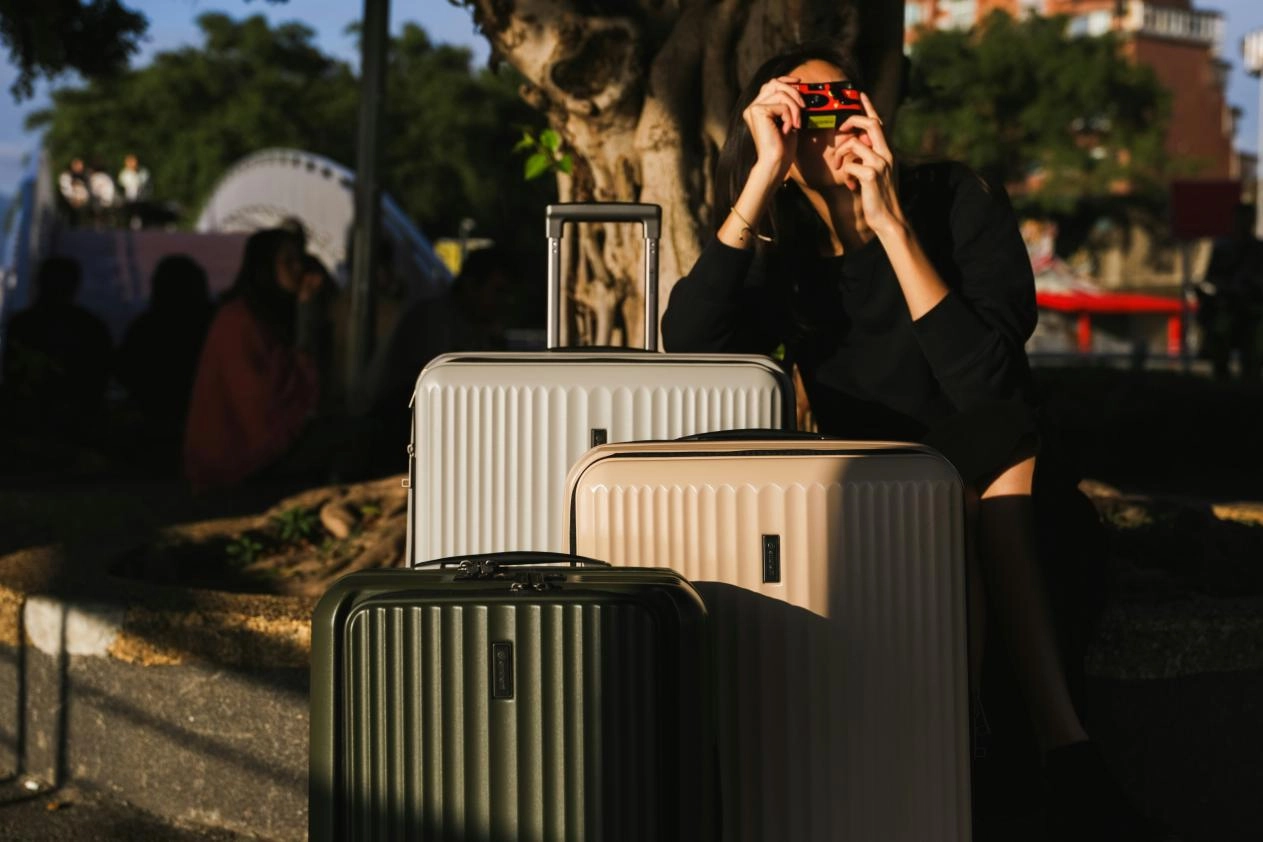 Frequent travel has changed how people judge a suitcase. A carry-on or checked case is no longer just a box with wheels. It must survive airport belts, crowded stations, overhead compartments, transfers, and lifting. That is why hardside luggage material has become a buying question.
Among today’s lightweight luggage options, ABS and polycarbonate appear often. ABS is known for value, low weight, clean molding, and color choices. Polycarbonate is linked with better flex and stronger impact behavior. The winner depends on travel frequency, budget, and the type of durable travel suitcase a buyer expects.
Why Material Choice Matters in Frequent Travel
A suitcase meets pressure from many directions. It is pulled by the handle, pushed across uneven floors, stacked under heavier bags, and sometimes dropped. For occasional travel, minor weaknesses may take years to appear. For frequent travel, problems show much faster.
A good hardside luggage material should balance weight, impact behavior, surface finish, and cost. Polycarbonate usually bends more before returning to shape. ABS is stiffer and price-friendly, so it is common in affordable hardshell bags and entry-level travel collections.
ABS Luggage: Strong Value for Everyday Travel
ABS is often the first serious step into hard-shell luggage. It offers a firm molded appearance, accepts colors well, and supports textured surfaces or logo work. For an ABS trolley set, the material helps keep the final product light and accessible while still giving buyers the hard case look they want.
Before calling ABS a basic choice, it is better to think about travel habits. Many people do not fly 30 times a year. They need a practical case for holidays, school breaks, business weekends, or short domestic trips. In these situations, ABS makes strong sense.
Where ABS Works Best
ABS works well when the goal is balanced price and daily usefulness. It can feel light in hand, which matters when travelers climb stairs, use public transport, or handle several bags at once. Its hard shell also keeps a cleaner shape than many fabric bags.
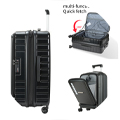
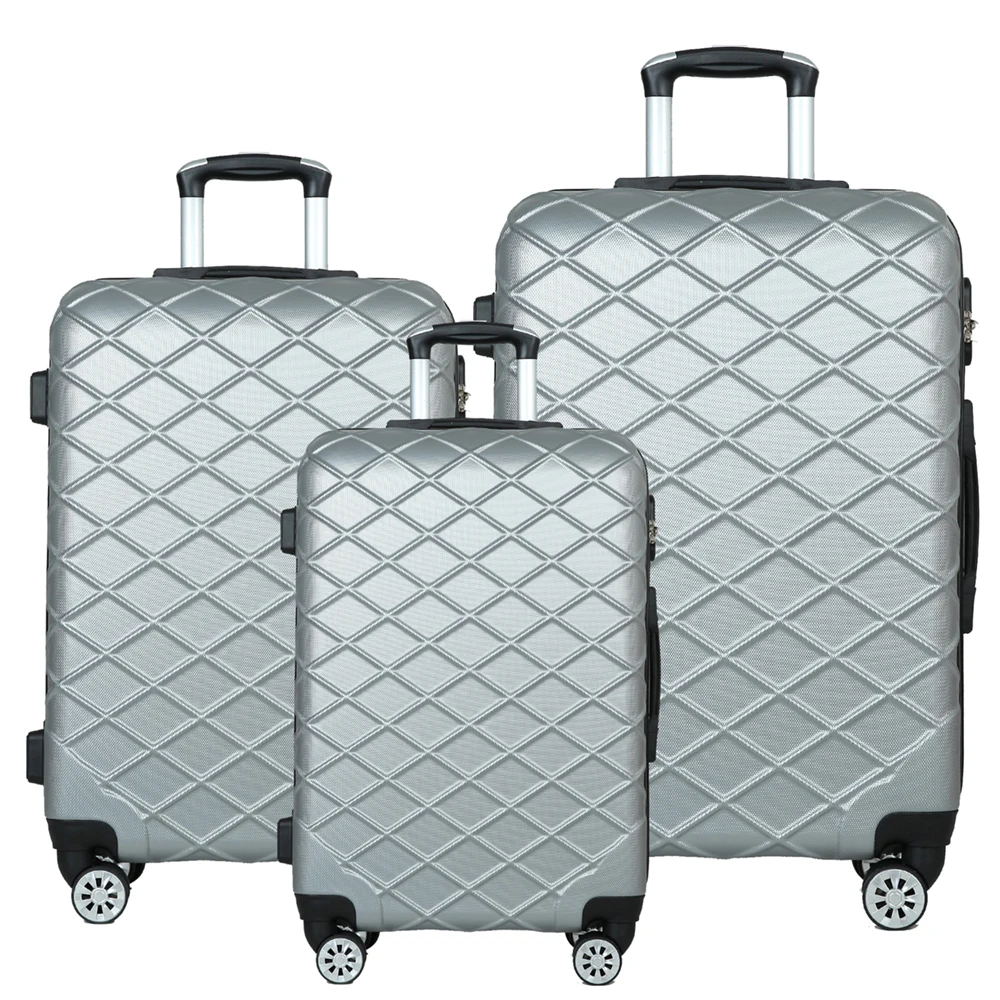
ABS is also useful for private-label and custom luggage projects. Pengteng’s JY-858 luggage model is an ABS trolley set with a makeup travel case. It supports custom colors, logos, packaging, and pattern design for orders from 100 sets. For brands building affordable hardshell bags, this format fits mid-market buyers who want a complete travel set.
Limits Buyers Should Notice
ABS is sturdy, but it is not the most flexible impact-resistant suitcase material. A hard hit on a corner or heavy checked-bag pressure may leave marks or cracks faster than polycarbonate. This does not make ABS a poor choice. It means the travel scenario matters.
ABS is better for short trips, cabin luggage, colorful suitcase sets, and lightweight luggage options for regular use. For rough long-haul travel, stronger corner design, better wheels, and careful production control become especially important.
Polycarbonate Luggage: Better Flex for Heavy Use
Polycarbonate is often selected when buyers want stronger impact resistance. Instead of staying very rigid, the shell can flex under force and then return closer to its original form. This behavior is one reason polycarbonate appears in many premium hardside suitcase lines.
Still, the material name alone does not make a suitcase excellent. A weak wheel, loose pull rod, poor zipper, or thin handle can reduce the value of even a good shell. Travelers and buyers should judge the full suitcase, not only the hardside luggage material printed on a product page.
Why Polycarbonate Performs Better Under Stress
A polycarbonate case usually handles sudden pressure better. If a suitcase is dropped, pressed, or hit, the shell has more room to absorb force. This matters for frequent flyers who check bags often or travel through busy airports where luggage moves through belts, carts, and stacked storage.
For buyers looking for an impact-resistant suitcase, polycarbonate has a clear edge. It suits international travel, long-haul checked luggage, premium retail lines, and fragile items. The trade-off is price. Polycarbonate luggage often costs more than ABS, and glossy finishes may still show scratches after repeated trips.
Why Polycarbonate Is Not Always the Best Choice
Polycarbonate wins many impact situations, but it is not always the smarter purchase. A student, a family buying 3 cases, or a holiday traveler may not need the extra cost. In those cases, affordable hardshell bags made from ABS may offer better value.
Retail positioning also matters. ABS suits high-volume, accessible ranges. Polycarbonate gives a stronger story for premium durability.
Which Material Wins by Travel Scenario?
The right choice depends on how often the suitcase travels, how it is handled, and what the buyer expects to pay. A simple “ABS is cheap” or “polycarbonate is best” answer is too narrow. Frequent travel includes cabin business trips, checked family holidays, international study, and regular short-haul flights.
Cabin Travel and Weekend Trips
ABS often wins here. Cabin luggage avoids the harshest checked-bag handling. It still needs to be light, easy to roll, and strong enough for clothing, electronics, and daily items. A well-made ABS trolley set gives travelers the hard-shell look without a high price.
For weekend travel, the best lightweight luggage options are often the ones people actually enjoy carrying. A light ABS case with quiet universal wheels, a security lock, and a neat interior can feel more useful than a heavier premium case.
Checked Bags and Long-Haul Travel
Polycarbonate has the advantage for checked luggage. Checked bags face drops, side pressure, stacking weight, and conveyor movement. Travelers who fly several times a month should consider paying more for better shell flex.
An impact-resistant suitcase matters most when the traveler cannot control how the bag is handled. Polycarbonate is better in this situation because it can take stress with less cracking risk than standard ABS.
Families and Budget-Focused Buyers
ABS is often the practical winner for families. Buying 2 or 3 suitcases at once changes the budget. Affordable hardshell bags allow buyers to build a full travel set without moving into premium pricing.
This is useful for distributors. A matching ABS trolley set with custom logo options and a makeup travel case can serve holiday travelers, young professionals, students, and gift buyers.
Details That Make a Suitcase Last Longer
Material is important, but a durable travel suitcase also depends on wheels, handles, locks, zippers, corner shape, interior layout, and production checks. Many luggage complaints start with noisy wheels, loose handles, weak locks, or poor lining, not only the shell.
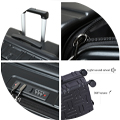
Pengteng’s ABS trolley product highlights silent universal wheels, a security lock design, lightweight carrying, and modern minimalist styling. These details matter because travelers judge a suitcase through movement. A case that rolls smoothly across tile, carpet, and outdoor pavement feels better every day.
For sourcing teams, supplier support also matters. Pengteng works with luggage production, design, customization, and delivery support, helping brands turn material choices into workable product plans.
Buying Advice for Brands and Travelers
Choose ABS when low weight, color variety, accessible price, and broad retail appeal matter most. It is a strong fit for affordable hardshell bags, cabin luggage, short trips, and branded travel sets.
Choose polycarbonate when impact resistance, longer service life, and premium positioning matter more than the lowest price. It is stronger for heavy flyers, checked luggage, and travelers who want a more protective impact-resistant suitcase.
Conclusion
ABS and polycarbonate both have a place in modern hard luggage. Polycarbonate wins for frequent checked travel because it offers better flex and stronger impact behavior. ABS wins when buyers need lightweight luggage options, attractive styling, and affordable hardshell bags for normal trips. For many brands, an ABS trolley set remains a smart entry point because it combines price control with useful travel features. The key is matching hardside luggage material to the traveler’s real journey. For custom ABS luggage, trolley sets, and branded travel solutions, Pengteng can support product selection, design, logo work, packaging, and bulk supply planning.
FAQs
Q: Is ABS luggage good for frequent travel?
A: Yes, for cabin trips and light checked use, an ABS trolley set is practical.
Q: Which hardside luggage material is more impact-resistant?
A: Polycarbonate usually offers better flex, making it the stronger impact-resistant suitcase material.
Q: Are affordable hardshell bags worth buying?
A: Yes, when the wheels, lock, handle, and shell match the travel purpose.
 consult
 WHATSAPP
 leave message
 top
top