



Engineering a Waterproof Suitcase: Key Considerations for Professionals
Engineering a Waterproof Suitcase: Key Considerations for Professionals

Professionals who often travel for field research, engineering tasks, or global business deals face tough environmental conditions. They deal with heavy rain, icy runways, or rough backcountry areas. These experts depend on reliable luggage. It must carry more than just clothing. It needs to transport vital equipment, electronic devices, and important papers. Sadly, regular suitcases usually fall short on features to handle such hardships. The rising need from these workers points to a clear gap for water-resistant suitcases. These should use better materials and solid building methods.
What Structural Elements Define a Waterproof Suitcase?
The outer shell serves as the main barrier against water getting in. Common choices for hard-shell bags include ABS, polycarbonate (PC), and polypropylene (PP) because they hold up well and push water away naturally. Among them, Polypropylene (PP) bags cost less and fit folks on a tight budget who still want a strong build. PP strikes a good mix of toughness against hits and bendability, all while keeping water at bay.
Moreover, the shell’s thickness and how precisely it’s shaped matter a lot. A sturdier PP or PC layer, formed with exact control in the molding process, resists bending out of shape, breaking, or edge mismatches. These issues could weaken water protection when facing force or shifts in temperature. So, careful design here ensures the suitcase stays solid over time.
Why Are Seam Construction Techniques So Critical?
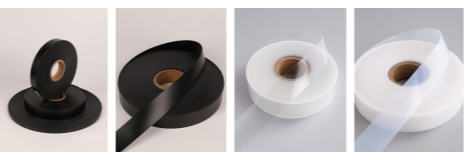
Edges where parts join rank as top spots for problems in any water-tight holder. Top-quality bags use sound-wave bonding or smooth forming to cut down risks. Sometimes, makers add extra inner strips over these joins to block high-pressure water from slipping through.
On the other hand, bags that depend only on sewing or weak glue bonds show poor defense against wetness. Even if the outer layer blocks water well, faulty edges can let moisture creep in slowly. Therefore, strong seam work is key to overall reliability.
Can Zipper Systems and Closures Be Fully Waterproof?
Zippers pose one of the trickiest parts to make fully waterproof. Good ones have a layer of polyurethane (PU) or thermoplastic polyurethane (TPU) over the teeth, plus tape that resists water behind them. Yet, the strongest setup involves dual-seal setups or other options like clip locks with rubber seals.
In tough designs, some skip zippers for sealed edges with squeeze latches. This cuts down weak spots a lot during strong downpours or short dips in water. As a result, these choices boost safety for gear inside.
Which Internal Design Features Enhance Water Protection?
Within the bag, dividing spaces adds another shield. Closed-off sections and pull-out dry pouches keep delicate items safe from wet clothes or outside leaks. This proves vital when mixing electronics with fabrics in one case. For super-sensitive stuff, such as computer storage or printed files, place them in special pouches with IP ratings. These hold up even if the main bag faces a short breach. Thus, smart inside layout prevents damage from spreading.
What Role Do Desiccants and Pressure Valves Play?
Extended trips bring quick shifts in height and dampness levels. Adding moisture absorbers in sections controls buildup from inside fogging. Certain premium bags include self-adjusting valves for air balance. They keep pressure even without breaking the seal. This tech comes from army-style gear. By using these, travelers avoid issues like warped contents from uneven air or extra humidity. Overall, they maintain a dry, stable environment no matter the journey’s demands.
What External Components Are Most Vulnerable to Water Ingress?
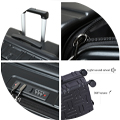
Wheel areas and pull-out grips often become paths for water entry. If fitted loosely or without care, gaps form around moving parts. These act like tiny channels pulling in dampness. Pro-level bags use sealed, extendable grips and wheel covers molded with paths to guide water off. Drainage features steer liquid away from the inside. Consequently, these designs keep the core dry during rough, wet use.
Are Drainage Systems and Surface Coatings Worth Considering?
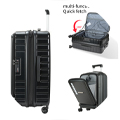
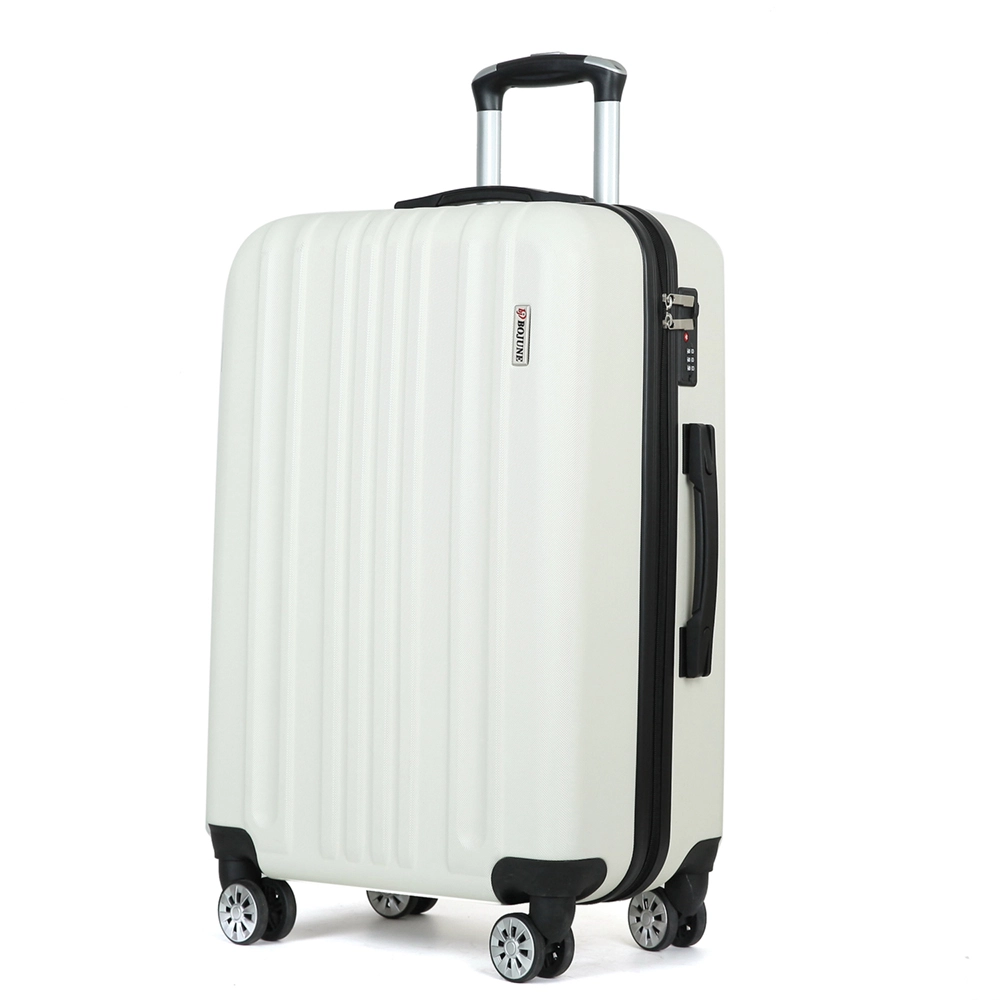
Channels for draining help push water from zippers and edges while the bag rolls over soaked ground. Such additions not only aid in water resistance but also ease cleaning after messy trips. In the end, they extend the bag’s life in harsh settings. Multiple size travel case, advanced PC material, built-in TSA lock, waterproof and scratch resistant, suitable for business and vacation travel
How Can You Retrofit Your Existing Suitcase for Better Water Resistance?
Before improving your current bag, check usual trouble areas like zipper lines, grip connections, wheel spots, and side joins. A basic test with a light spray shows leaks by spotting inside wetness after outside contact. For deeper checks, try dipping parts in water under safe setups to spot flows along edges or locks. This step helps pinpoint issues early.
What Aftermarket Solutions Can You Apply Effectively?
Fitting rubber zipper shields or snap-on cover flaps cuts down on water hitting the tracks directly. They work great for bags moved through airports or outdoor spots.
Can Seam Tapes or Liquid Sealants Improve Suitcase Performance?
Strong tapes for edges work well to strengthen sewn spots from within. For tricky shapes or outside use, pourable polyurethane liquids create a bendy barrier that sticks to plastics like ABS or PP. Applying these requires care, but they seal gaps effectively. Over time, they help maintain dryness even after repeated exposure to elements, making your older suitcase perform closer to new standards.
When Should Internal Dry Bags Be Used for High-Risk Items?
For gear like health tools, written notes, or data drives, use inner dry bags with IP65 ratings or better. This holds even in a partly sealed main bag. They contain spills if the outer shell fails or faces long wetness. In high-stakes scenarios, this extra step safeguards valuables completely. It ensures that critical items stay safe, regardless of outer conditions during travel.
What Maintenance Practices Preserve Waterproof Integrity?
After journeys with wet weather, look over all rubber seals, zipper paths, join lines, and air valves for signs of damage or dirt buildup. Top bags can develop small rips or tired seals from constant damp use. Regular checks catch problems early.
Which Cleaning Methods Protect Coatings and Seals?
Steer clear of rough soaps that harm water-push layers. Instead, mild soaps with soft cloths wipe away grime while keeping seal sticks and outer treatments intact. Gentle care like this prolongs effectiveness. It ensures the bag’s defenses against water remain strong trip after trip, without unnecessary wear.
Who Offers Professionally Engineered Waterproof Suitcases?
Through the years, Pengteng has kept studying and refining bag designs. Today, they use the latest steady approaches, turning their products into smart value picks. If you seek a maker blending useful style with tough build, Pengteng provides a range of travel bags made for hard spots.
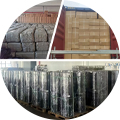
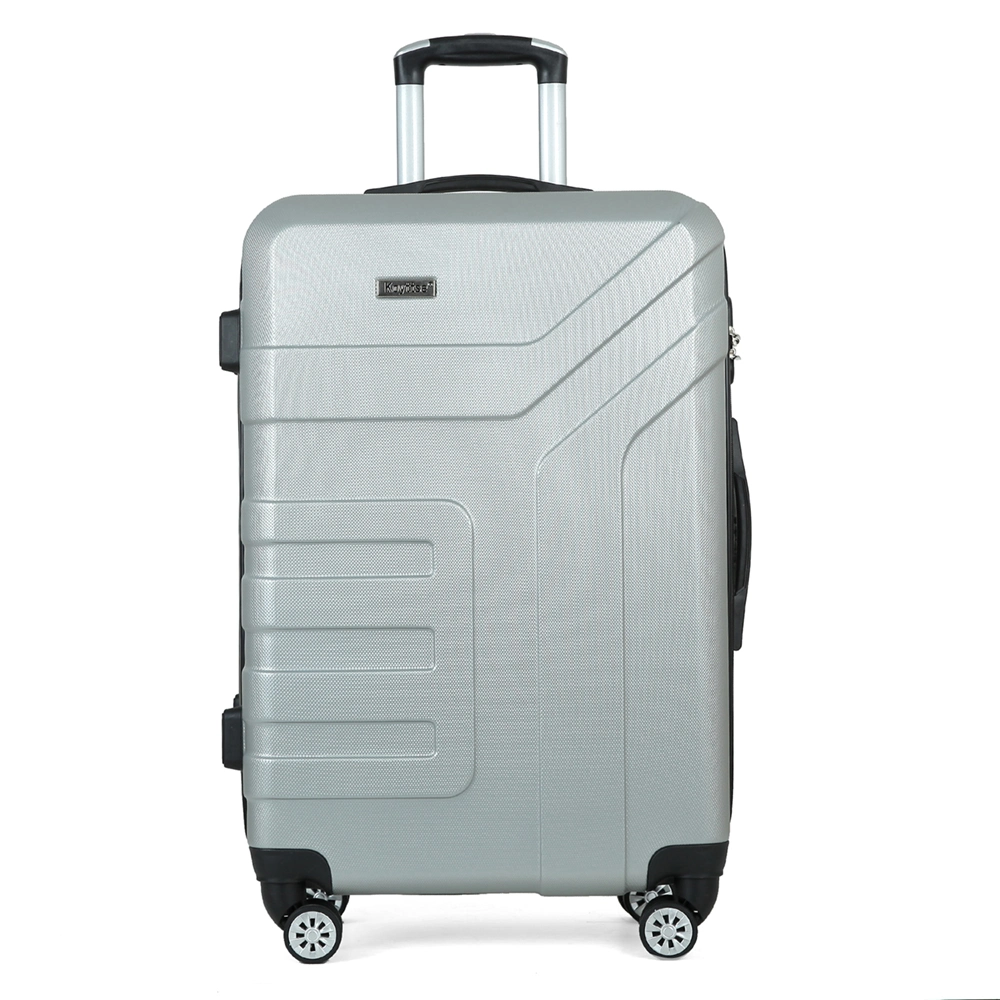
Their PP bag series fits water needs well, thanks to its toughness and water-repelling traits. Options include TSA locks, tailored outers with scratch-proof layers, and built-in dry sections. These cover various work demands. As a skilled bag maker with more than 20 years of experience in production, they handle OEM/ODM via a detailed custom path. This covers picking materials, sizing checks, logo spots, and test models before big runs. To check their water solutions firsthand, look at this 24 inch aluminum alloy luggage. It is very lightweight, resistant to marks, has quiet wheels, and has room to expand. Built for far-travel workers who need dependable gear without giving up ease.
Key Considerations for Engineering a Waterproof Suitcase
Creating a pro-level water-resistant bag calls for full-scope planning. Start with material picks like PP instead of ABS, exact edge bonding methods, paired-seal zippers or clip shuts, and inside dampness fixes such as absorbers. While add-on changes give short-term gains, they seldom equal the steadiness of bags made from the ground up.
Experts, depending on key tools, ought to opt for top-tier water bags suited for action over just home fixes. This investment pays off in protected trips and fewer worries about gear safety.
FAQ
Q1: Can a hard-shell suitcase truly be made 100% waterproof?
A1: While hard-shell suitcases can achieve high levels of water resistance through seamless construction and gasket-sealed closures, absolute waterproofing (submersion-proof) typically requires specialized manufacturing beyond standard consumer-grade luggage.
Q2: How often should I reapply aftermarket waterproofing treatments?
A2: Reapplication frequency depends on usage intensity; typically every 3–6 months if exposed regularly to rain or wet environments.
Q3: What makes Pengteng’s suitcases suitable for professional use?
A3: Their product lines incorporate high-strength PP shells, TSA locks, silent spinner wheels, and customizable features, offering practical solutions for professionals needing protection during travel.
 consult
 WHATSAPP
 leave message
 top
top