




Hard vs Soft Luggage: Why PC/ABS Suitcases Are Best
Hard vs Soft Luggage: Why PC/ABS Suitcases Are Best
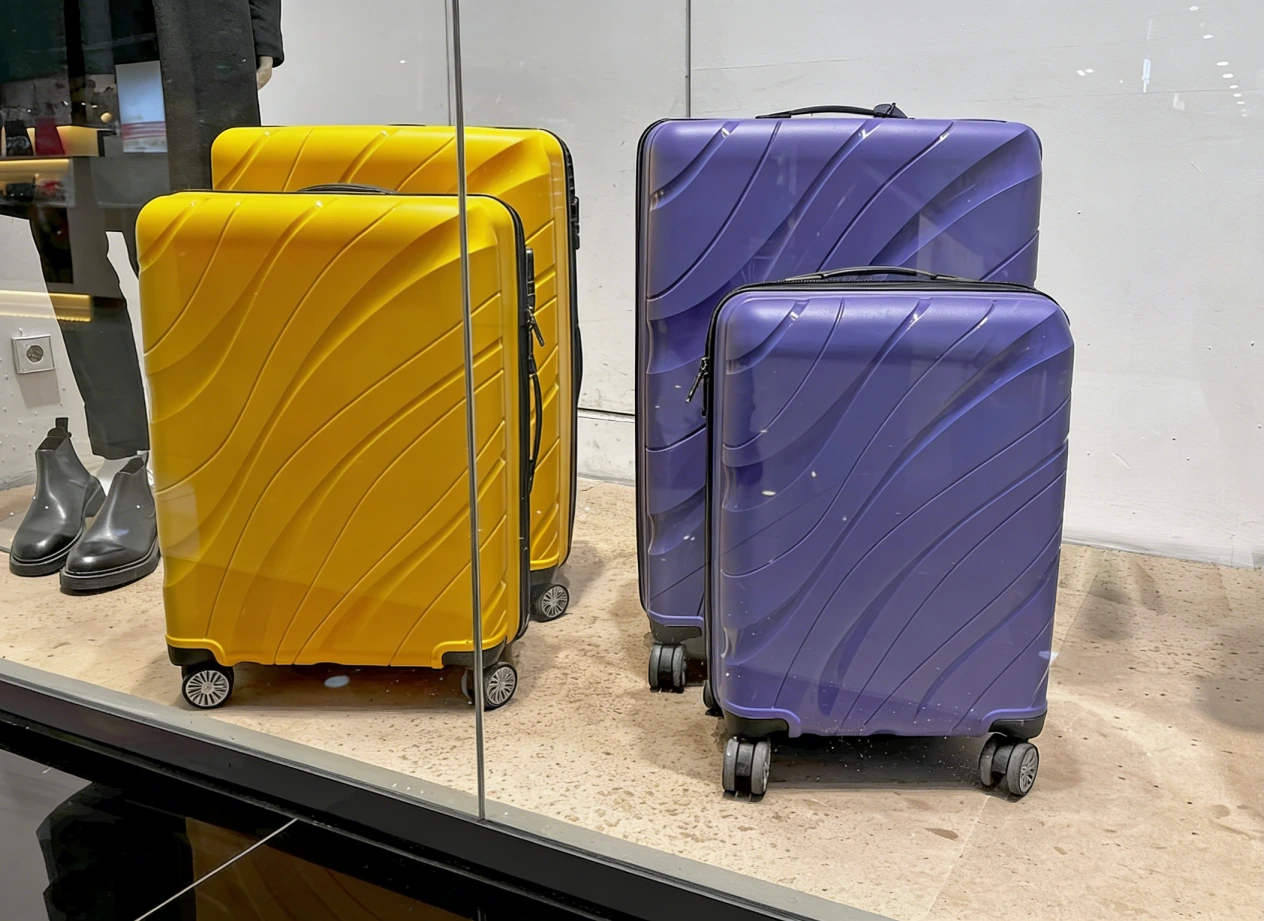
Air travel has hit peak levels in recent times. Airports seem busier than before. If you flew not long ago, you likely saw how roughly bags are handled at the baggage claim. Suitcases get thrown around, dropped from heights, and crammed into narrow storage areas. This tough situation raises a familiar issue for trip planners: do you pick a hard-sided or soft-sided case? Selecting proper travel equipment matters a lot. It involves safeguarding your important possessions and steering clear of bothersome expenses for new ones while away. In this article, we examine the hard versus soft discussion in detail. We also explain how current materials provide a clear edge.
The Great Debate: Hard vs Soft Materials in 2026
Deciding between these primary options can seem uncertain for many passengers. Folks often struggle with this choice before a major journey. Let us explore what each kind offers for your travels. This way, you can move past uncertainty and prepare your things securely.
What Makes Soft Bags Popular?
For many years, cloth cases dominated the luggage market. Most soft-sided luggage uses durable textile materials such as nylon or polyester. Travelers favor them due to their slight elasticity. The material yields a bit, so you can usually push the zipper closed even with added keepsakes. These bags also include useful external compartments. You can quickly reach items like your travel document or a novel. Yet, this bendability has a downside. Cloth soaks up moisture if exposed to a wet runway. Even worse, a flexible surface fails to shield breakable goods, such as computers or fragile containers, from solid blows. When a weighty crate falls onto your textile case, the contents bear the full force.
The Rise of Rigid Protection
In the past few years, preferences have changed. A well-made hard shell luggage item now ranks as the preferred pick for most global voyagers. The reason stays straightforward. A firm outer layer serves as a shield for your goods. You can store sensitive devices or purchased items without worry about rough treatment from loaders. Beyond safety, these cases clean up with ease. Just a simple pass removes grime and liquid marks. Earlier versions tended to weigh more and handle awkwardly. However, fresh production techniques have altered that entirely. Still, keep in mind that every plastic covering differs. The specific plastic type decides whether your case endures a decade or splits on the initial outing.
Finding the Best Luggage Material for Your Needs
Now that we see the basic differences, we need to look closer at the specific plastics used in modern factory manufacturing. Not all plastics offer the same performance. Picking the right one directly impacts how long your travel companion will survive rough airport handling and tight overhead storage bins.
When shopping, you will see three main plastics. Knowing them helps you get good value:
- ABS (Acrylonitrile Butadiene Styrene):This is the cheapest plastic used in the industry. It is very hard and rigid. Because it is extremely stiff, it does not bend well. If dropped, the rigid plastic might crack. It is budget-friendly but risky for frequent flyers.
- Polycarbonate (PC):This is a premium material used in bulletproof glass. PC is incredibly flexible. When it takes a heavy hit, it bends inward and pops right back out to its original shape. While it acts as the best luggage material for strength, it is very expensive, driving up retail prices.
- The Hybrid Blend:This brings us to the PC ABC By melting and mixing polycarbonate and ABS together, manufacturers create a shell that takes the best traits from both plastics.
Why the PC/ABS Blend Wins the Travel Game
Pure materials often force you to compromise between price and extreme durability. This is exactly where the composite approach changes the rules entirely. By mixing two different plastics, engineers created a hybrid material that gives frequent flyers the exact balance they need for stressful international flights and long road trips.
Strength Meets Essential Flexibility
An all-ABS case could shatter easily. A full PC case might empty your wallet. The PC ABC suitcase finds the ideal middle ground. The ABS element provides a firm, stable base that maintains structure. The PC element adds necessary pliability to the blend. As workers hurl your case, the mixed covering takes the abrupt jolt. Rather than breaking, it gives slightly to endure the force and then straightens out. Such smart blending yields a robust hard suitcase. It withstands prolonged wear without breaking down.
Keeping Weight and Costs Down
Carriers enforce tighter mass restrictions each year. Few enjoy the extra fee for exceeding limits at the desk. The PC/ABS mix weighs notably less than past plastic types or solid metal cases. This lets you allocate capacity to outfits rather than the container itself. Additionally, incorporating ABS reduces the expense of pure PC. Thus, the end item stays within reach financially. You receive advanced safeguarding minus the upscale cost. It proves a wise choice for households and work travelers both.
Picking the Right Travel Companion from Pengteng
Knowing the science behind the exterior shell is only half the battle. You also need a practical physical arrangement that matches your daily packing style and fits strict airline rules. Having a matching collection takes the stress out of packing for different types of trips, from quick weekend getaways to long family vacations.
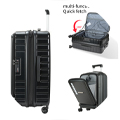
We highly recommend the PC/ABS suitcase set with universal wheels offered by Pengteng. This set solves multiple travel problems at once.
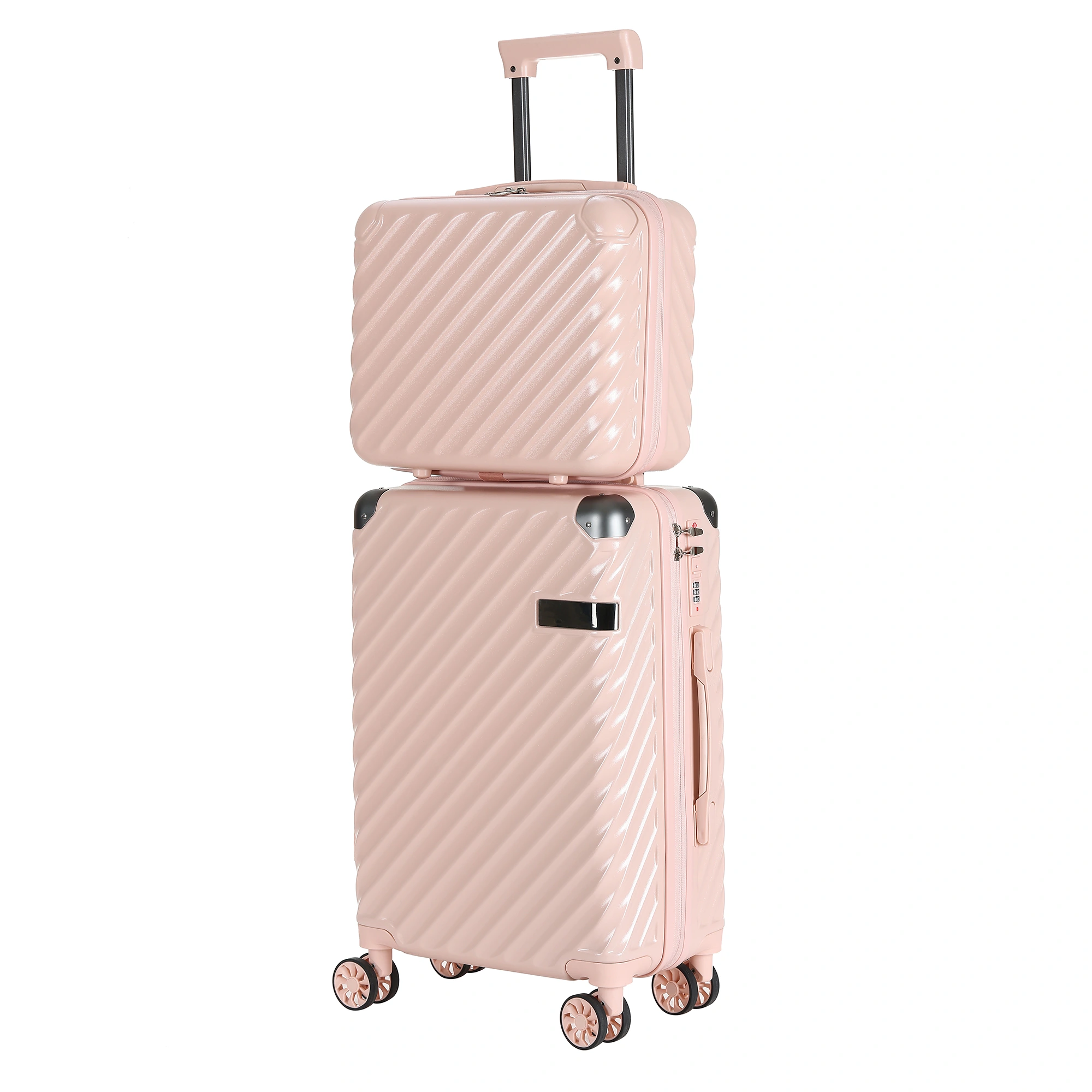
- Three Sizes for Any Trip:You get a 20-inch carry-on for short business trips, plus 24-inch and 28-inch checked bags for longer holidays. You never have to guess which bag to use again.
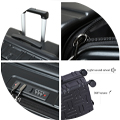
- Universal Spinner Wheels:Dragging a heavy bag on two fixed wheels hurts your arm. This set features 360-degree universal wheels that glide smoothly beside you, making a rush through a crowded terminal effortless.
- Smart Internal Design:The inside features cross straps and mesh dividers to keep your clothes organized and wrinkle-free during transit.
Your Next Steps for Better Travel
Finding a reliable factory direct brand saves you real money while delivering top quality. When you buy from a dedicated manufacturer instead of a middleman, you get better materials and direct support. We encourage you to look at our background and reach out if you have specific upcoming travel needs.
Pengteng is not just another random online seller. We are a dedicated bag manufacturer with deep industry knowledge and strong production lines. We work hard to provide luggage solutions that travelers can truly rely on. Need to upgrade your travel gear or make a bulk business order? Head over to our Contact Us page to speak directly with our team. We are always happy to answer your questions and help you find the perfect bag for your next adventure.
Conclusion
Browsing luggage selections need not be frustrating. The hard versus soft question persists, yet the current design offers definite solutions for seekers of optimal safeguarding. Cloth cases provide some expansion space. However, they cannot guard items as well as a solid exterior does. Opting for a PC/ABC suitcase sidesteps the fragility of low-cost options and the steep fees of elite ones. It emerges as the top luggage material for routine users. Such a case weighs little, looks neat, and endures well as a hard suitcase with smooth-rolling universal wheels. Prior to your following departure, consider updating your kit. Then, journey with the assurance you merit.
FAQs
Q: Is a PC/ABC suitcase better than pure polycarbonate?
A: It offers a smarter balance. It is much more affordable while still remaining a highly durable hard suitcase.
Q: Does soft sided luggage hold more clothes?
A: Not always. Fabric stretches, but a hard shell luggage set offers better internal compression systems for packing more.
Q: How do I pick the best luggage material?
A: Consider protection first. In the hard vs soft debate, PC/ABS blends usually perform best against rough airport handling.
 consult
 WHATSAPP
 leave message
 top
top