






How Luggage Accessories and Planar Material Shape Better Suitcases
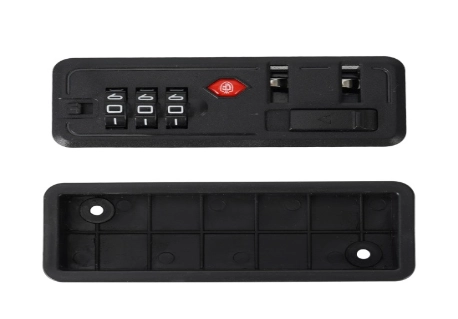
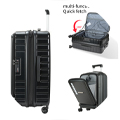
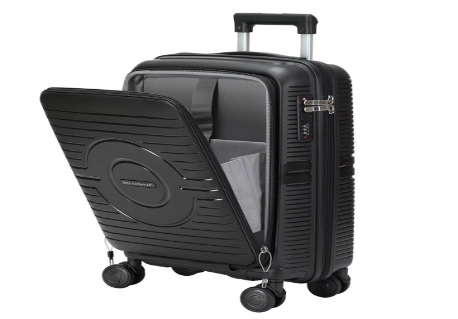
In 2026, luggage buyers look for more than just a pretty shell and a cheap price. They need a suitcase that glides easily. It must feel light to hold. It also needs to survive actual trips. Because of this, luggage accessories and planar material hold great value. Tiny components drive the overall user experience. Furthermore, material shape impacts the strength and weight of the bag. It also changes how a suitcase appears after multiple trips.
At Pengteng, we create luggage for customers seeking useful goods and straightforward options. You can visit our products page. We also have a service page, an OEM/ODM page, and a main homepage. Across these links, we assist brands and wholesalers. We help them pair the right material, luggage accessories, and sizes with actual market demands.
Why Luggage Accessories and Planar Material Matter More Now
Travel habits are quite different today. People often go on shorter trips. They check airline rules with extra care. They also purchase more bags on the internet. This trend places heavy pressure on every single suitcase. A solid product must perform three tasks well. First, it must move without effort. Second, it needs to withstand daily travel wear. Third, it should remain clean after frequent use. When a single piece breaks down, the entire product seems fragile.
Small details now shape buying decisions
A regular traveler might not discuss planar material or wheel design. However, they notice the quality difference right away. A wobbly handle can ruin a trip. Loud wheels or a flimsy lock will also turn a beautiful suitcase into a bad experience. This issue is highly important for brands. Minor parts directly impact customer reviews. They also influence product returns and future orders.
Material choice affects more than looks
The selected material alters the entire product story. Certain buyers prefer a soft and flexible case. Other people desire a hard shell that keeps its form better. Many shoppers look for scratch proof luggage. They want bags that stay neat after rough airport handling. Meanwhile, some travelers seek a lighter choice for their carry-on trips. Because of these varied needs, fabric luggage, ABS luggage, PC+ABS luggage, PP luggage, and PVC luggage remain highly relevant in today’s market.
How Luggage Accessories Change the Whole Travel Experience
Luggage accessories are never just extra add-ons. They represent the exact parts that travelers touch and roll. Users lift, lock, and rely on these items every single day. A suitcase might feature a very tough body. Yet, if the accessories seem cheap, the item drops in value quickly. This fact holds true for everyday retail shoppers. It becomes even more critical for B2B buyers. These business clients require highly stable product quality.
Wheels matter more than many buyers expect
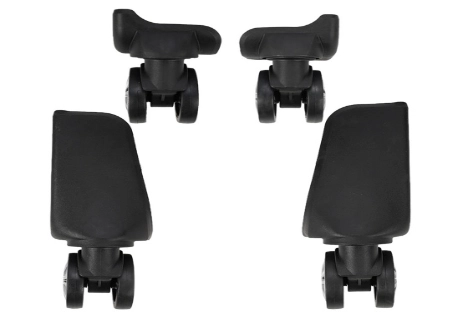
The wheels carry the entire load. They also determine how heavy a suitcase feels during a walk. Smooth spinner wheels assist travelers greatly. They help people glide through airports and hotels. Users can navigate train stations and busy city streets with minimal effort. On the other hand, bad wheels will make a very light suitcase feel incredibly difficult to manage.
A good wheel system should:
- roll smoothly on hard floors
- stay stable under weight
- make less noise
- resist wear after repeated trips
- match the suitcase size
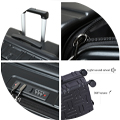
Handles and pull rods affect comfort
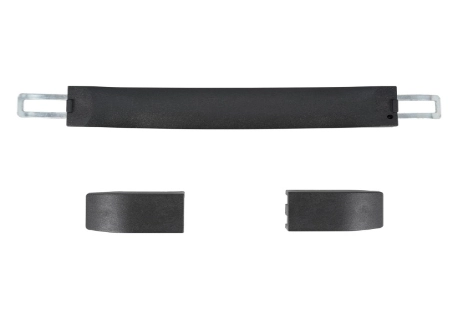
A handle is the first part many travelers grab. If it feels loose or uncomfortable, the suitcase already loses trust. Pull rods matter too. They should rise and lock cleanly, without shaking too much. That is especially important for larger cases.
For a 28 inches bag, weak handles and pull rods can become a real problem. The larger the bag, the more important the hardware becomes.
Locks and small parts support daily use
A good lock helps travelers feel safe. Corner parts, zippers, and internal fittings also shape the overall result. Buyers often think about shell material first, but the suitcase becomes useful or frustrating through these small details. That is why luggage accessories deserve a dedicated place in product planning.
What Planar Material Means in Real Luggage Production
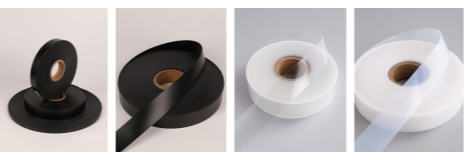
Planar material is a practical way to talk about flat sheet or panel-like materials used in suitcase construction. These materials affect the shell shape, surface finish, weight, and durability. In simple terms, they help decide whether a suitcase feels soft, firm, light, or rigid.
This is where material planning becomes more than a product choice. It becomes a market decision. Some buyers want the lightest product possible. Some want a more polished surface. Some want a bag that keeps its shape under pressure. The right planar material depends on all of that.
Fabric luggage
Fabric luggage is flexible, practical, and easy to pack. It often works well for travelers who like outside pockets, expansion space, and a softer feel. It can be a strong choice for short trips, business travel, and suitcase set fabric lines.
Fabric luggage also sells well in 20 24 28 inch luggage sets because the sizes feel familiar and easy to understand. For brands, that makes it useful in both retail and wholesale channels.
ABS luggage
ABS luggage is often chosen for value-focused collections. It gives a neat shell shape and works well in colorful product lines. When the surface has a textured finish, it can look more scratch proof and hide small marks better after travel.
ABS is often a good fit for:
- entry-level luggage
- three-piece sets
- promotional collections
- price-sensitive markets
PC+ABS luggage
PC+ABS luggage sits in the middle of the market. It offers a balanced look and a more premium feel than basic ABS in many cases. For brands, this material is useful when they want a suitcase that looks modern without moving too far up in cost.
It is also a smart choice for scratch proof luggage products because the right finish can help the case keep its clean look for longer.
PP luggage
PP luggage is popular because it is light and flexible. It can handle repeated travel well, and many buyers like it for its practical balance of weight and strength. For checked travel, PP can be a very good option when the brand wants durability without a heavy shell.
PVC luggage
PVC luggage works well when easy cleaning and simple travel value matter most. It can be useful for buyers who want a practical product that is easy to explain and sell. In some markets, PVC luggage also supports water resistance and everyday wear.
How Size and Weight Fit the Material Choice
Material always works together with size. A carry-on case does not face the same pressure as a large checked bag. That is why trolley bag sizes matter so much in planning. A suitcase that is too heavy or too large can create a bad experience before the traveler even leaves home.
When buyers ask how are suitcases measured, the key answer is simple: measure the full outer size, including wheels and handles. Airlines care about the full shape, not only the body shell.
What size is a carry-on suitcase?
A carry-on suitcase is usually around 20 to 22 inches, but rules vary by airline. The best carry-on options should be light, easy to roll, and simple to lift into overhead storage. Fabric luggage and lighter hard shell options often work well here.
24 inch suitcase weight and 24 inch maleta size
A 24 inch suitcase weight often lands around 3.5 to 4.5 kg, depending on the material and hardware. The 24 inch maleta size is usually a medium checked bag for five to seven days of travel. It gives more packing room than a carry-on, but it is still manageable for most travelers.
28 inches bag and larger travel needs
A 28 inches bag is usually a large checked suitcase. It works well for long trips, family travel, and customers who need more storage. For this size, the wheel system, handle, and shell structure need to be stronger. A large suitcase with weak accessories will not perform well in real travel.
20 24 28 inch luggage still sells well
A 20 24 28 inch luggage set stays popular because it covers different trip lengths in one product family. It gives buyers a simple choice structure. It also helps brands build a cleaner collection. A suitcase set fabric line is especially useful here because it feels flexible and familiar across all three sizes.
How Pengteng Helps Buyers Build Better Suitcases
At Pengteng, we work with brands and wholesalers that need more than a product photo. They need a suitcase line that makes sense in the market. We support fabric luggage, ABS luggage, PC+ABS luggage, PP luggage, PVC luggage, and luggage accessories through our products page and service page.
We help buyers with:
- material selection
- size planning
- accessory matching
- sample development
- OEM/ODM support
If a buyer wants a product that feels practical, clean, and ready for market, the combination of planar material and good accessories makes a big difference. That is where Pengteng focuses its work.
Conclusion
Better suitcases are built from more than a shell. Luggage accessories shape how the suitcase feels every day. Planar material shapes how the suitcase performs over time. Together, they decide whether the product feels light, durable, easy to use, and worth buying again. For travel brands, that means the choice is not only about fabric luggage, ABS luggage, PC+ABS luggage, PP luggage, or PVC luggage. It is also about how the parts and structure work together. At Pengteng, we help buyers turn those choices into stronger products with clearer market value and better travel performance.
FAQs
Q: Why do luggage accessories and planar material matter?
A: They decide durability, comfort, and daily travel performance.
Q: What is the average 24 inch suitcase weight?
A: Usually around 3.5-4.5 kg.
Q: How large is a 28 inches bag?
A: About 80-100 L, depending on the design.
 consult
 WHATSAPP
 leave message
 top
top