




How Shockproof Travel Case Padding Enhances Equipment Protection
How Shockproof Travel Case Padding Enhances Equipment Protection

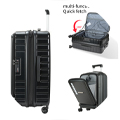
Whether you are moving delicate precision instruments or fragile sensitive electronics, or even pricey high-value optics, a smartly built shockproof travel case takes on a key job in making sure your gear gets there without a scratch. And these cases get put together with great care so they can handle rough treatment and bumpy rides on the way—whether that means flying through the air, rolling over land, or sailing across the sea. Right at the heart of why they work so well sits that one vital part: the inside padding setup that keeps everything safe.
Now, shockproof padding goes way beyond just some basic stuffing; instead, it forms a lively framework that’s carefully built to soak up hard hits, push back against shakes and rattles, and keep things from sliding around inside too much. And for folks in areas like snapping photos, building machines, or handling medical supplies on the move, how dependable their tools are hinges a lot on whether the case can cancel out those tough physical pressures that come up while hauling stuff from place to place.
What Materials Make the Best Shock-Absorbing Padding?
How well a shockproof travel case holds up mostly comes down to what goes into the stuffing on the inside. Materials like high-density closed-cell foams, including EVA (ethylene-vinyl acetate), EPE (expanded polyethylene), and PU (polyurethane), stand as go-to choices in the business because they handle spreading out energy in a really effective way. Plus, these foams get made so they spring back fast once squished, which lets them keep guarding your stuff even after getting knocked around over and over again. That quick recovery means less chance of damage building up from constant use. What you pick for materials also plays into how heavy the case feels compared to how strong it is overall. This thoughtful balance helps users stay mobile without sacrificing safety for their valuables.
How Does Custom-Fit Interior Padding Prevent Internal Damage?
One big reason gear gets banged up on the road is because items bounce and slide around inside the case during the trip. But to fight back against that, today’s shockproof cases come with inside spaces shaped just right, complete with foam pieces cut to fit each tool’s size down to the last detail. If you’re someone who hauls around changeable sets of tools or a mix of different gadgets, you’ll find that certain cases provide padding that you can tweak and rearrange as needed. They include foam chunks with holes punched in or shapes cut out, so you can shift them to match whatever setup you’re using that day. And this kind of handy adjustability makes certain that, no matter how your list of gear shifts around, the case keeps doing its job well by keeping those inner pushes and pulls to a minimum. In the end, it gives you peace of mind knowing your setup can evolve without leaving your items exposed to extra risks.
What Are the Advantages of Multi-Layered Padding Structures?
A thoughtfully put-together shockproof case skips using only one kind of material throughout and opts for a stepped setup instead, where every level takes on its own clear task in the protection process. Most often, the padding on the very outside uses a tougher foam that’s set up to take the full force of quick hits, think something like a drop from a height or a crash into something solid. Right below that sits a layer of average-thick foam that spreads out the jolt over a larger spot to soften it further. Then, deep inside, you have gentler foams that bounce back easily and softly pad the sensitive bits against whatever force makes it through the outer defenses. Together, these parts create a chain reaction that lessens the blow step by step. What this stacked design does is change the whole inside area into a smart system for scattering energy, far better than a plain old cushioned box that just sits there.
Why Is Vibration Dampening Essential for Delicate Equipment?
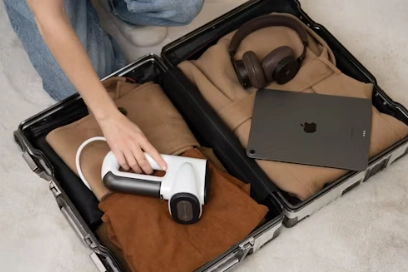
Sure, those sharp jolts catch your eye right away as dangers, but the steady hum of vibrations that build up during a journey—like the rumble from jet engines up high or the jarring from uneven paths below—carry a quiet yet major hazard that sneaks up on you. Lately, padding materials get crafted with an eye not only toward standing up to direct hits but also toward blocking out those ongoing shakes completely. And foams that have open spaces inside or special stretchy traits that absorb and hold onto energy prove especially good at filling that need.
How Do You Ensure Long-Term Performance from Shockproof Padding?
Among the features that often get skipped over but really drive top-level padding, the way it fights off warping and squishing as years pass stands out as key. Builders pick high-resilience foams on purpose because they have that knack for snapping back to their starting form once the heavy squeeze or a string of bangs lets up. And this kind of built-in recall keeps the shielding steady through tons of trips and all sorts of weight shifts that come with different loads. It means you don’t have to worry about the protection fading just because you’ve used it a bunch of times already.
When you’re talking about cases that get stuffed full of weighty items day after day or crammed tight into tight spots like luggage bays or ship holds for long stretches, holding up over time jumps to the top of the list. If the padding can’t bounce back, then no matter how ironclad the outside feels, the whole thing falls apart inside where it counts, since a squished lining lets forces through that shouldn’t get past. To avoid that pitfall, choosing materials that stay springy under constant wear ensures your case keeps delivering reliable safety trip after trip, saving you from having to replace it too soon and keeping your workflow smooth.
What Should You Consider Beyond Padding When Choosing a Shockproof Travel Case?
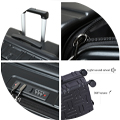
Just having good padding won’t cut it to keep your stuff safe unless it teams up nicely with a sturdy outside layer that can take the hits first. The way a tough shell—say, one made from ABS+PC composite materials—works hand in hand with the strong foam inside sets the tone for how much shock the whole case can handle overall. Picking parts that go together well makes sure the pushes from outside get handled smoothly all the way through to the center. This combined effort turns the case into a complete fortress, where every element supports the others to block out threats effectively.
On top of that, thinking about how the weight stacks up against the level of safety it provides ranks as another big piece of the puzzle. These days, newer ways to make light foam are coming out that soak up bumps great without piling on extra pounds—a smart move for trips by plane, where every ounce over the limit can mean fees or hassles. It lets you pack more without going over, all while keeping things protected. And don’t forget to check how it stands up to wet conditions or harsh chemicals either. Closed-cell foams do double duty by keeping water out and stopping mold from growing or rust from starting—things that matter a ton in factory settings or rough outdoor spots where you can’t always avoid getting splashed or exposed. Weighing all these sides helps you land on a case that’s ready for whatever comes its way, both now and later.
Looking for Custom-Built Shockproof Cases from an Expert?
If your line of work calls for something better than what you find on store shelves, linking up with a pro maker turns into a real game-changer that you can’t do without. Backed by more than twenty years of hands-on know-how in crafting and putting out tough luggage options, Pengteng puts out specially designed shockproof travel cases that fit the bill for what pros need in all sorts of fields. What they bring to the table mixes top-notch tech for shaping foam, setups inside that you can change around, and hard-wearing outside materials to lock in total coverage against damage. From start to finish, their process focuses on building exactly what you need, drawing from deep experience to avoid common pitfalls and deliver results that last. No matter if you need something small to carry on board or bigger boxes for hauling lots of gear, such as their 24 inch aluminum alloy luggage, the lineup they offer has flexible picks that work for office runs or on-site jobs alike.
FAQ
Q1: What type of foam is most effective for shock absorption in travel cases?
A1: High-density closed-cell foams like EVA or PE are commonly used due to their excellent impact resistance, lightweight properties, and long-term durability.
Q2: Can I customize the interior padding layout for my specific equipment?
A2: Yes, many manufacturers offer customizable foam inserts that can be tailored precisely to fit your gear dimensions for maximum protection.
Q3: How does vibration damping differ from impact resistance?
A3: Vibration damping addresses continuous low-level motion that can degrade sensitive components over time, while impact resistance focuses on absorbing sudden shocks from drops or collisions.
 consult
 WHATSAPP
 leave message
 top
top