





Luggage Categories for B2B Buyers: Size, Materials, and Factory Details That Matter
In the last few years, questions from buyers of travel luggage have become more detailed and specific. In addition to the color or shape of a suitcase, potential buyers today are interested in many details such as airline restrictions, empty weight, solid wheels, replaceable parts and above all the durability of a luggage item over many journeys. For importers, wholesalers and online sellers, these details are very important for their purchasing and also for the planning of products that can be easily promoted on sales web sites. We at Pengteng support these buyers with clear categories of travel luggage and a stable production.
Why Luggage Categories Are Changing in 2026
Influence from stricter baggage checks, higher air travel costs and online comparison is placing pressure on the luggage market. People want a case that fits their journey and travel budget. Online sellers want fewer claims, clearer product descriptions and more repeat business from customers. As a result, categories should reflect how luggage is actually used not just by its inch size.
Carry-On Luggage and Airline Size Pressure
A frequent question from travelers is what is the size of a carry-on suitcase. Most markets define a carry-on to be approximately 20 inches in size. However, airlines include the size of the wheels and handles in their measurement of total size of suitcase. Therefore, listings for suitcases should help shoppers know how to measure a suitcase for outside size i.e. height x width x depth plus size of wheels, side handles, etc. raised corners, etc. This will assist in avoiding problems checking at the gate.
Checked Luggage and Longer Trip Demand
Trolley bags can hold more than hand luggage, but will experience more rough handling. A medium trolley bag is perfect for business travel, family holidays and 7 day trips. Larger checked bags are ideal for longer periods of time away, but need to weigh up capacity against weight. When a retailer only sells ‘large’ it’s hard for the buyer to get the exact details. Clearing out liters, kilograms and external dimensions on a product page makes for a more convincing sales pitch.
Main Luggage Types and Their Buyer Value
Different types of luggage should be offered through different retail channels in order to meet the different needs of customers. A balanced product line could consist of ABS-luggage for low price, PC-ABS-luggage for flexibility, softside luggage made of fabric for casual travelers, PP-luggage for low weight, and spare parts for service.
Hard Shell Luggage for Clean Display and Strong Shelf Appeal
Hard shell luggage remains popular. It presents a neat look online, protects contents effectively, and supports many surface designs. ABS serves entry and mid-price ranges. PC ABS provides a balanced option for buyers who want added strength without extra weight. Pengteng supplies various hard shell choices through our luggage products. This support helps buyers develop collections by size, material, and target price.
Softside and Fabric Luggage for Flexible Packing
Softside luggage has much to offer in various markets. In many instances, softside luggage is lighter than hard sided luggage and very flexible when it comes to packing for short trips. In addition to main compartments, front pockets, etc., many softside luggage items feature expandable sections and unique textured fabrics, often designed for students, business travelers and others who need instant access to articles such as clothing, or even documents. From a B2B buying perspective, softside luggage is evaluated on the strength of the fabrics and stitching, the quality of zippers, interior lining and carton packaging.
Size Planning: 24 Inch, 28 Inch, and 32 Inch Luggage
Useful traffic to a luggage website’s comes from people searching for size information. People search for information on your website because they are uncertain and uncertainty prevents purchases. Even after being convinced about the style of a luggage item, a buyer can be uncertain about airline rules, the empty weight, required storage space and how a full suitcase will be to move about with.
24 Inch Suitcase Weight and Medium Travel Use
A 24 inch suitcase is generally considered to be of medium size for checked luggage. Typical weights for such a suitcase are around 3.5-4.5 kg and typical capacity is around 60-70 L. The dimensions of the suitcase, including the depth of the shell, the size of the wheels, the shape of the handle, the thickness of the lining and the type of lock used, all affect these figures. For medium length trips it is best to consider this type of luggage to be checked rather than hand luggage.
28 Inch vs 32 Inch Luggage for Large Capacity Buyers
The search term 28 inch vs 32 inch luggage typically conveys risk to us. A 28 inch suitcase is big enough for most long holidays yet easy to carry. A 32 inch suitcase has more volume but when packed to capacity can become a weight problem for luggage, putting excessive strain on wheels, corner guards, handles and pull rods. For many online retailers the 28 inch size acts as their safer main large SKU.
Luggage Accessories and Repair Questions That Drive Trust
Minor details? Our accessories form parts that you can touch every day and that our support team can hear about after a sales. Parts like the wheels, pull rods, handles, locks & zippers as well as the corner guards and the lining of our trolleys determine the feel of a product as well as the easy repair of a part or the more expensive repair of the same article.
Loose Handles, Wobbly Pull Rods, and Real Support Needs
Loose luggage handles can be the result of loose screws, cracks in the handle base, bent tubes or a bad fit of the parts. For that reason, many customers search for the solution on how to fix a wobbly suitcase handle. Helpful information first describes the normal checks. After that it can be explained when it is better to replace the handle than to repair it. For B2B customers it is also important to have spare parts for handles, pull rods, wheels and locks in order to avoid claims and to protect customer relationships.
Factory Checks Before Bulk Orders
For a custom luggage manufacturer, quality appears through repeated checks. Buyers should examine sample timing, MOQ, logo methods, shell material, wheel rolling, trolley pull force, zipper travel, lock operation, carton strength, and production consistency. Our OEM and ODM service supports custom work, sample follow-up, packaging, inspection, and wholesale cooperation for buyers who require a reliable supply chain.
Building a Product Line With Pengteng
A practical luggage collection should remain consistent from the first product page to the final delivery carton. The size ladder should read easily. Materials should align with price bands. Accessories should match expected use. Packaging should guard the product before it reaches the warehouse. When these elements combine well, the seller faces fewer explanations and solves fewer problems later.
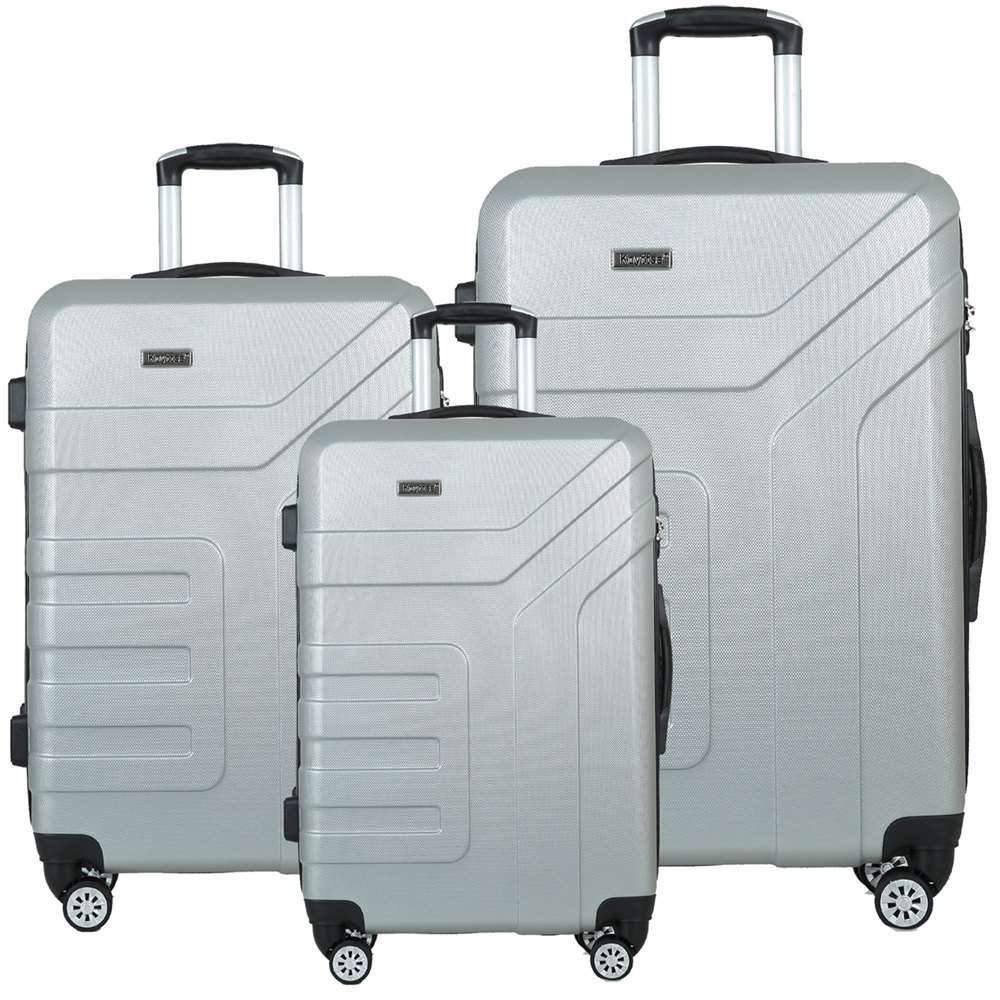
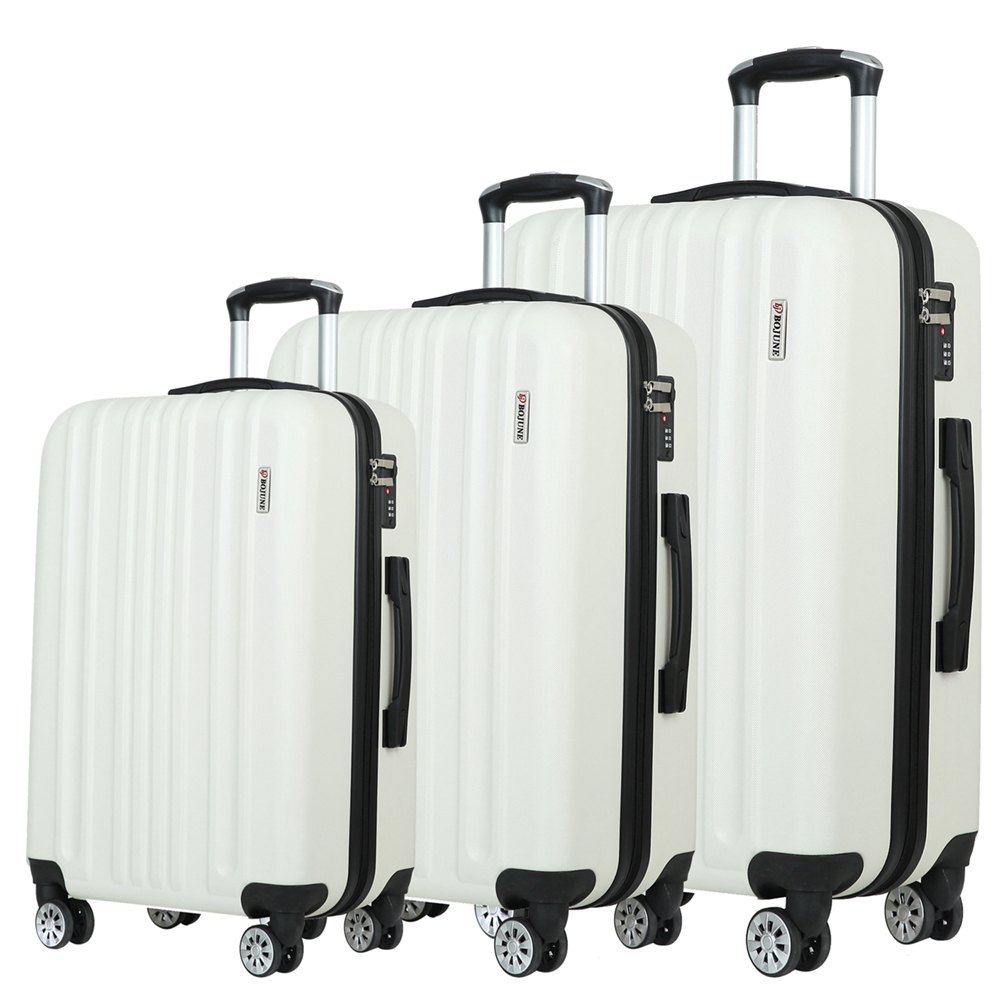
Pengteng can assist buyers with coordinated sets such as our 20 24 28 inch luggage set, along with custom logo trolley suitcase sets for private label luggage and wholesale programs.
Use complete external dimensions when discussing standard luggage size for airlines.
Show capacity in liters and empty weight in kilograms beside each inch size.
Separate carry-on, medium checked, and large checked luggage in category pages.
Describe key luggage accessories, including wheels, handles, locks, pull rods, and zippers.
Ask the factory about samples, MOQ, inspection steps, packaging, and repeat-order stability.
Conclusion
Luggage categories continue to grow more practical and more data-driven. Buyers still value style. They also require clear size rules, actual capacity, empty weight, strong accessories, and dependable factory support. A 20 inch case serves carry-on travel. A 24 inch case fits medium checked use. A 28 size suitcase covers many long trips. A 32 inch case needs careful weight guidance. At Pengteng, we link luggage design, materials, accessories, customization, inspection, and wholesale supply. This connection allows buyers to develop product lines that sell more easily and earn greater trust.
FAQs
Q: What is a common 24 inch suitcase weight?
A: About 3.5-4.5 kg, with roughly 60-70 L capacity.
Q: Can I hand carry 24 inch luggage?
A: Usually no. It is generally checked luggage.
Q: What capacity is common for a 28 size suitcase?
A: Often 90-110 L, depending on shell depth and expansion.
 consult
 WHATSAPP
 leave message
 top