




Luggage Performance on Uneven Terrain: Spinner vs. Two-Wheel Designs
Luggage Performance on Uneven Terrain: Spinner vs. Two-Wheel Designs

Travelers wandering the delightful lanes of Prague, the stone-paved paths of Florence, or the dirt-packed routes of hillside hamlets soon discover that every type of suitcase isn’t the same. The steady bumps from irregular stones and the pull over sloped routes put heavy pressure on suitcases with wheels. Picking the right wheel setup can separate an easy trip from a tiring struggle.
Two main styles lead the suitcase industry: spinner (four-wheel, all-around moving) and two-wheel (straight-line skate-like). Both work well in certain spots. Yet, their results differ greatly when facing tough ground, and this piece gives a detailed mechanical review that compares these two kinds of suitcases in actual travel settings, which aims to guide users and business experts in making smart choices.
Pengteng: Dependable Ally for Strong Luggage Options
For making suitcases that last through tough use, Pengteng has earned a solid name in quality. With more than 20 years focused on building, Pengteng supplies a wide range of stuff like PC+ABS, ABS, PP, PVC, and cloth, and they back this with strict checks on standards.
They are a professional luggage manufacturer with over 20 years of production experience, specializing in ABS PP、Oxford cloth, PVC、Production, design, sales, and development of luggage accessories such as travel cases. Their drive for fresh ideas shows in tailored ODM/OEM work, flexible wheel choices, and tough build plans against hits. No matter if you need sturdy sets for work trips or bags ready for outdoor fun, Pengteng’s lineup brings accuracy and trust.
What Are the Core Mechanical Differences Between Spinner and Two-Wheel Luggage?
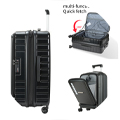
Spinner wheels turn a full 360 degrees, which lets them slide smoothly sideways and spin quickly in narrow spots. They suit smooth airport tiles or fancy hotel halls best, but this full-turn feature turns into a problem on rough spots. The tiny outer wheels catch on gaps or pebbles without trouble.
On the other hand, two-wheel designs have bigger, set-back wheels on a steady line. The person tips the bag to roll it. Such a move cuts down on wheel contact and gives firmer hold plus better straight-line travel over bumpy land. Thus, this style stays steadier when pulling in a set direction on uneven areas.
How Is Load Stress Distributed Across the Frame?
The four-wheel spinner setup puts wheels at every edge with little tie-in to the main body. As a result, it offers less extra support for the bag during bumps. Two-wheel suitcases fit their wheels further into the structure, and they secure them well for even weight spread and lower twisting force while moving. Therefore, two-wheel bags hold up better when crossing uncertain routes.
How Do These Designs Perform on Rough Terrain?
Stone-paved roads send sudden up-and-down jolts with each step. Spinner wheels, being smaller and sticking out from the bottom, tend to break or come loose under ongoing hits. Two-wheel versions use larger wheels, often with rubber covering, that take in the jolts via their size and built-in axle. Moreover, pairing this with materials like PC+ABS boosts their ability to handle pressure. This material stands out for its great resistance to shocks and keeping shape under constant force.
How Does Wheel Design Affect Drag and Control on Uneven Ground?
Spinners run into big troubles: wheels going off-track and poor grip on bumpy stones. Since every wheel turns on its own, pushback from lumps can make them spin in varied ways. Consequently, the traveler must fix the path often.
Two-wheel setups keep things in line thanks to their fixed-line design. When people lean them ahead to tug, the forward push helps them roll over hard spots with fewer twists. This steady path also cuts down on lost effort and damage to parts over time.
What Happens to the Frame Over Time on Rugged Surfaces?
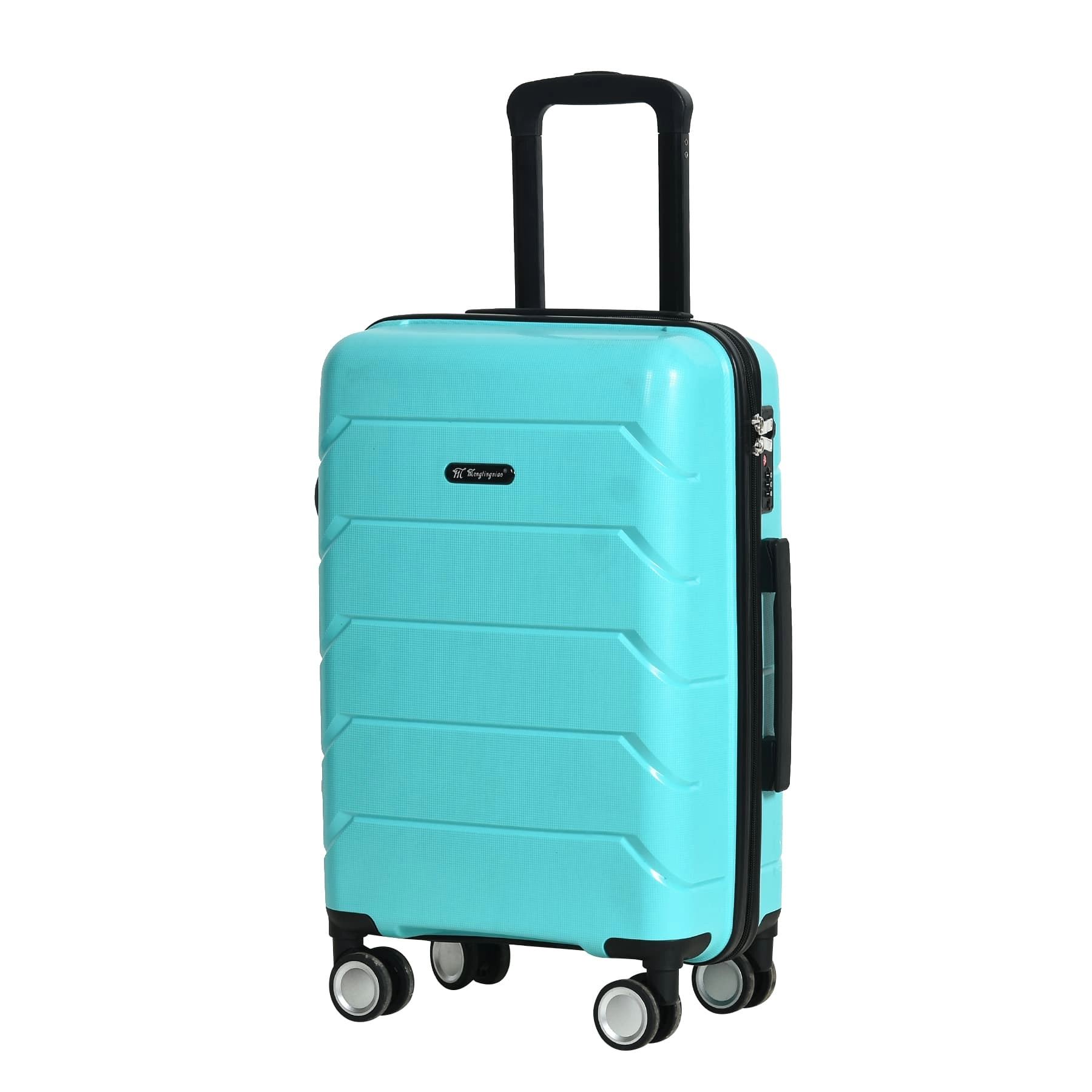
Ongoing hits from many angles on spinner bags create sideways pressure on edges and joins, which raises the chance of tiny breaks in the plastic outer layer, particularly if built from less tough stuff like regular ABS or PVC.
Two-wheel suitcases direct the pressure straight along the roll path. That way, it lowers twisting load on ends and body links. And when matched with a strengthened inside frame, which makers like Pengteng provide as an option, the strength on rough paths grows a lot.
Which Materials Offer Better Terrain-Endurance?
Blends of PC+ABS stand as the top pick for harsh spots. Polycarbonate adds bendiness and fights against splits, whereas ABS brings firm shape at a lower price. You often find this mix in premium bags made to last long. ABS bags, while cheap to make and light, might turn stiff under steady strain. They could snap at the edges if not made stronger.
PP (polypropylene) outer layers give a balanced choice: not as hard as ABS but far more bendy and able to stand against scrapes. It has both hardness and elasticity, which can effectively prevent deformation or cracking. For buyers who value toughness more than looks, PP luggage handles stony ground quite well.
How Do Fabric Cases Perform Compared to Hard Shells?
Cloth suitcases, usually made from Oxford cloth or polyester, soak up shakes instead of pushing back against them. This bendy nature guards what’s inside from harsh moves. Yet, cloth can get pierced by pointy rocks or junk if not backed by solid edge guards or inner supports. Pengteng’s cloth suitcase range has picks with waterproof layers and several levels of strengthening. These suit folks want soft-side flexibility plus better lasting power.
What Maintenance Factors Should Be Considered Long-Term?
Spinner setups need steady cleaning of every turn part because dirt slips into many touch areas. Things like sand, small stones, or wet earth can block the wheel spots or slow down smooth spins. Two-wheel bags have fewer open sections. Their pulled-back place keeps them safe from junk buildup. Hence, they call for less cleaning over periods and extend how long they work.
Are Repairs Easier for One Type Over the Other?
On-the-spot fixing usually goes easier for two-wheel kinds. Common wheel measures and attachment ways make getting parts and swapping them simpler without special gear. By contrast, spinner wheels often get shaped into unique holders that need exact matches from the first maker. This turns into a planning issue on trips abroad unless set up ahead of time.
How Should You Match Luggage to Your Travel Profile?
If your plans mostly cover airports, train stops, and smooth walkways, spinner suitcases shine in easy turns and neat style. But if your paths lead through old towns or simple hamlets with gravel ways, two-wheel types give a stronger hold and ease without cutting bag space.
Are You Prioritizing Professional Convenience or Rugged Versatility?
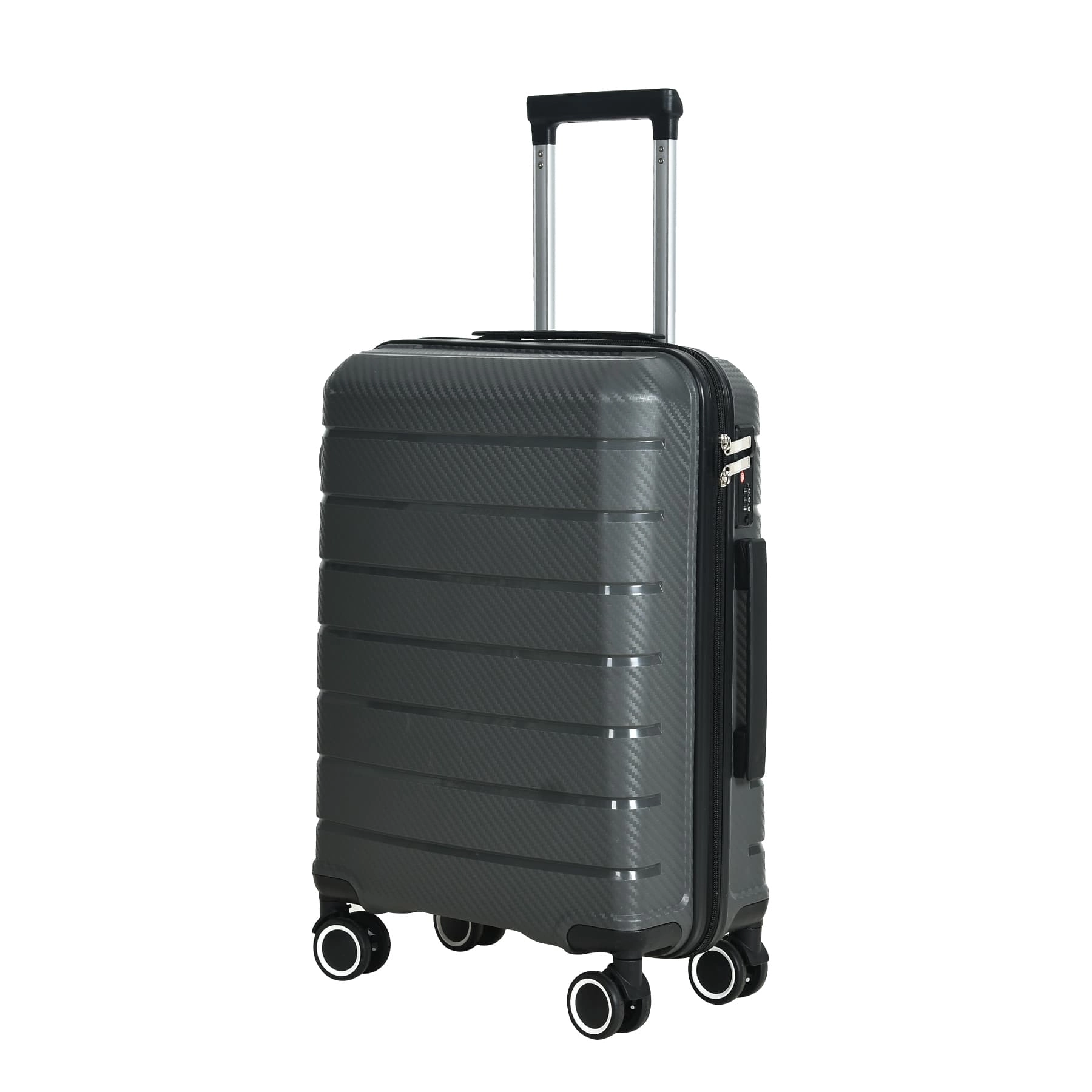
For work folks at meetings or moving through hubs in formal wear, spinners bring smooth control with little body work. For outdoor explorers walking from rail stops or rolling bags over dusty tracks, two-wheeled bags offer solid reliability, key for unsure spots.
How Do Manufacturers Engineer Products for Terrain Adaptability?
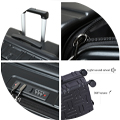
Reinforced wheel housings designed to absorb shock without compromising mobility form a key part of top lines like PC+ABS or PP versions from skilled makers. This stuff also has coatings against scratches that keep looks fresh while standing up to rubs from rock-filled ways.
Can Luggage Be Customized Based on Intended Terrain?
Yes, changeable wheel bottoms let companies adjust their goods to fit buyer types. The professional team will provide optimization suggestions for OEM orders tied to place needs like hill paths or shore villages. From tougher edge frames to wheels with rubber made to take in jumps, changes for specific ground ensure top user joy without hurting brand style or money gains.
Strategic Selection Based on Use Environment & Durability Goals
Choosing between spinner and two-wheel suitcases ought to rest on practical needs, not just how they look. Spinners do best in neat city areas where easy moves matter most. On the flip side, two-wheeled kinds rule tough ground because of their basic workings and strong build setup.
Suitcase companies aiming to supply top gear for many user spots can gain from teaming with providers like Pengteng. They bring varied stuff choices and ground-fit building supported by long years of worldwide making know-how.
FAQ
Q1: Why do spinner wheels wear out faster on cobblestone streets?
A1: Spinner wheels are smaller, externally mounted, and rotate in multiple directions, which makes them more vulnerable to impact stress from uneven surfaces like cobblestones.
Q2: Is fabric luggage suitable for rough terrain?
A2: Fabric luggage offers flexibility that can absorb some shocks; however, it lacks the structural protection of hard-shell materials when navigating jagged or highly irregular terrain unless reinforced internally.
Q3: Can Pengteng customize wheel systems for different terrains?
A3: Yes, Pengteng provides OEM/ODM customization options, including modular wheel configurations designed specifically for performance across varied travel environments such as urban streets or off-road conditions.
 consult
 WHATSAPP
 leave message
 top
top