





OEM Airline Approved Luggage: How Brands Can Customize Suitcases for 2026 Travel Rules
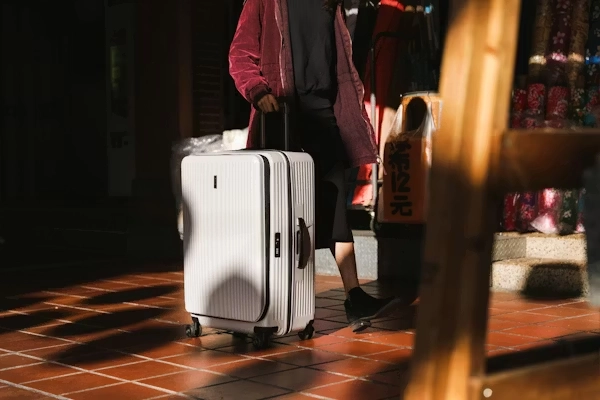
Air travel is getting stricter in 2026. Travelers now focus more on baggage size, weight limits, cabin rules, checked baggage rules, TSA locks, and extra airline fees. For luggage brands, wholesalers, and retailers, this change creates a clear business need. Suitcase products must fit real airline use. They should not focus only on appearance.
At Pengteng, we work with luggage brands, importers, wholesalers, and travel product businesses through our OEM and ODM luggage service. We help clients customize suitcase size, material, color, logo, shell design, wheels, locks, lining, and full product collections for different markets.
Why Airline Approved Luggage Matters in 2026
Size Rules Affect Purchase Decisions
Size is the first point brands should consider when developing OEM luggage. A 20 inch suitcase is often used as carry on luggage for short trips. A 24 inch suitcase is usually suitable for regular checked travel. A 28 inch suitcase works better for long-distance trips, family travel, or customers who need larger capacity.
This size logic is one reason 20/24/28 inch luggage sets remain popular. A three-piece set gives customers flexible choices. It also helps retailers display products more clearly.
Pengteng provides different suitcase styles through our luggage product range, including hard shell suitcase sets, travel luggage, and luggage accessories that can be matched with different buyer needs.
Airline Fees Increase Demand for Lightweight Luggage
For OEM buyers, this creates a practical direction. A lightweight hard shell suitcase can be promoted to students, business travelers, family travelers, and frequent flyers. It also gives retailers a simple sales message.
Custom Suitcase Size for Airline Travel
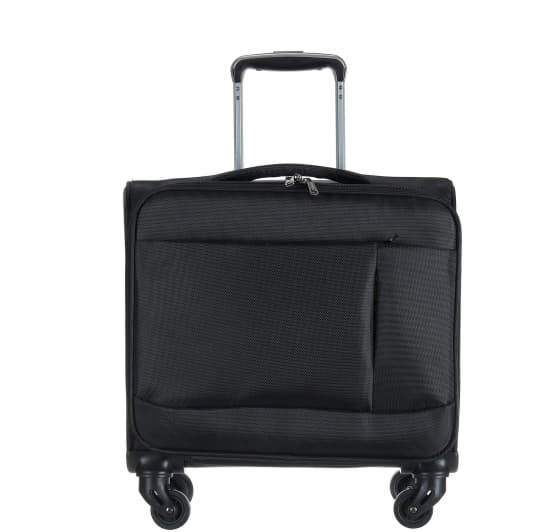
A beautiful suitcase may fail in the market if it does not match travel habits. Before developing a product line, brands should ask which travel problem each size solves.
20 Inch Carry On Luggage
The 20 inch suitcase is usually the key size in an airline approved luggage collection.
For this size, design should focus on smart space use. The wheels should not add too much outside size. The pull rod should feel stable. The inner layout should allow clothing, travel documents, electronics, and small items to be packed clearly.
At Pengteng, we can help buyers customize 20 inch suitcase designs by shell texture, color, wheel type, lining, divider structure, logo position, and handle style.
24 Inch and 28 Inch Checked Suitcases
A 24 inch suitcase is suitable for 3–7 day travel. It gives more packing space than cabin luggage. It is still easier to handle than a large suitcase. This size is closely connected with checked baggage rules, so weight and strength should be balanced carefully.
A 28 inch suitcase is better for long trips, family travel, or overseas travel. Because it carries more items, the shell, zipper, corners, wheels, and handles must be stronger.
Pengteng offers ABS luggage options for buyers who need cost-effective hard shell suitcase collections. ABS supports rich colors, modern surface textures, and practical daily travel use.
Material Choices for OEM Airline Approved Luggage
Material decides product cost, appearance, weight, strength, and market level. A budget suitcase line, a mid-range travel line, and a premium collection should not use the same material plan.
For OEM projects, brands should choose material based on the target sales channel. A supermarket luggage line may focus on price and basic durability. An online travel brand may need better colors, stronger product photos, and clearer selling points.
ABS for Cost-Effective Luggage Lines
ABS is widely used in luggage because it is light, easy to shape, and suitable for different colors and textures. It is a good choice for affordable airline approved luggage, three-piece suitcase sets, and wholesale travel goods programs.
ABS luggage is suitable for entry-level hard shell suitcase lines. It also works for seasonal retail products, promotional luggage collections, custom logo suitcase projects, and travel goods wholesale programs.
For buyers who need price control, ABS gives a useful balance between appearance and cost.
PC+ABS for Stronger Product Value
PC+ABS is often chosen for higher-value suitcase lines. It offers better impact resistance than basic ABS. It gives the product a stronger selling point. A PC+ABS hard shell suitcase can be positioned for business travelers, frequent flyers, and customers who want better quality.
Pengteng provides PC+ABS luggage options for buyers who want stronger material choices and a more refined product line.
PP, PVC, and Fabric for Different Markets
Not all luggage products need to be hard shell suitcases. Some markets still need soft luggage, fabric travel bags, or lightweight travel cases. PP can be used for impact-resistant designs. PVC may suit selected budget products. Fabric luggage offers flexible storage.
A complete luggage collection can use different materials for different customer groups. This helps brands serve more sales channels with one product system.
TSA Approved Luggage and Lock Design
Security is a key part of modern travel. Many customers search for TSA approved luggage because they want a suitcase that is safer and easier to inspect during international travel.
For 2026 luggage design, locks should not be treated as small accessories. A weak lock can make the whole suitcase feel cheap. A built-in TSA lock gives the product a more professional look. It also improves customer trust.
TSA Locks Support International Travel
A TSA lock can help airport security inspect luggage without damaging the lock in certain travel markets. For customers who often travel internationally, this feature is easy to understand and easy to value.
Pengteng offers lock and accessory options through our luggage accessories category. Buyers can discuss lock type, placement, color, zipper match, and logo details during OEM development.
Personal Item Bag Demand Is Growing
The personal item bag is becoming more important because many airlines now separate under-seat bags from larger cabin suitcases. Some basic tickets may only include a small personal item. Full cabin luggage may cost extra.
Matching Bags Improve Brand Recognition
A matching personal item bag helps travelers carry passports, laptops, chargers, medicine, wallets, and small daily items. If it shares the same color, surface style, and logo as the suitcase, the whole product line looks more professional.
For retailers, matching designs are also easier to display online and offline. A coordinated collection looks better in product photos, retail shelves, and wholesale catalogs.
Through our custom luggage service, we can support buyers with logo design, color matching, material selection, and product structure planning.
OEM Customization Points for 2026 Luggage Brands
At Pengteng, we support OEM and ODM customization for luggage brands, wholesalers, and importers. Our OEM service can cover shell design, logo, color, size, material, wheels, locks, lining, and packaging.
Logo, Color, and Surface Design
Logo placement affects brand image. A small metal logo may suit business luggage. A printed or embossed logo may work for fashion travel products. The design should match the customer group.
Color also matters. Black, silver, navy, and dark green are stable choices for business travel. Bright colors and soft tones may work better for young travelers or lifestyle retail brands.
Surface texture should also be planned carefully. Smooth shells look clean. Textured shells can reduce visible scratches. A good hard shell suitcase should look attractive and remain practical after travel.
Interior Layout and Packing Space
The inside of the suitcase affects daily use. A good layout helps travelers pack faster and keep items organized.
Useful inner features include cross straps. They also include divider panels, mesh pockets, zipper compartments, wet and dry sections, custom lining color, and inner brand label.
For carry on luggage, inner space must be used carefully because capacity is limited. For checked suitcases, dividers and straps help protect packed items during transport.
Conclusion
OEM airline approved luggage is a strong direction for 2026 because travelers care more about baggage size, weight, TSA locks, airline fees, and checked baggage rules. For brands, the key is to turn these travel concerns into clear product value. A good luggage line should include practical carry on luggage, strong checked suitcases, useful personal item bag options, and clear size information. Pengteng supports custom suitcase development through material choice, logo design, size planning, color matching, and OEM/ODM production. With the right product plan, brands can build travel luggage collections that are easier to sell, easier to explain, and closer to real passenger needs.
FAQs
Q: What size is best for airline approved luggage?
A: 20 inch, about 35–40 liters, often suits short carry on luggage needs.
Q: How heavy should carry on luggage be?
A: Many travelers prefer under 7 kilograms when packed.
Q: What size works best for checked baggage rules?
A: 24 inch, about 60–70 liters, suits regular checked travel.
 consult
 WHATSAPP
 leave message
 top
top