




OEM Luggage Manufacturing for Airline-Compliant Travel Bag Brands
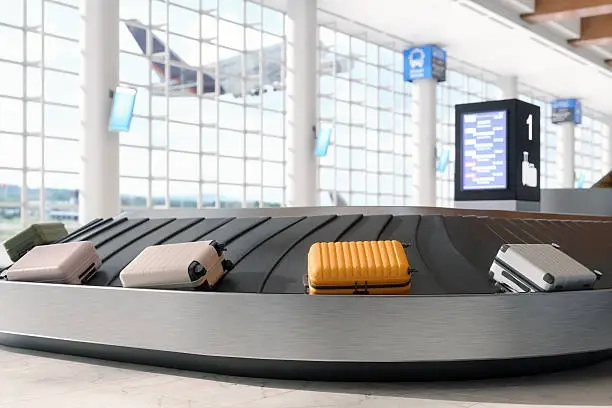
Airline rules have become one of the biggest concerns for travel bag buyers. A suitcase is no longer judged only by its color, shell, or price. Travel brands now need products that fit common airline size habits. They also need to support secure travel, move smoothly through airports, and offer practical packing space. This is why OEM luggage manufacturing has become important for airline-compliant travel bag brands.
At Pengteng, we help buyers develop travel bags that match real travel needs. Our luggage products cover hard-shell luggage, fabric luggage, PC+ABS luggage, ABS luggage, PP luggage, wheels, handles, pull rods, combination locks, and other luggage accessories.
Why Airline-Compliant Luggage Matters for Travel Bag Brands
Air travelers care about one simple question before buying luggage. Can this bag travel smoothly? If the size looks too large, the shell feels weak, or the wheels do not move well, customers may choose another product. For travel brands, airline-compliant luggage is not only a product feature. It is a direct sales advantage.
OEM Luggage Manufacturing Helps Brands Build Market-Ready Products
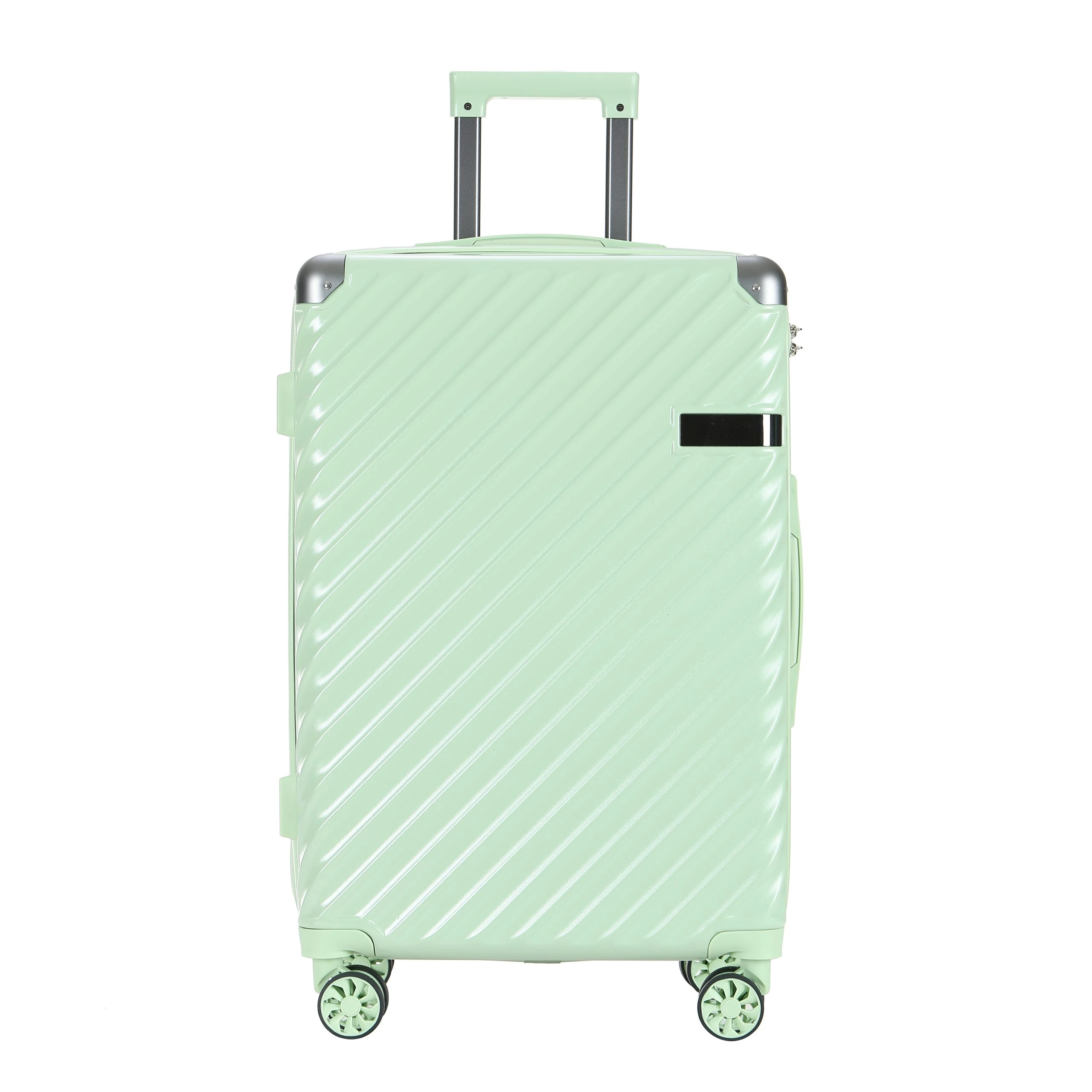
OEM luggage manufacturing allows travel brands to create products under their own brand name. Instead of buying only standard items, buyers can adjust important details. They base these changes on their sales channel, customer group, and price range.
This is especially useful for airline-compliant travel bag brands. Luggage must balance size, weight, strength, and appearance. A small change in wheel height, handle design, or shell thickness may affect the final user experience.
What OEM Luggage Manufacturing Can Include
With Pengteng, OEM luggage manufacturing can support many product details. These include custom logo placement, shell color selection, luggage size planning, material choice, wheel and handle matching, pull rod design, lock selection, lining and interior pocket design, product set planning, and packaging support. Buyers can explore our custom luggage manufacturing service when planning new product lines or improving current collections. This helps brands create travel bags that look consistent and match their target users.
Carry-On Luggage Design Starts with Size Control
Carry-on luggage is one of the most competitive luggage categories. Many travelers want a bag that can be used for short trips, business travel, and weekend travel. This makes size control a key part of OEM luggage manufacturing.
20-Inch Carry-On Luggage for Short Trips
A 20-inch suitcase is often used for short travel. It is easy to move. It is easier to store. It is also more suitable for customers who want light travel. For travel brands, 20-inch carry-on luggage can become a core product in an airline-compliant luggage collection.
Important design points include external size, internal capacity, wheel height, handle structure, shell strength, product weight, and interior packing layout. Pengteng’s products page includes different luggage types and accessories. This helps buyers plan carry-on luggage and checked luggage together.
Checked Luggage Requires Stronger Product Design
Checked luggage faces more pressure during travel. It may be stacked, pushed, dropped, or handled many times before reaching the destination. This means checked luggage should pay more attention to material strength, wheel durability, handle quality, and corner protection.
For airline-compliant travel bag brands, checked luggage should not only offer more capacity. It should also show customers that it can handle frequent trips.
24-Inch and 28-Inch Luggage for Longer Travel
A 24-inch suitcase is often suitable for medium trips. A 28-inch suitcase is better for longer travel or family packing. These sizes are important for brands that want to build a complete luggage set.
Common checked luggage selling points include larger inner capacity, strong shell material, smooth spinner wheels, stable pull rod, secure combination lock, and organized interior space. At Pengteng, we help buyers compare materials and structures through our one-stop luggage solution. This way, product development can better match the target market.
Material Selection Affects Weight, Strength, and Price
Material is one of the most important decisions in OEM luggage manufacturing. It affects how the suitcase looks, how heavy it feels, how strong it is, and how much it costs. Different buyers need different material choices.
Pengteng offers several luggage material options. These include PC+ABS luggage, ABS luggage, PP luggage, PVC luggage, and fabric luggage. Each option can support different market needs.
PC+ABS Luggage for Balanced Performance
PC+ABS luggage is often chosen for modern hard-shell suitcases. It can offer a clean look, good color choices, and practical strength. For travel brands, PC+ABS luggage works well for mid-range collections that need both appearance and function.
It is suitable for business travel luggage, retail luggage sets, gift luggage programs, modern carry-on luggage, and mid-range checked luggage.
ABS Luggage for Cost-Friendly Product Lines
ABS luggage is useful when buyers need a more price-friendly product. It can support colorful designs and simple hard-shell luggage collections. For brands that sell online or through volume channels, ABS luggage can be a practical choice.
ABS luggage can fit entry-level luggage lines, student travel products, promotional travel bags, bulk luggage orders, and affordable luggage sets.
PP Luggage for Durable Travel Needs
PP luggage is often selected for stronger travel needs. It has good flexibility and can be suitable for checked luggage products that need more impact resistance. For buyers serving frequent travelers, PP luggage can help strengthen the product story.
Wheels and Pull Rods Shape the Travel Experience
Customers often judge luggage quality by movement. If a suitcase rolls smoothly, it feels easier to use. If the wheels are noisy or unstable, customers may think the whole bag is low quality.
Spinner Wheels Make Airport Movement Easier
Spinner wheels allow the suitcase to move in different directions. This helps travelers pass through airports, hotels, train stations, and crowded spaces with less effort.
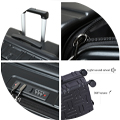
Good wheels should roll smoothly, reduce noise, stay stable when loaded, match the suitcase size, resist daily wear, and support long-term use. Pengteng provides wheels, handles, pull rods, and other luggage accessories through our product and accessory options. These details help buyers create travel bags that feel better in real use.
Pull Rod Quality Builds Buyer Confidence
A pull rod should extend smoothly and stay firm when moving. If it shakes too much, the suitcase may feel cheap. This can affect customer reviews and repeat purchase.
A good pull rod design should consider grip comfort, pull height, locking points, stability, connection strength, and overall luggage weight. For B2B buyers, these small parts are worth attention because customers touch them every time they travel.
Lock Design Supports Secure Travel
A lock should not look like an afterthought. It should match the suitcase body and support the product’s travel-ready image.
Combination Locks Add Practical Selling Points
Combination locks are popular because travelers do not need to carry small keys. They can set their own code and access their belongings easily.
For custom luggage manufacturing, buyers can choose lock styles based on product price level, suitcase material, target market, color matching, security needs, and visual design. Pengteng offers combination locks and other luggage accessories through our luggage products. This helps buyers build more complete product lines.
Interior Storage Helps Customers Pack Better
Multi-Functional Storage Space Adds Value
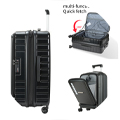
Useful interior features may include mesh pockets, zipper dividers, compression straps, wet and dry separation, small item storage, shoe space, and document pockets. Pengteng has developed solutions for multi-functional storage space. This helps buyers create luggage that supports organized travel. This type of design is helpful for both carry-on luggage and checked luggage.
Building Complete Airline-Compliant Luggage Collections
A strong travel bag brand often needs more than one suitcase. Customers may want a carry-on bag for short trips, a checked suitcase for long travel, and a matching set for family use. This is why OEM luggage manufacturing should consider the full product collection.
A complete airline-compliant luggage collection may include 20-inch carry-on luggage, 24-inch checked luggage, 28-inch checked luggage, matching travel bags, cosmetic bags, replacement wheels, and luggage accessories. With Pengteng’s OEM/ODM luggage service, buyers can plan matching colors, shell styles, logo designs, and material choices across different sizes. This makes the product line look more professional.
Conclusion
OEM luggage manufacturing helps travel bag brands create products that match airline habits, customer expectations, and sales channel needs. A good airline-compliant luggage collection should offer clear size planning, suitable material, smooth wheels, stable pull rods, secure locks, and useful interior storage. These details make luggage easier to use and easier to sell.
Pengteng supports buyers with product variety, OEM/ODM customization, luggage accessories, and complete travel bag solutions. Whether the goal is carry-on luggage, checked luggage, or a full suitcase set, our products can help brands build a stronger travel collection. Contact Pengteng to discuss custom luggage manufacturing for your market.
FAQs
Q: What size is common for carry-on luggage?
A: 20 inch, about 35–45 L, is common for short trips.
Q: How heavy should carry-on luggage be?
A: Many carry-on luggage products weigh about 2.5–3.5 kg.
Q: What capacity is suitable for checked luggage?
A: 24–28 inch checked luggage often offers about 60–100 L.
 consult
 WHATSAPP
 leave message
 top
top