




Polycarbonate Luggage vs Aluminum: A Technical Comparison of Weight Efficiency
Polycarbonate Luggage vs Aluminum: A Technical Comparison of Weight Efficiency

Frequent travelers, logistics managers, and travel gear developers now seek luggage options that mix strong durability with everyday ease. The main difficulty comes from blending looks, solid build, and easy handling without adding extra pounds. Shoppers face a tricky choice process. This involves not only the main material but also fittings, overall shape, and costs over time.
What Are the Key Material Properties That Influence Weight Efficiency?
Polycarbonate serves as a tough plastic polymer built for rough conditions. Its basic makeup provides good bendability. As a result, outside pressures get soaked up and spread out. This happens without breaking the outer layer. Such a gift proves extra useful on journeys. There, bags face constant falls, squeezes, or bends.
The light weight of this material lets makers create slimmer sides while keeping firm support. Thus, they can build layered setups. These cut down on heaviness yet boost defense against jolts. This setup fits well for flights with tight weight limits. Plus, polycarbonate’s easy shaping cuts down on production steps. It allows for varied forms without much hassle.
How Does Aluminum’s Density Affect Its Practical Application?
Aluminum bags usually use plates from aluminum-magnesium blends. This metal mix delivers top-notch stiffness and outer toughness. Still, the greater weight of aluminum leads to more overall mass. Even with thinner walls, this holds. The stiff panel setup gets extra strength from edge guards and sturdy joints. These improve defense against squishing and holes. However, such additions raise the starting weight.
How Do Polycarbonate and Aluminum Compare in Weight-to-Durability Ratio?
Being light does not mean being weak. Polycarbonate bags often include inside frames. These spread out hit forces over the whole case. The material’s natural give lets it recover from bumps. It does so without forming lasting cracks. Further, certain premium versions add stacked layers. This boosts firmness while keeping the load low. Therefore, these traits help polycarbonate bags hit a fine mix of lasting power and easy carry. Such a balance grows popular in designs for quick flights or bags that fit cabin rules.
Does Aluminum Compensate for Its Heft With Structural Superiority?
Aluminum bags rely on their firm design to fight off outside pushes. Strengthened edges, heavy-duty fasteners, and reliable joint parts provide better guard against squeezes and pierces. Yet, these upgrades cause notable weight increases. As such, aluminum suitcases need peak safety for items inside. Think of carrying fragile gear. But it might not appeal to folks often dealing with tight spaces like plane overheads or busy city paths.
How Do These Materials Perform in Mobility and Handling During Travel?
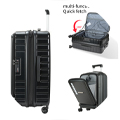
Easy movement matters a lot for people rushing through airports or over bumpy streets. Polycarbonate’s light build makes these bags simple to hoist into upper storage or pull along wide halls. Many come with four-wheel spinners. These allow full-circle turns, which cut down on tiredness over long stretches. For instance, a multiple-size travel case, advanced PC material, built-in TSA lock, waterproof and scratch resistant, suitable for business and vacation travel, shows how such movement aids blend into today’s polycarbonate bag collections.
Does Aluminum’s Weight Impede or Enhance Handling?

Aluminum bags shine in steady upright rolling thanks to their solid skeleton. However, the added pounds can weigh down lifts or carry up steps. In small areas like plane holds, heavier units demand more push to place or pull out. Though beefier wheels help offset some load while rolling, they fail to ease all issues tied to upward heaves. In essence, while rolling feels stable, the overall burden affects quick handling in varied travel spots.
How Does Aesthetic Design Interact With Engineering Function?
Polycarbonate gives wide room for personalization. Makers can color it in bright shades, add soft or shiny coats, and apply special patterns. This works great for company logos or shop variety plans. With regular use, surfaces might pick up small dings, but they hold up against marks better than plain metals. At our end, the group works hard to supply top-notch, eye-catching, and useful bag items. This shows the blend of style and real-world function in polycarbonate builds.
What Characterizes the Industrial Appeal of Aluminum Cases?
Aluminum gives off a sleek factory vibe through its textured metal face and clear fasteners. It conveys a sense of quality and upscale class. But it shows scrapes more easily than plastic types. Even with surface wear, aluminum keeps its form under hard strains. For many, this swap in looks for a better build proves acceptable. Overall, its tough style draws those seeking a pro edge in travel tools.
Which Material Performs Better in Long-Term Usage?
Polycarbonate’s makeup fights off fading from sun rays. This stops color loss or weakening in hot or high places. Its bendy nature also lowers the chances of lasting bends from ongoing hits.
What Maintenance Does Aluminum Require for Longevity?
Aluminum can rust slowly without special coatings. Though this skips the core strength, it changes the outer look. Moreover, joints and fasteners need oiling and checks now and then. Their moving parts make this necessary. Unlike shaped polycarbonate, which skips such care, aluminum demands these steps to last. Regular upkeep ensures it stays reliable over extended periods.
How Does Cost Relate to Long-Term Value?

Polycarbonate bags hit lower starting prices as a rule. For folks traveling now and then or firms buying lots for teams, the upfront cuts make sense. This holds even with shorter swap times. Add in handy extras like TSA locks or stretch sections, and the deal improves. Take the 20″, 24″, 28″ PP Luggage Set as an example. It brings light ease at a fair price. It skips no key uses, making it a solid pick for routine needs.
Is Aluminum Worth Its Premium Price Tag?
For experts on the go with pricey or breakable goods, aluminum’s higher entry fee evens out. It cuts damage risks and extends the use life. Looked at over long hauls, especially in tough spots, aluminum gives better value over time. The first outlay pays off through fewer fixes and longer runs, suiting high-stakes travel.
Why Choose Pengteng as Your Lightweight Luggage Partner?
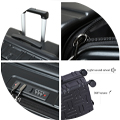
We stand as a skilled bag manufacturer with more than 20 years in the field. We focus on plastics such as ABS+PC or PP. We also handle aluminum-magnesium builds. Our range covers fun trips and work journeys. It includes various sizes, built-in TSA locks, quiet spinner wheels, and adjustable inside setups. These fit different needs.
No matter if you stock up in bulk or craft your own label lines, Pengteng provides custom OEM/ODM help. We match your brand goals. Support covers item studies, pack designs, and global shipping. We stay dedicated to full-service, tailored bag answers for all clients.
What Are the Primary Findings from This Technical Comparison?
Polycarbonate stands out where keeping weight down and easy moves matter most. It fits carry-on rules for flights or regular home trips. On the other hand, aluminum brings top guard against heavy crushes. This makes it right for hauling delicate tech or rough paths. There, safety trumps light carry every time.
FAQ
Q1: Which type of luggage is more suitable for cabin baggage requirements?
A1: Polycarbonate luggage is more suitable because its lighter structure helps meet strict carry-on weight limitations without sacrificing durability.
Q2: Is there any long-term maintenance required for aluminum suitcases?
A2: Yes. Aluminum suitcases require regular maintenance on mechanical parts like hinges and locks due to their metal-on-metal construction.
Q3: Does Pengteng offer customized branding services on luggage?
A3: Yes. Customization includes logo printing, color selection, interior configuration, and even packaging tailored to brand requirements.
 consult
 WHATSAPP
 leave message
 top
top