





Softside vs Hardside Luggage: Which One Works Better Under New Airline Rules?
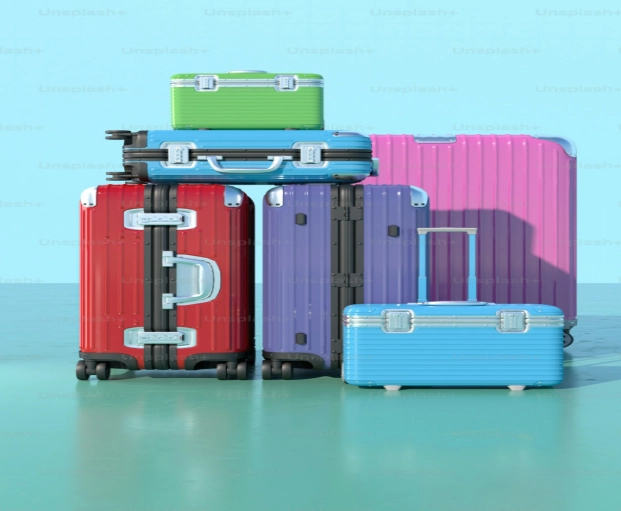
In early 2026, various airlines across North America and Europe began to enforce stricter baggage checks right at the boarding gates. Passengers who once managed to fit slightly large bags into overhead compartments now often encounter surprise fees ranging from USD 60 to 120. Online platforms soon buzzed with clips of travelers compelled to check their luggage just before takeoff.
For numerous shoppers, the comparison between softside and hardside luggage feels more relevant now than before.Certain travelers seek a light carry-on option for brief trips. Others focus on resistance to bumps during overseas connections. The choice typically hinges on airline policies, personal travel patterns, and how one packs.
Companies like Pengteng have observed this pattern too. Customers increasingly request luggage that meets airline standards, featuring TSA locks, compartments that expand, lighter exteriors, and sturdier wheels. The industry evolves rapidly, particularly for business professionals and younger travelers who travel by air more often.
Why Airline Rules Matter More in 2026
Airlines face ongoing efforts to cut fuel expenses and speed up boarding processes. Consequently, their baggage guidelines have grown tougher. Now, even a small excess in length can lead to extra charges.
Meanwhile, airplane interiors feel more packed than ever. Those who grasp the latest checked baggage rules tend to avoid delays, the hassle of repacking, or surprise expenses at the terminal.
2026 Airline Carry-On and Checked Baggage Rules
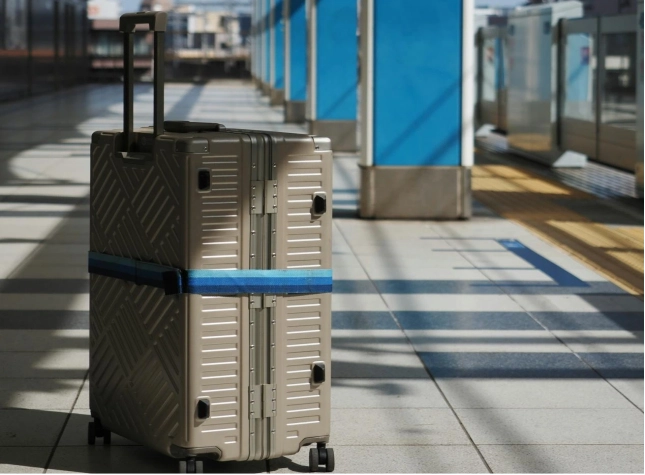
American Airlines typically permits carry-on bags up to 56 × 36 × 23 cm. Checked bags usually max out at 23 kg. A 24-inch suitcase fits in most cases. However, a 28-inch one might need weight verification based on how full it is.
United Airlines sticks to a 56 × 35 × 22 cm limit for carry-ons. It also caps checked baggage at 23 kg. Most 24-inch pieces suit the requirements well. But 28-inch versions generally get checked rather than carried on.
Delta Air Lines applies a 56 × 35 × 23 cm standard for cabin bags. Checked allowance stands at 23 kg. A 24-inch suitcase works for typical journeys. Larger 28-inch options could surpass weight limits on extended flights.
Lufthansa allows carry-ons of 55 × 40 × 23 cm. Checked bags reach up to 23 kg. A 24-inch suitcase serves as a standard pick for trips in Europe. Yet a packed 28-inch case might exceed the weight cap.
Ryanair enforces tight rules as a budget carrier. Free cabin bags stay under 40 × 20 × 25 cm. Checked baggage limits to 20 kg. Thus, a 24-inch suitcase often incurs an extra fee for cabin use. A 28-inch one must go in checked luggage.
Air China accepts carry-ons up to 55 × 40 × 20 cm. Standard checked bags limit to 23 kg. A 24-inch suitcase generally qualifies for everyday trips. Meanwhile, 28-inch luggage usually gets checked on global routes.
These policies update frequently. Shoppers who select luggage solely for its style frequently face issues at the last minute.
An effective airline approved luggage piece must balance several factors:
- Exterior dimensions
- Empty weight
- Wheel structure
- Expandable space
- Shell flexibility
Softside Luggage Remains Popular for Flexible Packing
Soft shell luggage keeps its appeal, despite hard shell options filling many airport shops. Indeed, plenty of regular flyers favor fabric suitcases. They adjust more readily to the spaces in airplane cabins.
Professionals on business and those on quick getaways often choose softside for its ease. They value practicality above top-tier safeguarding.
Advantages of Soft Shell Luggage
Soft shell luggage commonly employs polyester, nylon, or mixed fabrics. These materials offer greater adaptability when loading items.
Notable strengths are:
- Simpler fitting into overhead bins
- Additional outer pockets for papers and gadgets
- Somewhat reduced weight when empty
- Greater give when stuffed beyond capacity
- Quicker retrieval at security points
For people packing garments, footwear, or pliable belongings, a light design proves more useful than stiff alternatives.
A carry on luggage with bendable fabric edges can occasionally squeeze into spots that block rigid types. This counts a lot on packed flights where room runs short.
Certain expandable softside units also add 3–5 cm of bonus room. Shoppers coming back from shopping trips frequently value this trait.
Weak Points of Softside Designs
That said, softside luggage carries some drawbacks.
Cloth exteriors take in dampness more readily than ABS or polycarbonate casings. Harsh knocks can harm the inner framework too. Thus, those with cameras, tablets, or delicate goods often require extra padding inside.
Security might suffer if zippers lack solid construction.
On routes with several handlers, lightweight fabric bags can wear down after just a couple of years.
Hardside Luggage Gains Attention Under Stricter Airport Handling
Although soft luggage provides adaptability, interest in hard shell suitcases has surged over the last couple of years. Numerous travelers now emphasize resilience against knocks and smoother finishes.
The growth of automated check-in stations and baggage conveyors has shifted choices as well. Hard shells endure rough treatment on these systems more reliably.
Benefits of Hardside Luggage
Today’s hard shell suitcase products mainly feature:
- ABS
- Polycarbonate
- ABS + PC blends
- Aluminum frames
These components form a firm outer layer that shields contents during movement.
Key upsides consist of:
- Superior resistance to impacts
- Enhanced resistance to water
- Neater look after extended journeys
- Stronger safeguarding for devices
- Improved form for piling up
Individuals transporting laptops, drones, beauty products, or breakable mementos tend to select hardside for these qualities.
Plenty of airline approved luggage options now integrate:
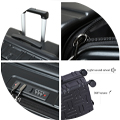
- TSA-approved locks
- Double spinner wheels
- Reinforced corners
- Scratch-resistant surfaces
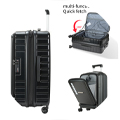
For instance, the OEM & ODM ABS trolley suitcase set from Pengteng incorporates built-in TSA locks and ABS shell build suited to today’s airport operations.
Limitations of Hard Shell Suitcases
Firm luggage brings a few real-world challenges too.
A hard shell suitcase resists squeezing when bins fill up. Even tiny size variances can cause issues at boarding under rigid checked baggage rules.
Inexpensive ABS casings might split from strong blows. Plus, marks appear fast on shiny exteriors.
Weight when empty poses another concern. Certain budget hard shell models tip the scale at 4–5 kg unpacked. This eats into the airline’s weight limit right away.
Therefore, purchasers now often assess:
- Shell material
- Weight-to-capacity ratio
- Wheel durability
- Handle stability
Material Quality Matters More Than Shell Type
Shoppers often pit softside vs hardside luggage as if one side always triumphs. In truth, the caliber of materials alters the outcome entirely.
Low-end hard shell pieces might underperform compared to high-grade fabric ones.
Prior to purchase, people should review:
- Zipper quality
- Wheel bearings
- Handle reinforcement
- Corner protection
- Interior frame structure
A well-made lightweight luggage design can support frequent travel for years, no matter the shell.
The 3-piece carry-on luggage set from Pengteng merges PVC and ABS to cut weight yet preserve firmness. Such hybrid builds have gained traction in 2026. Travelers seek both adaptability and security.
What Travelers Are Prioritizing in 2026
Buyer tastes shift swiftly these days. Changes in airline rules form just one element.
People now emphasize:
- Lightweight construction
- Noise reduction wheels
- TSA security
- Scratch resistance
- USB charging features
- Expandable storage
- Sustainable materials
Younger consumers particularly like luggage that suits diverse situations. A single piece might serve for:
- Business meetings
- Weekend flights
- International vacations
- Train travel
- University relocation
As a result, firms like Pengteng craft OEM and ODM lines with versatile setups for sellers and outlets.
Demand rises for tailored airline approved luggage among suppliers, travel firms, and promo goods providers.
Choosing the Right Luggage Size
Picking the correct size ranks among the top errors for buyers.
A case that appears suitable in photos might overrun limits once wheels and grips factor in.
Basic suggestions include:
- 20-inch: ideal carry on luggage
- 24-inch: balanced for 5–7 day travel
- 28-inch: best for long trips or family use
Frequent users of budget airlines should focus on overall measurements, beyond just inside space.
Ahead of buying, verify:
- Total external size
- Empty weight
- Airline route restrictions
- Expandable zipper thickness
A mere 2–3 cm variance can determine if baggage stays free or draws a charge.
Conclusion
Talks on softside vs hardside luggage extend past aesthetics now. Recent airline measures have reshaped how people judge suitcase effectiveness. Soft shell luggage suits adaptable loading and domestic jaunts well. On the other hand, hard shell suitcase builds deliver robust defense and longevity for overseas journeys.
For vendors, shops, and travel outfits seeking airline approved luggage with up-to-date elements, Pengteng offers OEM and ODM solutions crafted for today’s travel needs and shifting airline norms.
FAQs
Q:Is hardside luggage better for international flights?
A:Yes. A hard shell suitcase protects electronics and fragile items more effectively during transfers.
Q:What size carry on luggage fits most airlines in 2026?
A:Most airlines accept 55 × 35 × 23 cm carry on luggage under 7–10 kg.
Q:Is soft shell luggage lighter than hardside luggage?
A:Usually yes. Soft shell luggage often weighs 0.5–1.5 kg less than rigid cases.
 consult
 WHATSAPP
 leave message
 top
top