




Spinner Wheels vs Non-Spinner Wheels Suitcase: A Technical Performance Review
Spinner Wheels vs Non-Spinner Wheels Suitcase: A Technical Performance Review

In a time when speed, toughness, and flexibility shape effective journeys, the role of wheel setup in baggage stands out greatly. For regular air travelers, supply chain workers, and on-the-go experts, picking between spinner wheels and non-spinner (inline) wheels goes beyond a simple choice. It truly affects ease of handling, tiredness during use, and the lasting quality of the gear.
Travel settings grow more challenging these days. Think of crowded airport lounges or bumpy countryside bus stops. In such places, the build of the suitcase’s wheel setup has become a key element in how well it works overall. These systems must handle diverse conditions without failing.
Who is Pengteng, and Why Do Professionals Trust Their Luggage Solutions?
Experts looking for custom-fit travel gear often turn to a reliable manufacturer like Pengteng, a leader in strong baggage designs. With more than two decades of experience, Pengteng delivers a wide range of items, which includes ABS, PC+ABS, PP, fabric, and PVC baggage choices. What sets them apart is their skill in offering adjustable OEM/ODM options, careful picking of fabrics, and cutting-edge wheel tech. No matter if you want spinner-style ease or sturdy non-spinner support, Pengteng supplies long-lasting, practical answers that match today’s journey needs. Professionals value this because it ensures reliability in demanding situations.
How Do Spinner and Non-Spinner Wheels Differ Structurally?
Spinner wheels get built for movement in all directions. Each one turns on its own around a full 360-degree pivot, and they use multi-axis supports that cut down on pushback when making turns. Many setups feature paired wheels for extra steadiness and a smoother roll. The contact at four spots on the ground spreads out the load evenly. However, this setup adds some extra pull from the surface below.
How Do Fixed-Wheel Systems Support Directional Stability Over Long Distances?
Non-spinner wheels rely on a steady two-wheel arrangement fixed to a middle shaft, and this layout directs the weight more smoothly in straight-line travel. It also lowers the effort needed to roll forward. Bigger wheel sizes improve how they handle bumps. As a result, these systems hold up better on rough paths.
Which Performs Better in Specific Travel Scenarios?
Spinner wheels shine in cramped areas. Examples include boarding ramps, lifts, or slim plane walkways. Their freedom to spin any way lets users guide the bag without lifting it. On the other hand, non-spinner types demand a slanted pull, which makes steering tricky around sharp corners.
Are Non-Spinner Wheels More Reliable on Uneven Terrain Such as Cobblestones or Gravel?
Absolutely, they are. Fixed wheels keep a solid grip and command on bumpy ground. Their greater size and straight-ahead focus help them push past obstacles like stones or loose dirt, which reduces the risks of getting stuck or broken, problems that spinner parts often face in such spots.
What Happens When You Need to Move Quickly—Like Running to a Departure Gate?
During fast-paced rushes, non-spinner bags hold their path steadier than spinner ones. Spinner wheels might twist wildly when speeding up, and this could lead to off-track pulls or extra resistance. To avoid that, users must guide them with care and attention.
How Does Wheel Design Affect Weight Management?
Spinner wheels spread the weight over four spots. Yet they boost resistance because of wider ground touch, and this might raise the force needed on some floor surfaces. Meanwhile, non-spinner setups cut that resistance. They channel the weight to just two points along one clear path.
Which Design Minimizes Physical Fatigue for Long-Distance Hauling?
Spinner setups work best for brief comfort. They remove the need to raise or slant the bag, but for longer stretches or rough ground, dragging a two-wheeled bag feels less straining on arms and back. Its steady flow and lower wheel rub make the difference clear over time.
What About Long-Term Durability and Maintenance?
Spinner wheels face twisting forces from many angles, which speed up their breakdown, particularly with materials like ABS blends or gentler TPR types. Non-spinners deal with straight-line wear only, which extends their useful life through constant handling.
Which Type Is Easier to Maintain or Repair When Damaged?
Non-spinner builds have basic inner workings. With fewer parts that move, swapping them out proves straightforward. Costs for fixes stay low, too. Spinner groups involve tricky turning setups. These often need special pieces or expert help to mend properly.
Which Is More Suitable for Different Types of Travel?
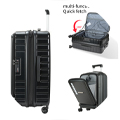
For workers who often visit airports and lodging spots, spinner baggage brings top-notch ease. Take this 4 Wheel Spinner ABS Luggage Hard Shell Trolley Luggage Set, for instance. It glides effortlessly through busy hubs. At the same time, it keeps a sharp look and light carry, which fits perfectly for quick outings in city areas.
Should Outdoor or Long-Distance Travelers Choose Non-Spinners Instead?
Yes, they should. People dealing with open-air rail hubs or backroad routes gain from fixed-wheel toughness. The bigger wheels and firm drag style suit them well for drawn-out trips, and these often involve bulkier packs that demand steady support.
Does Wheel Design Impact Packing Efficiency?
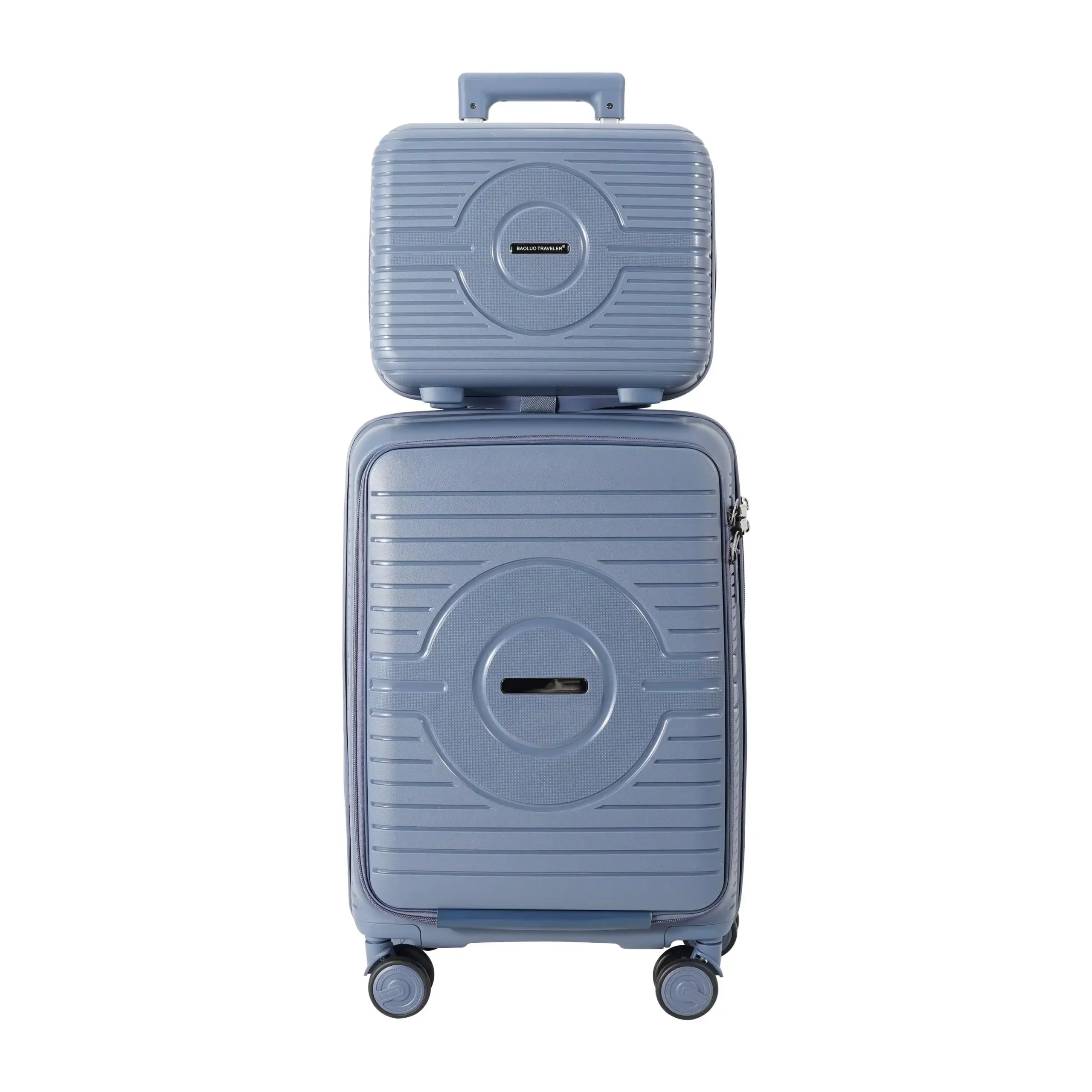
They can, to some extent. Spinner wheels sometimes stick out into the bottom frame, which cuts into the evenness of the inner area, and it also trims the total room available a bit. Non-spinner approaches let the base stay flat, which boosts how items fit inside, great for full storage use.
Which Type Provides Better Stationary Stability?
Two-wheeled bags stand firm on their own or against a surface. Spinner kinds might shift on their own if not secured, which happens on slopes or slick floors. Unless they have built-in stops, that rolling can cause issues.
What About Cost Differences Between the Two Options?
The detailed nature of spinner parts, along with stuff like polyurethane-paired rollers, drives up build expenses. Non-spinners use simpler pieces. So they usually come at a friendlier price point.
Which Offers Better Value Over Time Based on Usage Frequency?
For those who travel often and value quick handling, spinner bags make their higher tag worthwhile. The added comfort pays off in daily routines. Yet for rarer trips, fixed-wheel versions deliver stronger staying power for the money invested long-term.
How Do Shell Materials Interact with Wheel Performance?
Light PC+ABS builds up nicely with spinner systems, and they allow easy flow without weighing down the wheels too much. Sturdier PP covers match non-spinners well. They hold big loads firmly without losing shape or strength.
Can I Customize My Wheel System with a Trusted Manufacturer?
Pengteng provides solid OEM/ODM tailoring help. Clients can adjust wheel setups to fit exact market wants. Options cover marked spinner or fixed-wheel units, tougher supports, TSA lock fits, and matched color groups. All this ensures the final product ties into brand plans and what users expect in practice.
Summary of Technical Trade-offs
|
Metric |
Spinner Wheels |
Non-Spinner Wheels |
|
Maneuverability |
High in tight spaces |
Limited; requires tilting |
|
Terrain Adaptability |
Low on uneven surfaces |
High; better traction |
|
Durability |
Moderate; complex mechanisms |
High; simple robust design |
|
Maintenance |
Requires specialized service |
Easy self-maintenance |
|
Load Capacity |
Moderate; increased drag |
High; efficient linear rolling |
|
Cost Efficiency |
Higher upfront cost |
More affordable |
FAQ
Q1: Are spinner wheels more prone to damage than non-spinner wheels?
A1: Yes, due to their multidirectional movement mechanism and exposure at all four corners, spinner wheels are more susceptible to wear or breakage under rough handling compared to fixed-wheel systems. This vulnerability arises because the constant swiveling puts extra strain on the components over time.
Q2: Can I customize the type of wheel system when ordering from Pengteng?
A2: Absolutely. Pengteng offers full OEM/ODM services, allowing clients to select between spinner or non-spinner configurations based on their market needs or brand preferences. Such flexibility helps tailor products precisely to diverse requirements.
Q3: Which type is better suited for heavy-duty travel purposes?
A3: For heavy-duty travel involving variable terrain or extended distances, non-spinner wheeled luggage generally performs better due to its structural simplicity and greater stability under load. This design choice ensures reliability when facing tough conditions repeatedly.
 consult
 WHATSAPP
 leave message
 top
top