




Sustainable Luggage Comparing Material Lifespan in Eco-Conscious Designs
Sustainable Luggage Comparing Material Lifespan in Eco-Conscious Designs

The travel gear sector is experiencing a major shift fueled by environmentally aware travelers. These individuals want practical items, yet they also insist on green practices. Such buyers are urging companies to look past mere looks and adopt earth-friendly advancements that cut down on harm to the planet. Whether city dwellers on short trips or globe-trotters, people now focus more on picking sturdy, reusable, and fairly obtained substances. The result? A change in bag creation that puts substance choice at the heart of eco-accountability and lasting quality.
For those who fly often and are experts in the field, the perfect bag needs to handle the strain of constant handling. At the same time, it should match principles of climate-aware making. Thus, green bags are more than an idea—they form a whole category reshaping views on toughness, overall expense, and cutting down trash.
How Does Material Selection Shape the Future of Sustainable Luggage Design?
Choosing the right substance stands as the base for both the planet-friendly side and the practical strength of today’s bags, which controls aspects like how much time the item endures and if it can be recycled or fixed easily. For makers and creators, this involves weighing pull strength, heaviness, protection against damage, and the ability to reuse in one plan.
Options such as polycarbonate (PC), polypropylene (PP), ABS mixes, reused textiles, and even PVC-covered styles are rising as top choices in this green change, and their special traits let creators customize bag answers to fit certain green aims. Yet, they still meet tough travel needs.
What Factors Determine the Longevity of Sustainable Luggage Materials?
Luggage faces real stresses from bag-sorting machines, pulling over varied floors, and squeezes from filled sections. Important features like resistance to rubbing, soaking up hits, and pull strength prove crucial. For example, polypropylene (PP) in the PP luggage series stands out for its great sturdiness. It stays light and holds up well under intense handling. Substances that do well here show fewer breaks, bends, or rips as time goes on. This reliability ensures that travelers can depend on their gear without constant worries about early breakdowns.
Which Environmental Conditions Threaten Luggage Materials Over Time?
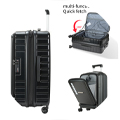
Sunlight’s UV beams, dampness, and sharp weather changes often get overlooked as they slowly harm bag substances. Lacking proper shields, even solid ones can lose color, twist, or turn fragile. Green choices today usually add coatings or processes that boost these defenses. Importantly, they do so without hurting the chance for reuse. For instance, PC+ABS bag lines use improved PC elements that offer warmth protection and waterproofing for long journeys. These mixed substances also give better steadiness when temperatures swing. As a result, such designs help luggage last through diverse climates encountered during trips.
How Do Maintenance Needs Reflect Long-Term Material Behavior?
Materials needing little upkeep tend to keep their fresh appearance and work well for longer periods. On the other hand, surfaces prone to marks might call for regular fixes or swaps. Substances like ABS benefit from layering or mixing steps that build up their guard against turning yellow or weak with age. ABS cases with tough finishes, like those in Pengteng’s ABS luggage collection, feature mark-proof outsides perfect for nearby trips. Consequently, owners spend less time and effort on care, which extends the item’s useful life and supports sustainable use patterns.
Which Sustainable Luggage Materials Perform Best Over Time?
PP is rapidly becoming a preferred green hard-case substance because of its fine ability to cushion jolts paired with a small mass. It recycles completely and offers top-notch lasting power while weighing less than most rivals. PP’s skill in fighting shape changes makes it perfect for shaped outer uses where firm build counts most. Moreover, its low environmental footprint during production adds to its appeal for conscious buyers seeking reliable travel companions.
Are PC or PC/ABS Composites Superior for High-Stress Travel?
PC supplies strong pull strength and remarkable guard against heat. When combined with ABS, the mix gets bendability without dropping firmness—a great middle ground for people wanting tough but light equipment. Such mixes appear often in water-tight styles with TSA locks and room-to-grow parts, and this combination not only handles rough handling but also aligns with efforts to reduce material waste through durable construction that lasts through numerous adventures.
Can ABS Still Be Considered Sustainable?
Though ABS by itself might not equal PP or PC’s endurance, new steps like layering or joining with PC lift its lasting quality a lot. Its low price also opens it up to cost-aware shoppers. At the same time, it backs a fair green outline via right upgrades. Therefore, enhanced ABS serves as a practical choice for entry-level sustainable travel needs without fully sacrificing eco-benefits.
What Makes Fabric-Based Luggage Eco-Friendly Yet Flexible?
Reused polyester and nylon textiles see wide use in soft-case picks. They come from old PET bottles or factory scrap threads, aiding loop economy targets. Still, these bendy substances usually need added stiff parts or inside supports to reach the same endurance as hard-case types. By blending innovation with recycled sources, fabric luggage offers versatility for varied packing styles while promoting reduced resource use over time.
Is PVC-Coated Luggage Still Relevant for Sustainability?
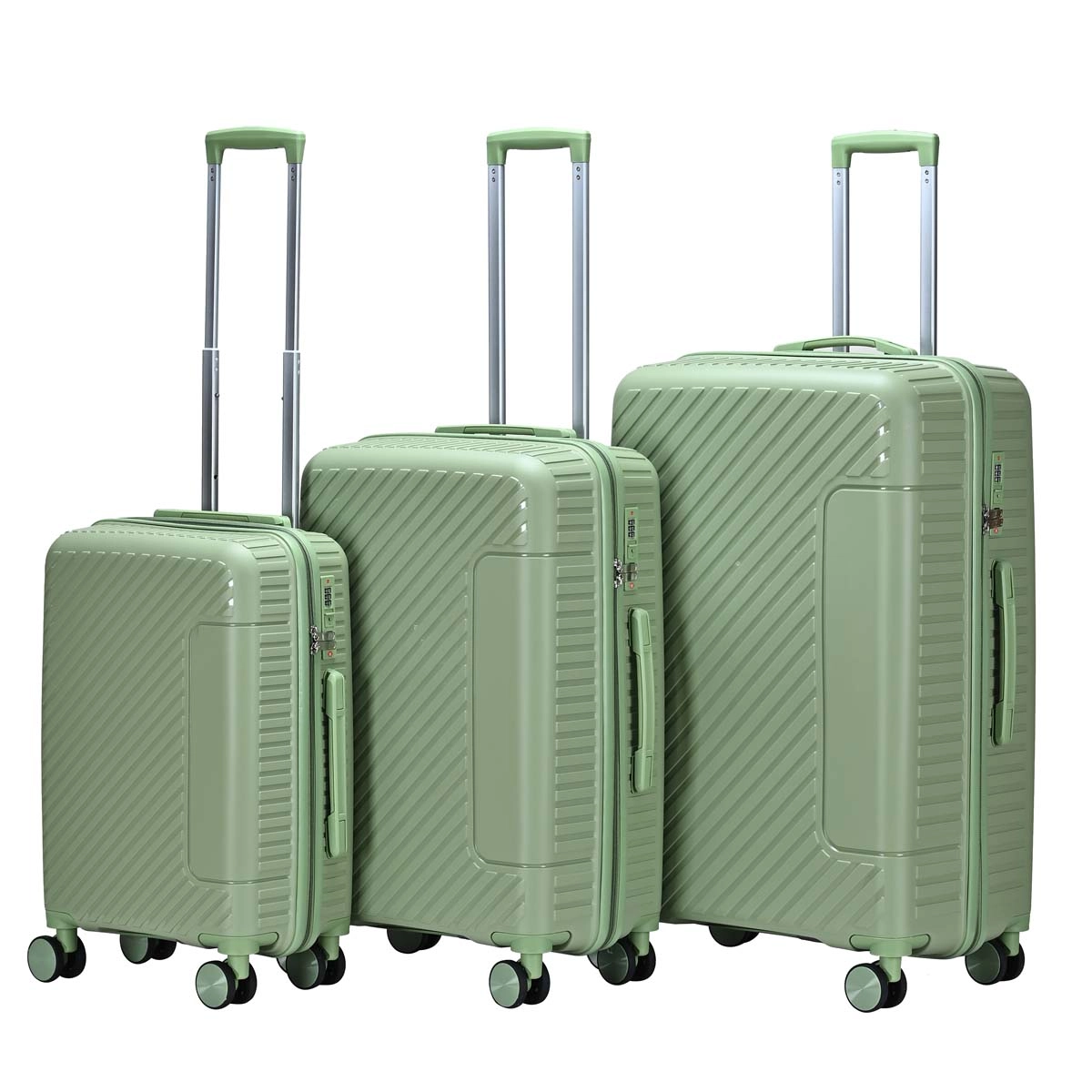
Even with worries about PVC making’s eco-effects, its water-shield and easy care keep drawing interest for mixed bag kinds. Adding PVC over ABS outsides allows for a smooth look with strong ends. However, issues with reusing might curb PVC’s role for truly green shoppers. Nonetheless, in targeted uses, it provides value by enhancing protection in moisture-heavy settings, balancing some sustainability trade-offs with functional gains.
How Can Design Features Extend Material Performance?
Careful build boosts like ridged sides spread out pressure across the outer layer evenly. Two-layer edges take in hits better than smooth ones, and these extras not only lengthen service time but also add to a high-end touch. When integrated thoughtfully, they transform basic designs into robust pieces that withstand the daily rigors of modern travel demands.
Which Components Should Be Prioritized for Durability?
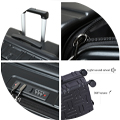
Grasps from plane-level metal or strengthened plastic give steady work under weight over the years. Extendable poles need to fight bending in squeeze rounds. Pulls ought to resist rust with self-mend traits to hold wholeness. TPU rollers with full-circle spin aid in cutting pull damage during long runs. Top-grade bearings likewise secure easy rolling across mixed grounds. Prioritizing these elements ensures the whole unit performs reliably, minimizing failures that could shorten overall usability.
Why Is Lifecycle Assessment Essential in Sustainable Luggage Development?
Lifecycle review checks all stages—from pulling resources to throwing away, which covers output gases in making, move power costs, and final reuse ease. A really green bag has to do well in every step. Split-apart styles that permit taking apart boost reuse chances, and they also drop fix expenses. Loop-shut making setups play a big part too. They cut fresh substance loss via re-use plans. Through such thorough checks, developers can pinpoint weaknesses and refine processes to truly lower the carbon trail from cradle to grave.
Pengteng: Your Partner in Building Durable, Sustainable Luggage
If you aim to craft top-working green bags with skilled advice through substance and build stages, think about teaming with Pengteng. We serve as a skilled bag maker with more than 20 years in output know-how. We focus on ABS, PP, Oxford cloth, PVC output, plus plan, sale, and growth of bag add-ons like trip cases. Our ODM/OEM aids let you shape custom bag fixes using reusable PP, high-endure PC/ABS mixes, or earth-kind textiles. All this fits your special mark aims. With our own check spots and a plan-to-output flow that hits world rule levels, we make sure your goods stay dependable and duty-bound, and this approach not only meets but exceeds expectations for quality and responsibility in the competitive travel market.
Conclusion: Why Material Longevity Is the Foundation of Sustainable Travel Gear
Substance work goes beyond just fending off bumps or marks—it centers on making bags that support a green way of life without giving up ease. Picking options like PC/ABS mixes or polypropylene guarantees steady build wholeness over the long haul. It also trims full-life costs and garbage. Makers have to match tech picks with nature goals to meet shifting buyer wants. When linked with boosted parts and split styles, current green bags can really give full work and shape without cuts. Ultimately, this focus on enduring materials paves the way for a future where travel gear supports both personal journeys and planetary health seamlessly.
FAQ
Q1: Which material offers the best balance between sustainability and durability?
A1: Polycarbonate blended with ABS provides excellent tensile strength and thermal stability while reducing weight. It’s ideal for frequent travelers looking for sustainable options without compromising structure. This blend stands out because it combines eco-friendly production methods with robust performance that holds up under real-world pressures, making it a smart pick for those prioritizing both planet and practicality.
Q2: Are fabric-based suitcases recommended for long-term use?
A2: Recycled polyester suitcases can be durable if reinforced properly. However, they typically require structured frames or internal panels to match the impact resistance of hard-shell materials like PP or PC/ABS. With these additions, fabric options deliver flexibility and lightness, appealing to users who value adaptability in their travel setups while still aiming for extended service life.
Q3: How does Pengteng verify the quality of its eco-friendly luggage?
A3: Pengteng employs rigorous testing protocols across impact resistance, thermal stability, waterproofing, and component durability to ensure each product meets high-performance standards while adhering to eco-conscious principles. Our comprehensive approach includes simulated travel scenarios and material stress tests, guaranteeing that every piece not only survives but thrives in diverse conditions, fostering trust among partners and end-users alike.
 consult
 WHATSAPP
 leave message
 top
top