





Travel Luggage Trends: Why Oxford Trolley Bags Are Making a Return
Consider the typical airport baggage claim area during the peak holiday season. You observe countless travel cases sliding off the steel ramp. They bump against one another prior to landing on the moving strip. Several seasons back, nearly all items in that collection consisted of bright, stiff plastic exteriors. Lately, however, a clear adjustment appears in the patterns of travel baggage. Greater numbers of voyagers and regular passengers turn back to cloth-made choices. In particular, they favor sturdy Oxford trolley bags.
Such a transition happens for a good cause. As key carriers apply tighter handheld size rules and increase fees for registered loads, people rethink their true requirements for equipment. They seek bendability, reduced starting mass, and clever organization. The current cloth container supplies just that. It moves from the weak fasteners and ripped coverings of earlier times. Now, it presents advanced, tough answers for present-day travels.
Decoding the Shift in Recent Luggage Trends
During the last five years, terminal rotating platforms were filled with polished plastic units. Yet, as primary carriers impose firmer mass boundaries and levy up to $40 for registered pieces, rider focuses alter quickly. Folks now prize useful arrangement and minimal mass much more than a firm outside that marks right away from contact.
The Real Cost of Heavy Cases
Carriers worldwide stick to the usual 50-pound (23-kilogram) cap for registered containers. A big rigid-shell unit frequently masses from 10 to 13 pounds when unfilled. That right away uses up twenty percent of your mass permit before adding even one garment. Flexible-side baggage, particularly those made from current substances, generally weigh 2 to 3 pounds less than similar rigid units. This mass benefit lets people include more possessions without meeting costly excess-mass charges at the registration desk.
The Need for Accessible Storage
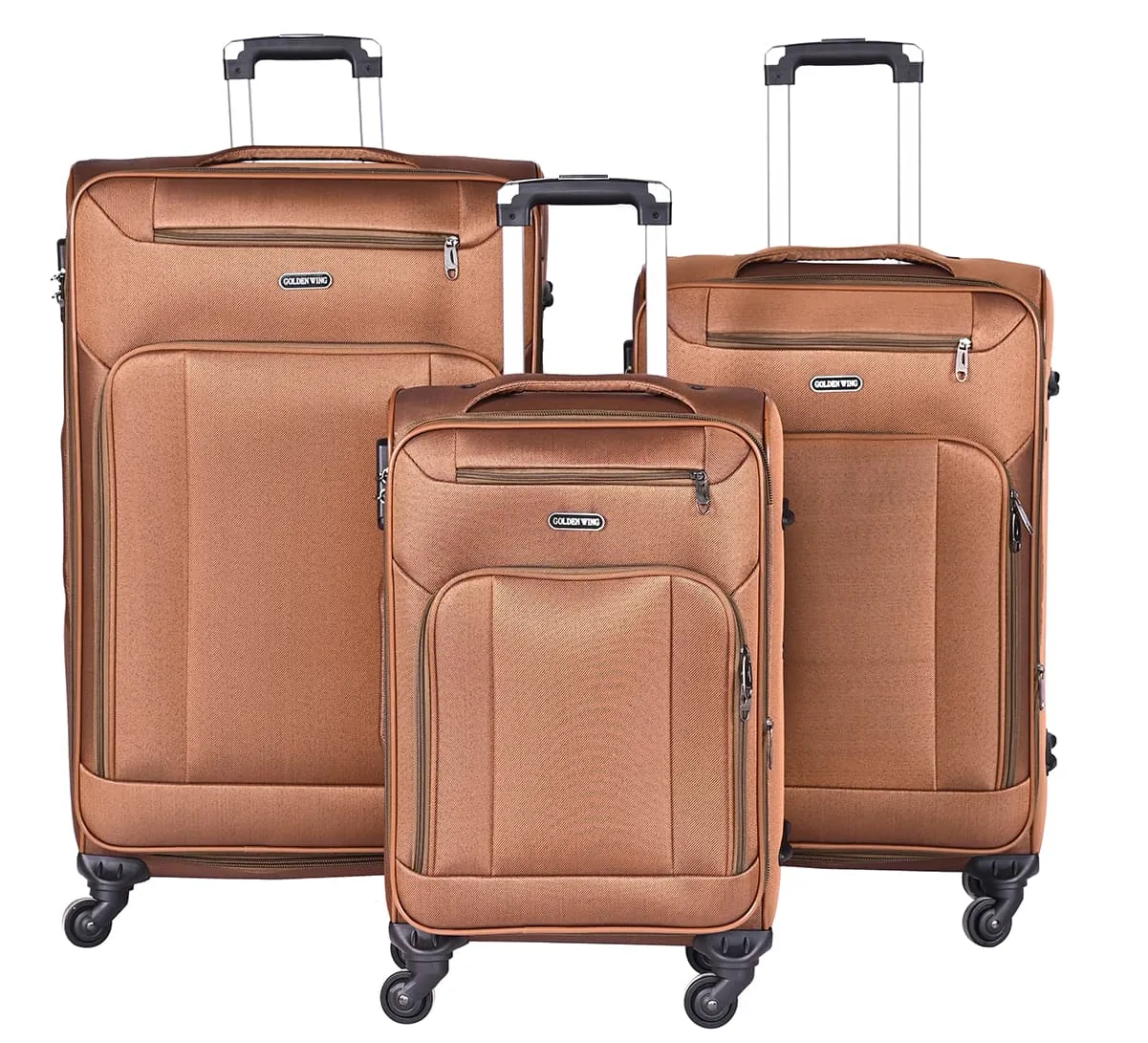
Rigid units appear sharp, but they miss outside usefulness. Upon reaching a safety station and requiring fast removal of a computer or a transparent pouch of fluids, a stiff unit compels you to unfold the whole container on the ground. An Oxford suitcase handles this issue with ease. Constructed with several full outer compartments, it permits riders to place coats, books, and trip papers directly on the surface. This speedy entry serves as a key factor in why work travelers choose cloth styles.
The Engineering Behind the Modern Oxford Suitcase
You may recall the weak cloth containers from years past that ripped without effort and dropped their form gradually. At present, plant output levels have improved greatly. Current cloth units depend on thick substances and strengthened inner supports. These create travel goods that endure strong blows and rough climate equally well.
High-Density Fabric Performance
In discussions of present cloth units, we generally refer to thick-thread substances. The field commonly employs 600D or 1680D Oxford cloth. The “D” means denier, which shows the width and mass of the thread. A 1680D substance proves extremely compact. It offers strong defense against rips and holes. Moreover, builders now add targeted moisture-proof layers to the outside. Should you encounter a quick downpour while awaiting a cab, the liquid merely gathers and slides away from the cloth. Thus, it keeps your inside goods fully protected from dampness.
Internal Frame and Wheel Integration
The build strength of rolling baggage has experienced notable improvements too. Rather than dense metal rods, plants currently utilize light grid supports and plane-quality aluminum grips. These supports maintain the container steady even without contents. On top of that, the addition of 360-degree turning rollers ensures you avoid pulling a full unit after you. Instead, you roll it smoothly next to you along slim aircraft paths.
Comparing Softside Luggage to Hard Shell Alternatives
Buyers frequently stand in retail stores, debating whether to purchase a polycarbonate shell or a fabric design. While rigid cases offer a distinct visual aesthetic, real-world travel often favors the adaptable nature of fabric. Here is a breakdown of why fabric is winning back the market.
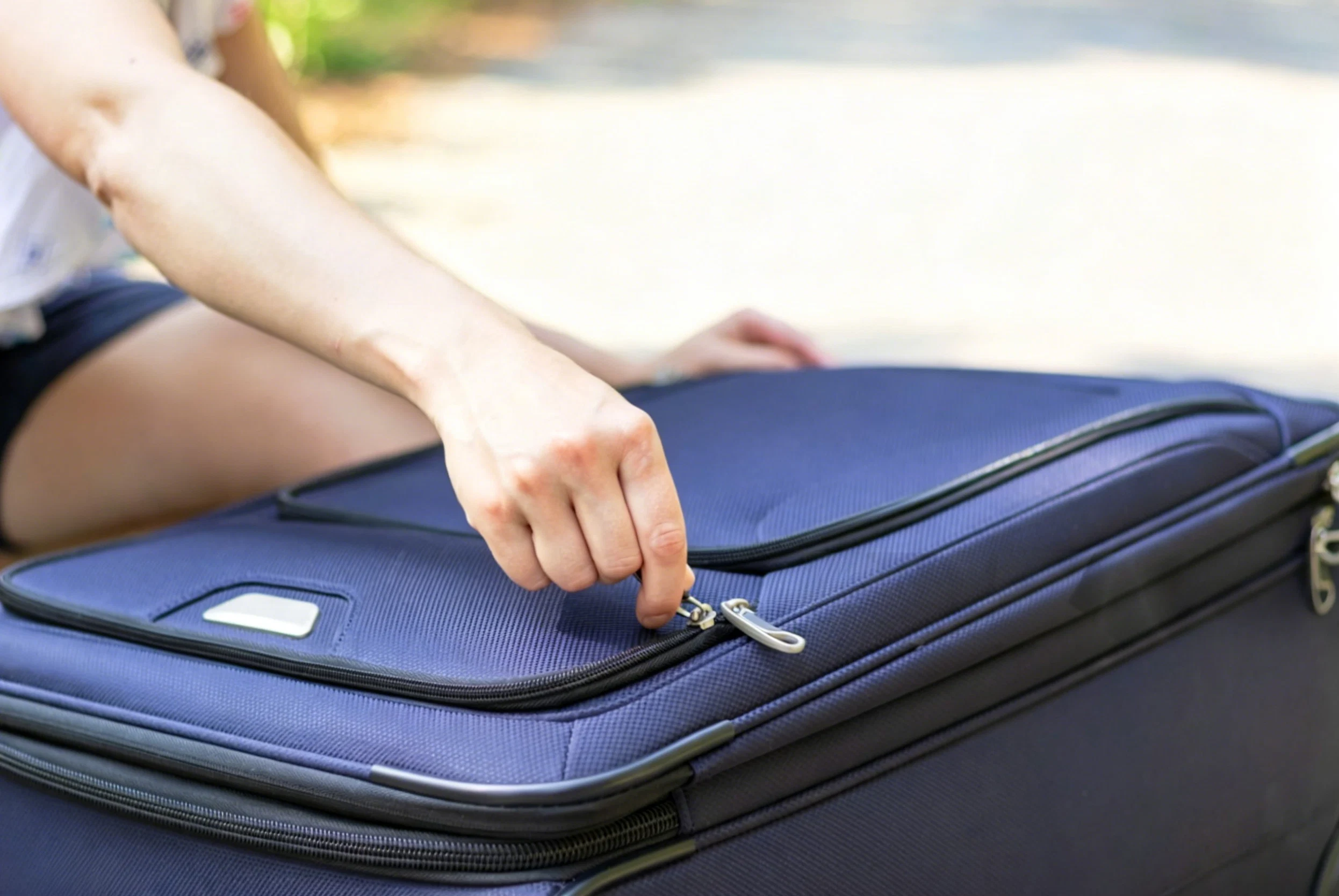
- Expandable Packing Space:Most fabric models feature an expansion zipper that releases an extra 2 to 3 inches of depth. When you buy souvenirs on your trip and need just a little more room to get everything home, this feature becomes invaluable. Hard cases with expansion zippers exist, but their rigid nature makes them difficult to close when overpacked.
- Scratch and Scuff Resistance:Baggage handlers throw bags. They slide across rough concrete and get shoved into tight cargo holds. A glossy hard case will show permanent white scratches after a single flight. Oxford material absorbs these impacts and hides scuffs remarkably well, keeping the bag looking new for years.
- Storage in Tight Spaces:Think about a standard European hotel room or a small cruise ship cabin. Space is limited. A hard case opens like a clamshell, requiring a large flat surface to access your items. Soft bags feature a top-lid opening. You can lean the bag against a wall or place it on a small luggage rack, flip the lid up, and easily reach all your clothes.
Sourcing the Right Travel Bags for Your Brand
For retail brands and wholesale distributors, keeping up with changing consumer preferences requires a responsive manufacturing partner. Sourcing high-quality fabric cases directly from experienced producers creates a significant advantage in both pricing and product development speed.
Customization and Manufacturing Power
To distinguish yourself in the tough baggage field, you must supply distinct elements and steady excellence. Here, linking with a primary maker turns vital. Sites that deliver ful OEM and ODM manufacturing let labels set precise details. You pick the exact substance thickness. You adjust the inside cover. You select the roller systems. You also mark the fittings with your firm symbol. This degree of oversight leads to better earnings and firmer buyer commitment.
Meeting Demand with Trending Luggage Sets
Consumers rarely buy just one suitcase anymore. Families and frequent flyers prefer matching sets that cover different trip lengths. The standard 3-piece configuration—usually featuring 20-inch, 24-inch, and 28-inch sizes—is a dominant force in current luggage trends. Sourcing new trending travel luggage sets directly from a reliable China factory gives wholesale buyers the ability to offer premium, coordinated products at highly competitive price points.
Conclusion
The continuing changes in baggage patterns indicate plainly usefulness, endurance, and wise layout. Although rigid units enjoyed their time in focus, oxford trolley bags return strongly for valid causes. They provide regular passengers the added compartments required. They withstand the unsightly marks typical in terminal movement. They also preserve valuable mass at the registration point. For sellers and bulk purchasers, teaming with a skilled plant to make these sought-after pieces counts as a wise trade step. No matter if you seek dependable supply or tailored layouts for your label, connecting with a seasoned maker changes everything. We invite you to contact Pengteng today to discuss your next successful product line.
FAQs
Q: Why is softside luggage getting popular again?
A: It offers flexible packing space, convenient exterior pockets, and hides travel scuffs far better than hard plastic alternatives.
Q: Are oxford trolley bags water-resistant?
A: Yes, modern options use high-density fabrics treated with water-resistant coatings to protect your belongings from light rain.
Q: Can I order customized travel bags for my brand?
A: Absolutely. Factories like Pengteng provide custom OEM and ODM services to create sets that meet your brand requirements.
 consult
 WHATSAPP
 leave message
 top
top