





Why Telescopic Handle Luggage Fails Under Load Structural Insights
Why Telescopic Handle Luggage Fails Under Load Structural Insights

Professionals in the luggage industry often deal with key problems tied to telescopic handles. Travelers frequently mention that these handles snap, twist, or stick, particularly amid airport moves or while pulling heavy bags. The growing need for light but tough luggage makes this even harder. To hit weight-cutting targets, makers might thin out materials or switch to other composites. This can accidentally create weak spots in the structure. For instance, slimmer aluminum tubes could cut down on weight but weaken stiffness when pulled out under pressure.
Furthermore, as buyers want smooth operation in all sorts of travel situations—from bumpy stone paths to upper storage spots—the design task grows tougher. Making sure the handle setup handles sharp jolts, uneven weight spread, and many back-and-forth slides turns into a key need for product dependability.
Why is structural analysis essential for ensuring luggage reliability?
To tackle these issues, structural analysis holds a major place. Engineers and creators need to check stress areas, fatigue endurance, and shape changes to spot likely failure spots. A handle that works perfectly in a display room might give out after just a couple of airport trips if its build ignores everyday load conditions. Insights from structure let groups mimic moving forces, refine shape details, and pick materials with top strength-to-weight balances—crucial actions in boosting both lasting power and buyer joy.
What are the critical structural components of a telescopic handle system?
The main building block in telescopic handle luggage is the tube group itself. Aluminum alloys get picked for their great strength-to-weight balance and fight against rust. Yet, changes in alloy mix and hardening steps right away impact pull strength and bendability. Boosted plastics give less weight but might miss the firmness required for tough jobs. Stainless steel brings top-notch toughness but piles on a lot of heft—which makes it less suitable for flights where bag weight matters a ton. So, smart material choice is not just about price. It also stands as a big decider in lasting quality and how users feel about it.
How does locking mechanism design influence load distribution and stability?
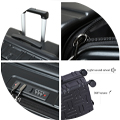
Locking setups usually fit inside the telescopic tubes with either inner pins or spring-based buttons. These parts face ongoing mechanical strain from opening, shutting, and side pushes while traveling. Bad setup or feeble holding springs can cause loose fits, leading the handle to fold in without warning. Also, when bags get hoisted from one edge or pulled over rough ground, strain builds up near the lock spots. Without even spread of load routes, these zones turn into prime failure areas. A solid build must thus guarantee balanced force flow through the whole telescopic unit.
Why is chassis integration at the mounting base a point of structural concern?
The handle mounting base links the telescopic unit to the luggage body. If this spot misses strong backup—like several fasteners or spread-out plates—it could shake under constant strain. As time goes on, bolts might come loose or split the nearby body material if not fixed well. Feeble links between the handle base and luggage skeleton lead to shakiness. This hurts not only ease but also safety in use. On top of that, a properly linked chassis ought to soak up bumps from turning wheels and stop them from reaching the handle setup—a trait often skipped in cheaper versions.
What are the most common failure modes in telescopic handles?

Bending usually happens when side forces go beyond the material’s yield point. For example, if someone grabs the suitcase from the side with the handle stretched out, the open part can bend past its flexible range. With time, ongoing bending starts tiny breaks that build up into clear twists or total breakdown.
What causes jamming or misalignment during extension and retraction?
Handles tend to stick from outside dirt like grit or inner rust from damp air. Weak cutting accuracy or uneven tube sizes make this worse by letting parts rub during slides. In lots of instances, low-quality making leads to rough edges or bumpy faces that grind together—blocking easy moves.
Where do fractures typically initiate under stress?
Break points often start at strain buildup areas like bolt openings or pointed edges in the handle build. These spots serve as starters for crack spread, mainly under quick hits or if too much weight is added. Without smooth rounding or backup, even small flaws can grow into major collapses.
Which design decisions increase the likelihood of failure?
Skinnier walls can aid in dropping weight but sharply cut down on build strength under squeezing or twisting. In cases like piling up several suitcases or hoisting a packed one from a slant, these tubes easily cave in or get dents—forever harming how they work. Signs include wobbling when extended, visible bending under minimal load, difficulty retracting smoothly, or audible clicking sounds indicating misalignment.
Why is reinforcement at connection points so important?
Links from handle to frame face focused strain in every shift. If these areas lack support pieces—like side bars or support sheets—the nearby material wears out fast. This brings not only build tiredness but also bothersome shaking that cuts user trust.
What happens when luggage shell design fails to manage load paths effectively?
The outer body needs crafting to shift strains away from vital joins like the handle attach point. Bad body layout traps pressure near attach areas, causing splits or bends under ongoing use.
What engineering upgrades can improve longevity and performance?
Switching to high-pull aluminum alloys or fiber mix tubes raises build solidity without piling on weight. These options stand up to lasting shape changes even in hard settings like bumpy ground pulls or heavy stacks. Twin-locking setups that use toughened steel pins stop surprise folds by giving extra hold spots. Paired with spring-helped pull-back systems, folks gain from easier shifts and less hand strain—an ease gain that also betters lineup steadiness.
What structural reinforcements should be applied at mounting interfaces?
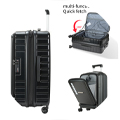
Attach zones gain a lot from multi-rivet sheets that spread power over a wider face—cutting spot-load breaks at bolt spots. Adding bump soak areas in the luggage frame aids in easing wheel shakes before they hit the handle unit. This kind of build care shows up in top product ranges such as China factory luggage extension handle retractable handle push button handles, which blend these traits for both toughness and ease.
Who can you trust for rugged and dependable luggage components?

For more than twenty years, Pengteng has focused on tough luggage setups with a firm stress on part-level building. Their drive for top quality covers research and development, exact tools, and strict check steps. By giving OEM/ODM tailoring and using cutting-edge materials—including ABS+PC composites and aluminum-magnesium alloys—they make items fit for harsh travel spots. Specializing in luggage and bags for over 20 years, Pengteng provides a complete set of services from research and development to product support. Their skill in full design makes sure each suitcase is not only good-looking but made with build solidity right at the heart.
What product offerings support demanding travel scenarios?
Their lineup shows many telescopic styles built for best toughness in work and fun travel cases—from light frames with two-tube help to backed extension handles with rust-fight finishes. These fixes come with both looks and use in view—making sure simple carrying without cutting on power.
Addressing Structural Weaknesses to Improve Reliability
Full breakdown checks find weak spots in telescopic handle setups—often zeroing in on materials, fits, and put-together joins. Backing these parts not only lifts toughness but also raises buyer happiness by cutting trip-time breakdowns. Makers who put mechanical soundness first while matching look design stand better to match shifting buyer hopes for high-end travel tools.
What advancements will shape the future of durable luggage?
Gains in mix material knowledge and model-based build mechanics will push fresh ideas in luggage crafting. Team-ups between OEM creators and part providers like Pengteng will keep bringing real-life fixes tuned for work, safety, and lasting time.
FAQ
Q1: What causes telescopic handles to jam during use?
A1: Jamming is typically caused by debris accumulation, corrosion inside the tubes, or poor manufacturing tolerances that lead to misalignment between segments.
Q2: How can I identify if a telescopic handle is structurally weak?
A2: Signs include wobbling when extended, visible bending under minimal load, difficulty retracting smoothly, or audible clicking sounds indicating misalignment.
Q3: Are dual-tube handles more reliable than single-tube designs?
A3: Yes, dual-tube designs offer better load distribution and increased stability, reducing the likelihood of bending or failure during travel stresses.
 consult
 WHATSAPP
 leave message
 top
top