





Airline CarryOn Rules 2026: Size, Weight & Enforcement You Must Know
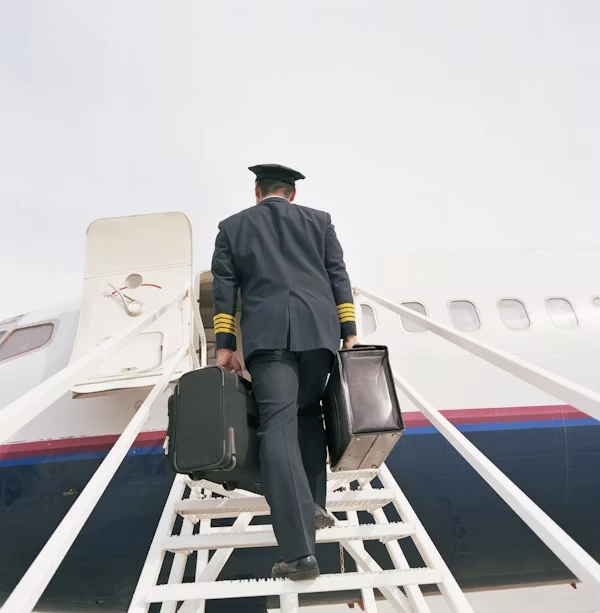
Airline travel looks simple at first. A bag that passed without trouble last year may now face closer checks at the gate. A power bank left inside a checked suitcase may need removal. A carry-on that looks small in photos may still fail the airport sizer once wheels and handles are counted. At Pengteng, we see this change clearly.
Carry-On Size: The First Rule Travelers Should Check
Before thinking about color, wheels, or storage, travelers should check carry-on size. This step comes first because it decides whether a suitcase stays in the cabin. Many common carry-on limits sit near 56 × 36 × 23 cm. The measurement includes wheels and handles. Some airlines allow a little more room. Others allow less.
Why Wheels and Handles Count
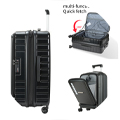
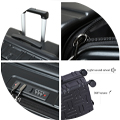
A suitcase does not enter the aircraft as only a shell. It enters with wheels, handles, corner guards, and sometimes front compartments. These parts can push the bag over the accepted carry-on size.
Travelers should check several points. They need to measure total height from wheels to top handle. They must note total width including side handle. They should check total depth when packed. They also need to see whether the bag still fits after using expansion zippers. They must consider whether soft items make the bag bulge.
Why a 20-Inch Suitcase Is Often Safer
For many travelers, a 20-inch suitcase is a safer carry-on option. It is usually easier to lift. It rolls more smoothly. It fits overhead bins with less effort. It also works well for short business trips, weekend travel, student travel, and light vacation packing.
At Pengteng, our travel luggage development pays close attention to size, weight, and real travel use. Our goal is not only to provide a suitcase that looks good. Our products must also support better movement through airports, hotels, stations, and city streets.
Baggage Weight Limit: Why Lightweight Luggage Matters
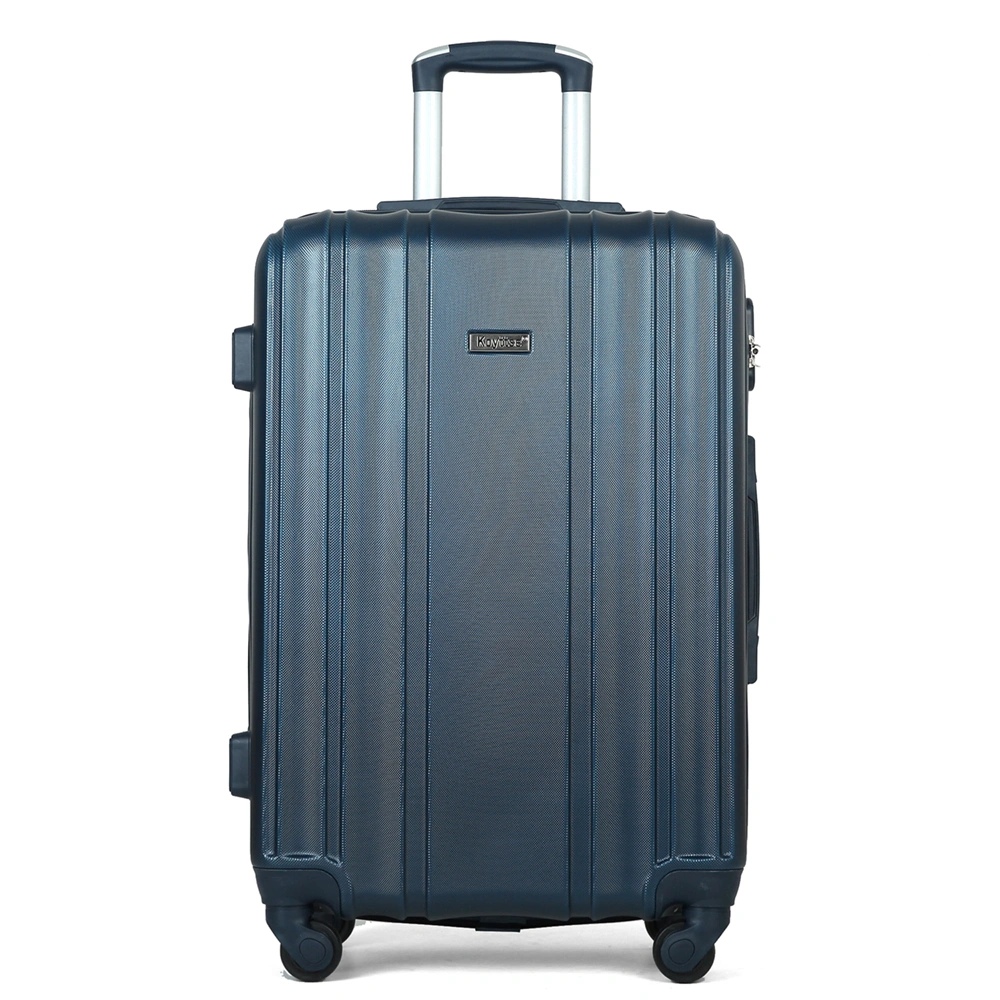
Empty Weight Affects Packing Freedom
If the suitcase weighs 5 kg empty, the traveler has only 18 kg left for personal items. If the suitcase weighs 3.8 kg empty, the traveler gains 1.2 kg of extra packing room. That margin can hold a pair of shoes, a jacket, or several travel items.
This matters for several groups. Business travelers carrying samples benefit. Families packing for children gain flexibility. Students moving between cities find the extra space helpful. Long-distance travelers with winter clothing appreciate the room. Retail buyers comparing luggage sets notice the difference. Travel brands planning product lines also value this detail.
The same logic applies to carry-on luggage. A lighter bag is easier to lift into overhead bins. It is also easier to carry through long airport corridors.
Materials Make a Big Difference
Different materials affect luggage weight, strength, price, and feel. ABS, PC, ABS+PC, PVC, PP, aluminum alloy, and fabric all serve different needs. There is no single best material for every traveler.
PC and ABS+PC can offer a stronger balance between weight and impact resistance. PVC can support stylish surface design and scratch resistance. PP can be useful for lightweight needs. Fabric luggage can offer flexible packing.
At Pengteng, our product range includes ABS luggage, PC travel cases, PVC luggage, PP luggage, and fabric options. For buyers comparing airline luggage, this variety helps match the product to the traveler’s budget, trip length, and packing style.
Checked Bag Rules Still Matter for Carry-On Travelers
What to Remove Before Gate Checking
If a carry-on bag is moved to checked baggage at the gate, travelers should remove spare lithium batteries and power banks. Important documents, passports, money, laptops, medicine, and fragile electronics should also stay with the passenger.
A good packing habit is to keep these items in a small inner pouch or personal bag. That way, if gate enforcement leads to checking the suitcase, the traveler can remove key items quickly. There is no need to open the whole case on the floor.
Useful items to keep accessible include passport and travel documents, wallet and cards, power bank, phone charger, laptop or tablet, medicine, keys, important business papers, and fragile electronics. This is where interior design matters. A suitcase with clear sections, inner pockets, and stable straps can make airport changes easier.
Checked Luggage Needs Strength and Balance
Checked luggage faces rougher handling than cabin luggage. It may move through conveyors, carts, loading areas, and baggage claim systems. For this reason, checked bag rules are not only about size and weight. They also remind travelers to choose stronger suitcase construction.
A checked suitcase should have strong corner support. It needs reliable wheels. It requires a stable handle system. It should feature a durable zipper or frame. A scratch-resistant shell helps. Good interior straps add security. A secure lock design completes the build.
Our Pengteng JY-K99287 waterproof PC travel case is one example of a travel case designed for business and vacation use. It features ABS+PC material, built-in TSA lock, waterproof and scratch-resistant surface, and multiple sizes for different trip needs.
How Pengteng Designs Luggage for Airline Travel Needs
Travelers want luggage that helps them move with less stress. Retailers and distributors want products that can meet real buyer concerns. In 2026, airline luggage must answer several questions at once. Does it fit? Is it light enough? Can it handle checks? Does it move well? Can it support different routes and users?
At Pengteng, we build our luggage range around these practical questions. We do not treat airline carry-on rules as a small detail. They guide product thinking, from shell material to wheel choice and from interior layout to custom branding.
Multi-Size Luggage Sets Support Different Trips
A 20/24/28-inch luggage set is still a strong choice because it covers several travel needs. The 20-inch suitcase often works for carry-on travel. The 24-inch suitcase suits medium trips of around 4–7 days. The 28-inch suitcase is better for long trips, family travel, or checked luggage use.
OEM and ODM Services Help Brands Meet Market Needs
We provide Pengteng custom luggage solution services for business buyers. Our OEM and ODM support can help develop luggage products for airline travel, business trips, family travel, retail programs, and promotional markets.
Customization may include logo design, color selection, packaging design, material choice, product size planning, wheel and handle selection, lock and zipper details, and sample development. In a market shaped by airline carry-on rules, this flexibility matters. A well-planned suitcase line can answer both user needs and retailer sales goals.
Conclusion
Airline travel in 2026 gives travelers less room for luggage mistakes. Airline carry-on rules, carry-on size, baggage weight limit, gate enforcement, checked bag rules, and carry-on policy all affect the trip before boarding even begins. The right suitcase should be light, well-sized, easy to roll, secure, and simple to organize. For travelers, this means fewer delays and fewer surprise fees. For business buyers, it means stronger products and better customer trust. At Pengteng, we provide practical luggage choices and custom solutions for modern airline travel needs.
FAQs
Q: What carry-on size is safer for most airline travel in 2026?
A: A 20-inch suitcase, about 35–45 L and 2.5–3.5 kg, is safer.
Q: What baggage weight limit should checked luggage usually follow?
A: Many checked bags should stay within 23 kg and 158 cm total size.
Q: How large is a 24-inch suitcase for medium trips?
A: Most 24-inch suitcases offer about 60–75 L for 4–7 days.
 consult
 WHATSAPP
 leave message
 top
top