





Overhead Bin Luggage Rules: How to Ensure Your Carry On Fits Every Airline
Flying is always exciting. However, with that comes a bit of ‘reality’ to traveling by air and that is to deal with your luggage. Most passengers have encountered difficulties confirming whether their carry on luggage would fit in the overhead bin of an aircraft. Even though different airlines operate on the same piece of metal in the air, each has its own set of rules for governing ‘airline approved luggage’. By knowing the luggage rules of the different airlines and we provide some handy packing tips, you can avoid having to pay extra for checked luggage and the inevitable delay that follows. We also take a look at the luggage that the team at Pengteng recommend to aid a smooth trip.
Understanding Airline Carry On Luggage Size
Each airline will specify their own maximum dimensions for carry-on baggage. These can sometimes change depending on the flight, cabin and even route. For example, the majority of airlines will permit a maximum size of 22 x 14 x 9 inches (56 x 36 x 23 cm) including any wheels and handles. However, low cost carriers and aircraft with smaller cabins will specify tighter restrictions.
Most travelers don’t realize that wheels and handles have to be counted when you’re measuring up a bag. Even a bag that looks quite compact can turn out to be too large to be allowed as hand luggage. But if you travel with airline approved luggage then you can rest assured that it meets the dimensions of the overhead bin of your airplane and thus in most cases you can avoid gate checking of your luggage.
When selecting a carry on, focus on three points:
- Dimensions: Measure height, width, and depth with handles and wheels included.
- Weight: Most airlines cap carry on weight at 7–10 kg (15–22 lbs).
- Material: Lightweight ABS or polycarbonate helps satisfy both size and weight rules.
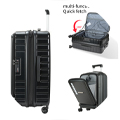
Pengteng’s 20 inch carry on luggage has the compact size, strong ABS quality and TSA approved locks to satisfy your needs for travel.
How to Maximize Overhead Bin Space
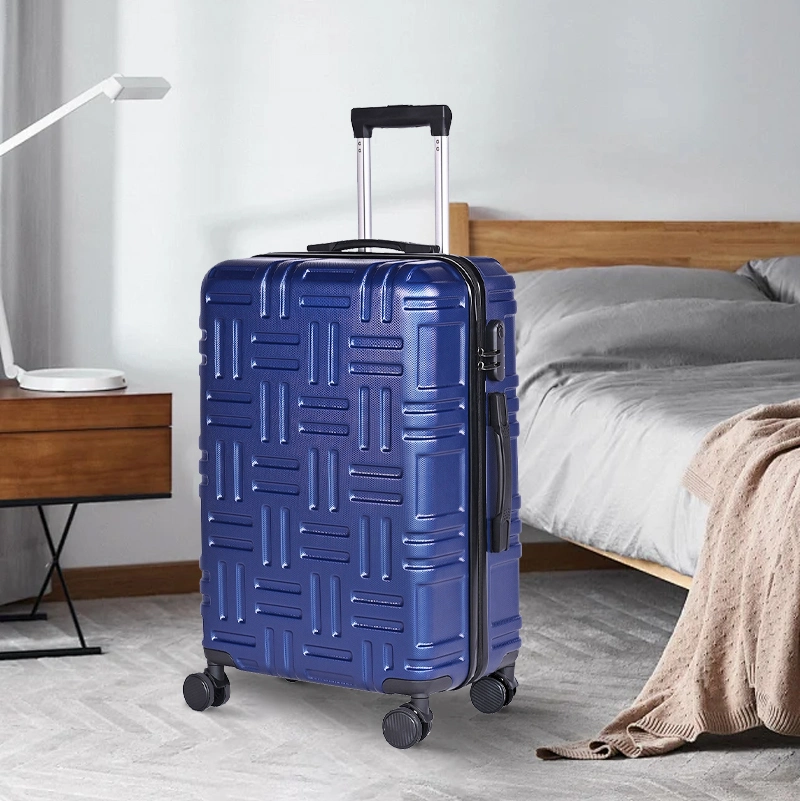
A bag that meets compliance requirements may still be too large to fit in the overhead bin on a crowded flight, as there are different size bins on different planes and flight crew strictly enforce packing rules during boarding. By using effective packing methods, one can increase the chances that the bag will fit smoothly in the bin.
Tips for Efficient Packing
- Use packing cubes: Keep clothing organized and use space well.
- Roll clothes: Rolling reduces wrinkles and frees additional room.
- Distribute weight evenly: Place heavier items at the base for better balance.
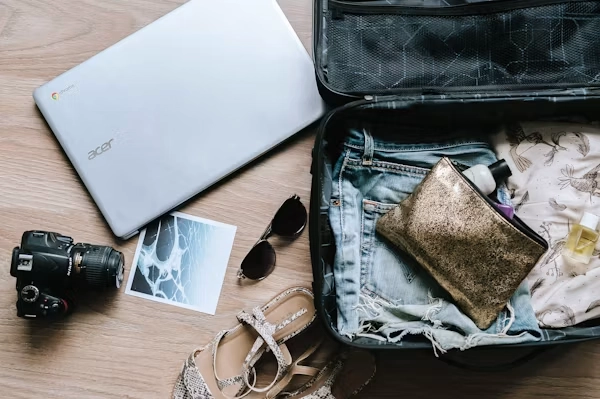
- Keep essentials in a personal item bag: Store laptops, documents, and small electronics in a separate bag.
Pengteng lightweight carry on luggage is a great piece of luggage for the frequent traveler. The luggage has a number of structured compartments, plus has smooth wheels, which allows the case to fit in most overhead bins without any problems.
Airline Luggage Rules for Checked Baggage
Rules for checked baggage also need to be considered. As this article focuses on carry-on baggage, knowledge of the maximum allowed for checked baggage can avoid unexpected fees. Airlines usually allow up to 23 kg (50 lbs) per piece of baggage as well as a total dimension of 158 cm. Excess baggage is then charged for.
Pengteng 24 inch / 28 inch luggage set is suitable for long journeys. The suitcases are hard-wearing and large enough, but still within the limits of most airlines. The same colors and design make it easy to recognize your luggage at the baggage claim.
Selecting TSA Lock Luggage
Security is still a major concern while traveling. Airline companies have now started requiring TSA-approved locks for travelers’ checked luggage. These locks allow airport security to inspect luggage contents without having to cut the lock or damage the suitcase.
- TSA-approved luggage speeds up security screening.
- It prevents damage that can occur when locks are forced open.
- It offers added security for valuable items inside the bag.
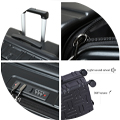
Pengteng’s TSA lock luggage feature combines security of a lock with compliance to airline’s carry on size limit and durable construction for frequent usage.
Personal Item Bag: More Than Just a Backpack
Airlines permit one personal item alongside carry on luggage. This item may be a backpack, handbag, or laptop case. Size rules for personal items are sometimes stricter than expected and can lead to gate checks if ignored.
To use the personal item allowance effectively:
- Select a compact bag that fits under the seat ahead.
- Keep passports, chargers, and snacks within easy reach.
- Avoid overfilling; excess size or weight may trigger fees.
Pengteng is supplying personal item bags that are specifically designed to be able to fit under the seat in front. Made from lightweight material, they have been designed with plenty of useful compartments.
Smart Strategies for Multi-Trip Travelers
Frequent travelers can experience different rules for the same program across airlines. The following steps will aid in trying to stay compliant with your program.
- Check each airline’s carry on dimensionsbefore booking.
- Invest in versatile luggagethat satisfies the strictest standards.
- Keep a lightweight, expandable carry onavailable for extra items.
Packing for Different Travel Scenarios
Short Domestic Flights
- Use a compact 20 inch carry on.
- Pack minimally: 2–3 outfits plus essentials and electronics.
- Add a small backpack or handbag as the personal item.
Long International Trips
- Choose 24 inch or 28 inch luggage for checked baggage.
- Carry a TSA-approved lock bag for valuables.
- Use a personal item bag for electronics and documents.
Business Travel
- Select a sleek, lightweight carry on with organized sections.
- Add a separate garment bag for suits or dresses.
- Carry a personal item bag for the laptop, chargers, and documents.
Pengteng products cater to the following scenarios and more. For short trips, the 3 piece luggage sets function well as a carry on luggage by using 1 Large Suitcase and 1 Small Duffel Bag, while for longer trips, the traveler can replace the Duffel Bag with a Checked Luggage of similar style to maintain the 3 piece set look.
Luggage Weight Limit Considerations
Strict weight restrictions are generally applied by low-cost carriers. Weight must be reduced by the following methods.
- Weigh luggage with a scale before heading to the airport.
- Pack only essential items and limit heavy souvenirs.
- Choose lightweight luggage to leave more weight allowance for contents.
Pengteng’s lightweight luggage including carry on luggage and checked luggage enable the traveler to stay within the airline’s weight restrictions while packing plenty of clothes.
Conclusion
Pengteng makes choosing your correct size carry on luggage easy and reduces stress by knowing your overhead bin space ahead of time and by buying only airline approved luggage. Our wide selection of luggage is specifically designed with travelers in mind. We offer a 20 inch carry on, luggage with TSA locks, expandable luggage, and even a 3 piece set of luggage. All of which are not only compliant with the airline carry on luggage policy but also very stylish and allow you to pack for business or a leisurely trip in the most efficient manner possible. See our entire line of luggage here and take the stress out of your next trip!
FAQs
Q: What is the maximum size for airline approved carry on luggage?
A: 22 × 14 × 9 inches including wheels and handles is typical.
Q: Is TSA lock luggage acceptable for use with both your carry on and checked baggage?
A: Yes. Most airlines accept luggage with a TSA lock on both carry on and checked bags.
Q: How much should my carry on luggage weigh?
A: Generally, most airlines allow maximum 7–10 kg (15–22 lbs) for carry on luggage.
 consult
 WHATSAPP
 leave message
 top
top