





How to Choose a Luggage Bag for 2026: Size, Weight, Materials, and Travel Rules
Choosing a luggage bag is no longer a simple choice between a small suitcase and a large one. Travelers now face tighter cabin limits, more concern about baggage weight, changing battery rules, and stronger demand for products that last. Retailers and private-label buyers also need luggage that looks current, performs well, and fits different travel habits.
At Pengteng, we make travel luggage for quick trips, work travel, family holidays, and long tours. Our line has hard shell luggage and mixed size sets. We offer handy insides, spinner wheels, locks, and custom choices. This guide shows how to check the main features that matter most in 2026.
Start With the Trip, Not the Appearance
A pretty suitcase might catch your eye. However, the right luggage bag must fit your actual trip first. A weekend tourist, an overseas student, and a busy business flyer do not pack the same things. Before you look at luggage bag size, colors, or shell designs, figure out your trip length. Decide how you will carry the bag. Think about how often you will use it.
Match Capacity to Travel Length
Room inside matters more than outside height alone. Two cases with the exact same height can have very different interior space. Here is a handy guide:
- 20-inch carry on luggage bag: usually holds 30–45 L. It is great for 2–4 days.
- 24-inch luggage bag: usually holds 60–75 L. It is fine for 5–8 days.
- 28-inch checked luggage: usually holds 90–110 L. It works well for huge trips or sharing space.
Wheel bases, handles, lining, and shell curves change the usable space. Because of this, check the inside layout along with the official sizes.
Check Airline Limits Before Packing
Cabin baggage rules change based on the airline, the route, and the ticket type. TSA tells flyers to check carry-on sizes right with their airline. These rules are not identical everywhere.
Because of this fact, a small and lightweight luggage bag is still a top pick for busy flyers. A smart 20-inch model with a flat inside floor, tight straps, and slick wheels gives you handy space without extra bulk.
Balance Lightweight Construction With Daily Durability
Weight is now a huge buying point. A heavy empty case takes away room for clothes, shoes, gadgets, and gifts. But if you cut weight without keeping strength, you get broken corners. You might see bent handles, broken zippers, or wobbly wheels. The smart goal is a lightweight luggage bag made to handle rough daily use.
Compare Common Hard Shell Materials
Different materials fit distinct price points and travel needs. Pengteng gives you many luggage material choices in our luggage bag product range.
- ABS: cheap, simple to mold, and good for budget luggage lines.
- PC+ABS: mixes the easy shape of ABS with extra bend and crash safety.
- PP: famous for being tough and bouncy. It does well under heavy stress.
- Polycarbonate: light and flexy. It fits items that need a sleek finish and solid safety.
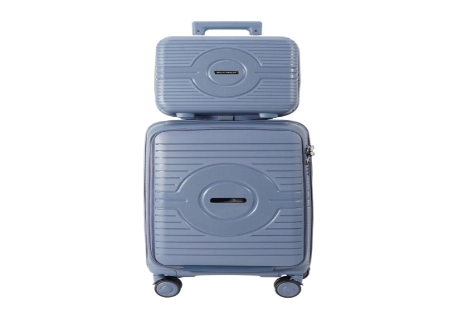
Our PC+ABS luggage collection has models built with expanding room, quiet wheels, locks, and tough skins. They come in travel-ready sizes. Our PP luggage options have 20/24/28-inch sizes, front-opening styles, spinner wheels, and handy pockets.
Inspect the Parts That Usually Fail First
A tough luggage bag needs more than just a strong shell. Buyers must check the whole moving and lifting setup.
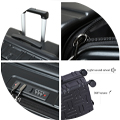
- The pull handle must slide easily and stay firm.
- Spinner wheels must spin freely when packed heavy.
- Grab handles must feel safe at every joint.
- Zippers must zip around edges without sticking.
- Locks must be simple to use and stuck on tight.
- Inside straps and walls must hold gear tight.
These small parts change reviews, returns, and repeat sales. They shape the long-term name of a luggage brand.
Choose Features That Solve Real Travel Problems
People travel and now care a lot about ease. They want fast ways to get gadgets. They need better ways to split clothes. They want easier rolling in stations and less noise on bare floors. A handy luggage bag must fix tiny daily snags. It should drop features that look cool but do not help much.
The best picks tie one helpful feature to one normal problem. This link makes the item’s worth very easy to explain.
Look for Practical Interior Organization
A smart inside should make packing simple from day one. It must also hold things tight after the bag gets tossed, lifted, or checked in. Good parts include these things.
- Zip walls to split fresh and dirty clothes.
- Tight straps that stop sliding inside the case.
- Net pockets for cords, papers, and tiny gear.
- Wet or easy-clean spots for soap and paste.
- Front pockets for laptops or boarding passes.
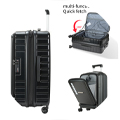
Front-opening luggage is highly vital for work and city trips. It gives faster entry at gates, in hotel rooms, and in tight spaces. Still, this pocket must not eat up too much of the main packing zone.
Prioritize Smooth and Quiet Movement
Four-wheel spinner setups are still huge. They let you push the bag straight up and turn tight corners. Wheel quality still jumps all over the place. A sturdy wheel setup must stay smooth when the luggage bag is stuffed. It must roll over tiny floor cracks without shaking hard and avoid loud noises.
Handle height matters a lot too. A short handle can force tall folks to drag the case at a bad tilt. Many lock spots can make a single model right for a wider group of buyers.
Treat Battery Features With Care
Smart travel gear still grabs eyes in the market. But battery safety rules get more strict now. IATA notes that smart bags with battery power are mostly fine only if you can take the battery out. FAA rules also state extra lithium batteries and power banks must ride in carry-on bags, not in checked luggage.
Travelers must check the battery setup before they go to the airport. Store buyers must skip fixed battery units that might make a bag banned from flights.
When you design a custom luggage bag with charging, tracking, or tech tools, follow these rules.
- Use a battery you can clearly take out.
- Print the watt-hour score on the battery.
- Make pulling it out easy without any tools.
- Give plain travel and charging guides.
- Tell buyers to check their flight’s specific rules.
For wide global sales, a basic luggage bag with no built-in power is often much easier.
Build Sustainability Around Product Life
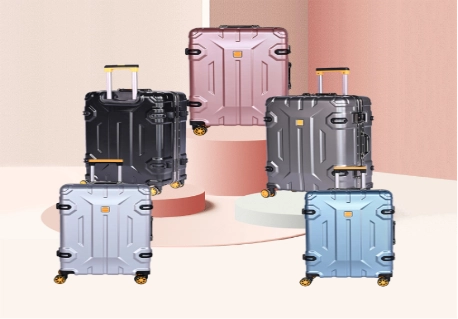
Green luggage has grown past vague eco claims. Buyers now hunt for tough materials, parts you can swap, safe packing boxes, and items that work well for years. In Europe, loop-economy and fabric-waste laws have spiked interest in reused stuff, fixing, and long product life.
A more eco-friendly luggage bag can be made through smart choices.
- Pick shells and cloths for a long lifespan.
- Use wheels, handles, and locks that you can swap out.
- Cut out useless layers and showy extra bits.
- Pick packing boxes that are smaller and simple to recycle.
- Test goods before big runs to drop flaws and trash.
Toughness is a big piece of being green. A case that lives through many trips often brings more real worth than a flimsy item you have to throw away fast.
Turn Market Needs Into a Clear Luggage Collection
For big sellers, importers, and travel brands, picking a skilled custom luggage maker is just as vital as picking the item itself. One hit model is rarely enough. A mixed line must cover different trip times, price points, and buyer types. At the same time, it must keep a steady visual brand look.
At Pengteng, our ODM/OEM luggage service helps with custom tasks for materials, shapes, colors, logos, and item design. Our broad service support also handles test samples, quality checks, factory help, and shipping details.
A smart starting line might have these choices.
- A 20-inch carry on luggage bag for fast trips.
- A 24-inch expanding hard shell luggage model for normal travel.
- A 28-inch durable luggage bag for massive journeys.
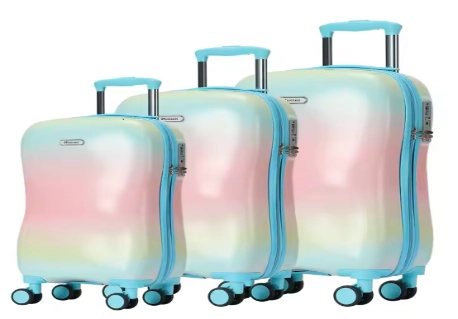
- A matching three-piece set for families and budget shoppers.
- A front-opening work model for laptops and files.
Before you lock in a line, name the end user. Pick the retail price. Select the best material. Set the order size, test rules, box styles, and support plan. Firm choices early on cut down on messy changes later.
Conclusion
The best luggage bag for 2026 is not defined by one fashionable feature. It should fit the trip, stay within likely baggage limits, provide useful capacity, move smoothly, and protect packed items through repeated travel. Material choice matters, but wheels, handles, locks, zippers, and interior structure are equally important. Battery-powered functions require extra care because removable batteries and cabin rules affect whether smart luggage can fly. Sustainability should also be practical, based on longer product life, replaceable parts, thoughtful materials, and less waste. At Pengteng, we bring these points together through varied luggage materials, travel-ready sizes, product development, and custom manufacturing support for buyers building dependable collections. This approach serves travelers and businesses seeking lasting market value.
FAQs
What luggage bag capacity suits a 3–5 day trip?
A 40–60 L luggage bag mostly works fine. This changes based on clothes, weather, and how you pack.
How heavy can a carry on luggage bag be?
Many flights allow 7–10 kg. However, you must check exact size and weight rules before you travel.
Which luggage capacity fits a one-week trip?
A 60–80 L luggage bag is mostly perfect for one person packing for seven days.
 consult
 WHATSAPP
 leave message
 top
top