






How to Choose Luggage Accessories for Smarter, Safer Travel in 2026
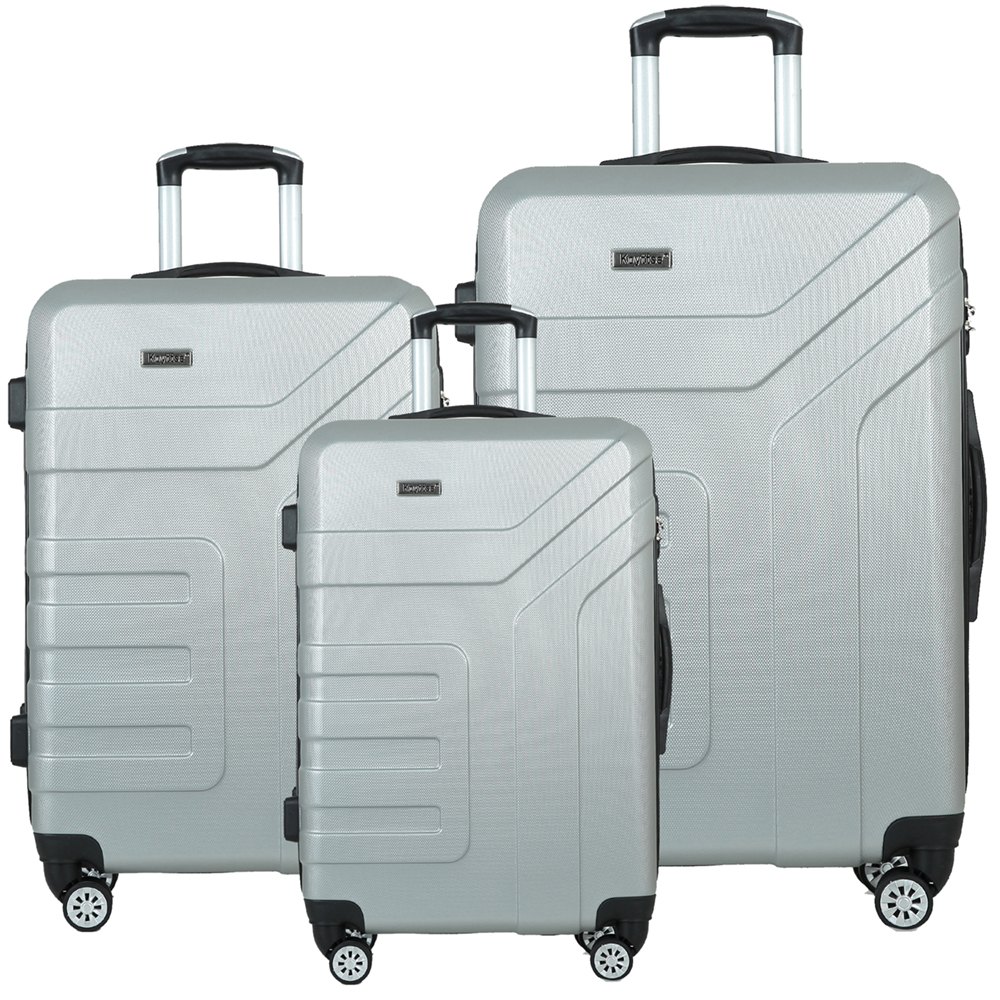
Travelers are asking more from every suitcase. A case must roll quietly through a hotel, fit changing airline limits, protect personal items, and remain useful after one part wears out. At the same time, smart features such as charging ports and tracking devices have made product design more complex. For luggage brands and buyers, the right luggage accessories are no longer finishing touches. They shape safety, comfort, repair costs, and the customer’s opinion of the whole case.
At Pengteng, we look at the suitcase as a working system. The shell matters, but so do the wheels, handle, pull rod, lock, and internal fittings. This guide explains how to select these parts for current travel habits without adding features that create more trouble than value.
Why Luggage Accessories Matter More in 2026
Frequent travelers now compare practical details before they compare decoration. They notice wheel noise on rough pavement, wasted space around a bulky handle system, and whether a worn part can be replaced. Recent interest in smart luggage adds another concern: a useful electronic feature still has to meet airline battery rules.
For product teams, four trends deserve attention:
Repairable design: Replaceable suitcase wheels, handles, and locks can extend the working life of a case.
Lighter packing: Buyers want capacity without paying an avoidable weight penalty at check-in.
Quiet movement: Smooth spinner wheels have become an everyday comfort feature, not a luxury detail.
Safer smart functions: Charging and tracking features must be designed around removable batteries and airline requirements.
The broad range of luggage accessories from Pengteng gives buyers a useful starting point for matching these needs to a complete suitcase design.
Build Around the Traveler’s Real Pain Points
A long feature list can look impressive on a sales page, yet customers remember the moments when a case fails them. A stuck pull rod during a transfer or a wheel that chatters across a station floor can damage trust quickly. Good product planning therefore begins with the journey, not the parts catalog.
Choose Wheels for the Surfaces People Actually Cross
Airport floors are only part of a trip. Suitcases also cross paving stones, carpet, platform gaps, and uneven sidewalks. Wheel diameter, tread material, bearing quality, housing strength, and mounting position all affect control. A wheel that performs well in a showroom may feel very different with a fully loaded 80 L case.
For carry-ons, low weight and easy turning usually matter most. Larger checked cases need stronger housings and stable movement under heavier loads. Removable designs also answer a common customer complaint: one damaged wheel should not end the life of an otherwise sound suitcase. Buyers can review our lightweight removable suitcase wheels when comparing repair-friendly options.
Before approving a wheel system, test it for:
Rolling noise on hard floors and textured surfaces
Straight tracking as well as 360-degree turning
Performance with the case loaded near its intended weight
Resistance to repeated drops, side impacts, and sudden direction changes
Access to screws or fittings during replacement
Match Handles and Pull Rods to the Case Size
The top grip, side grip, and telescopic pull rod carry different loads. Their positions should work together so the traveler can lift the case into a car, pull it through a terminal, and retrieve it from a baggage belt without twisting the wrist.
A suitcase handle should feel comfortable but also sit close enough to the shell to reduce snagging. The pull rod needs controlled movement, a reliable push button, and suitable height settings. Too much play makes a new case feel weak; too little clearance can cause binding after impact. Our replacement grip handle range helps brands compare forms for different case structures.
Treat Smart Luggage as a Safety Decision
Smart luggage accessories are popular because they answer real concerns: dead phone batteries, lost bags, and unwanted access. Yet electronics change the compliance picture. Industry guidance states that smart bags using lithium batteries for charging, GPS functions, or powered movement are accepted only when the battery can be removed, subject to the airline’s own rules.
Keep Power Removable and Easy to Identify
If a suitcase includes a USB charging port, the power bank should not become a hidden, permanent part of the case. It needs a clear removal path so the traveler can carry it in cabin baggage when required. Labels and instructions should show where the battery sits, how to remove it, and its watt-hour rating.
This detail matters at the airport. Spare lithium batteries and power banks belong in carry-on baggage, while airline limits may differ. A thoughtful design helps the user act quickly instead of opening a packed suitcase at the check-in counter. Pengteng offers combination locks with USB-port options, allowing buyers to plan the lock, port, wiring path, and removable power source as one system.
Add Technology Only When It Solves a Clear Problem
A tracker pocket can help travelers locate delayed luggage. A weight indicator may warn against overpacking. Neither feature should weaken the shell, crowd the internal space, or make repair difficult. Product teams should also avoid language that suggests every connected feature works everywhere; network support and airline policies can vary.
Ask three questions before adding any smart function:
Does it remove a frequent travel problem?
Can the customer use the suitcase normally if the electronic part stops working?
Can the battery or device be removed without special tools?
If the answer to any question is no, a simpler luggage accessory may offer better long-term value.
Balance Organization, Capacity, and Weight
Modern packing trends favor compression cubes, separate laundry storage, and small pouches for cables or toiletries. These items work best when the suitcase interior supports them. A flat packing area, restrained hinge structure, useful straps, and well-placed zipped sections make modular packing easier without forcing every traveler into one layout.
Capacity figures also need context. A 40 L carry-on may suit a short trip, while a 70–100 L checked case can serve longer travel. The final choice must still follow the airline’s size and weight limits. Extra dividers, thick linings, cup holders, and electronic modules all consume space or add weight, so each component should earn its place.
Useful interior and exterior luggage accessories may include:
Adjustable compression straps that hold clothing without crushing it
A removable wet or laundry pocket
A protected tracker pocket that remains easy to reach
A document sleeve for travel papers
A foldable cup holder for long waits, when its mounting does not affect balance
Clearly separated fittings that can be serviced after assembly
Brands can compare these ideas with our wider luggage and accessory product range, which includes hard-shell cases, organizer sections, locks, wheels, handles, and related parts.
Source Accessories as One Connected System
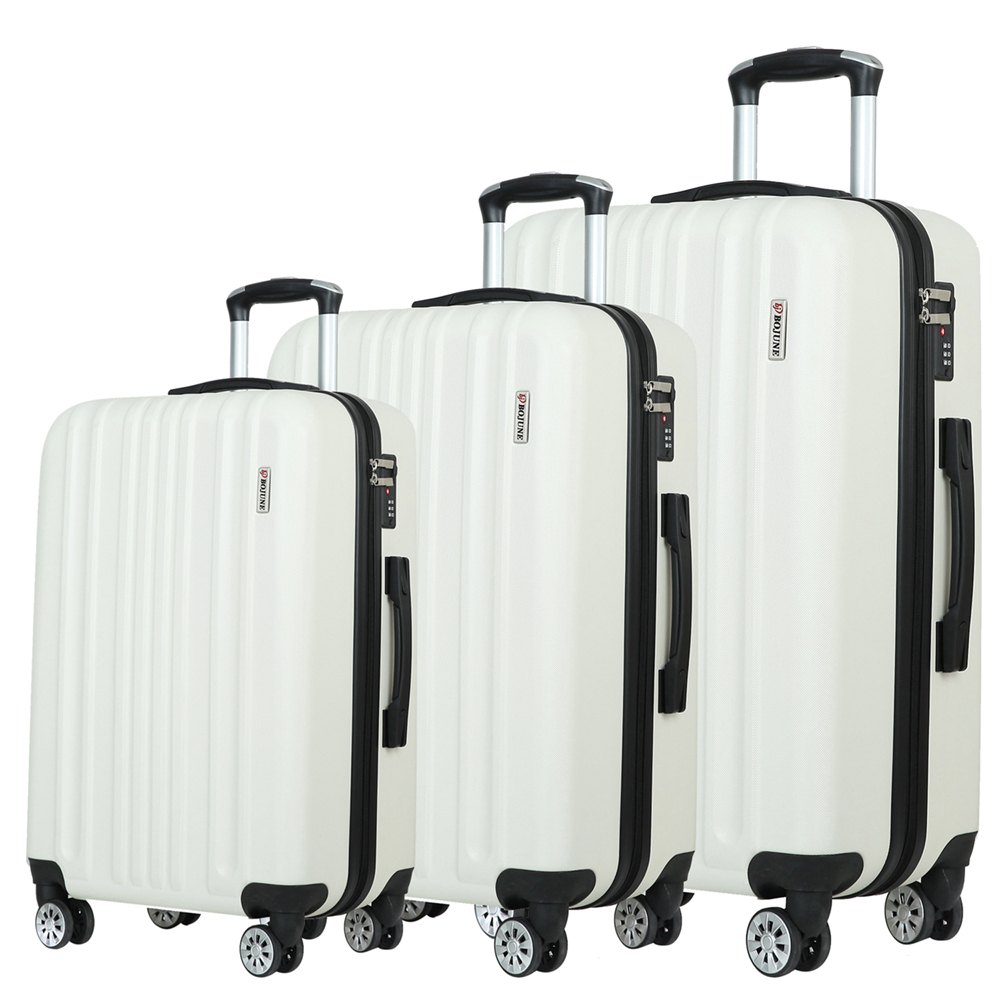
Compatibility is the quiet challenge in luggage production. A strong wheel is still the wrong wheel if its housing conflicts with the shell curve. A good pull rod can waste packing space if its tubes and back panel were planned separately. Even lock placement affects zipper paths, frame structure, and the customer’s hand position.
At Pengteng, our product and customization work covers luggage as well as its main components. We recommend reviewing the bill of materials, sample, and finished case together. Our quality process includes supplier checks, incoming inspection, checks during production, outgoing inspection, and finished-product inspection. Custom samples generally take 7–15 days, depending on the design. Buyers can explore our customization and wholesale support when planning a new range or revising an existing one.
During sampling, request clear records for part material, color, dimensions, mounting points, and replacement method. Then test the assembled case, not only the loose component. This catches noise, flex, alignment, and balance problems that individual part checks can miss.
Conclusion
The best luggage accessories do not compete for attention. They make the suitcase feel dependable from the first lift to the final hotel corridor. In 2026, that means quiet and replaceable wheels, comfortable handles, stable pull rods, practical organization, and smart features built around removable batteries. It also means choosing capacity and added functions with the final case weight in mind. For brands, wholesalers, and product developers, the strongest result comes from treating every component as part of one travel system. At Pengteng, we connect accessory selection with case structure, sampling, inspection, and customization so buyers can create luggage that is easier to use, service, and trust.
FAQs
Q: What luggage capacity suits a short trip?
A: About 35–45 L is practical, subject to your airline’s size and weight limits.
Q: How heavy should a loaded checked suitcase be?
A: Many airlines use 23 kg, but travelers must confirm the exact ticket allowance.
Q: Which luggage accessories are easiest to replace?
A: Screw-mounted wheels, handles, pull rods, and modular locks are generally easier to service.
 consult
 WHATSAPP
 leave message
 top