





Luggage Accessories and Suitcase Size: The B2B Details That Reduce Returns
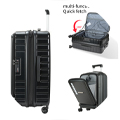
A suitcase may look simple from the outside, but its everyday performance depends on a group of small parts. Wheels decide how smoothly it moves. A trolley system affects balance. Handles, locks, zippers, corner guards, and lining all shape the user’s experience. That is why luggage accessories deserve more attention in product planning, especially when buyers want fewer repair claims and clearer online listings.
For retailers, importers, and private label sellers, accessories are also linked to size and airline questions. A case can meet a shell-size target and still become too tall after wheels or a raised handle are added. As airline checks become more exact and shoppers pay closer attention to baggage fees, accurate measurements and durable accessories are becoming part of the sales message.
The Main Categories of Luggage Accessories
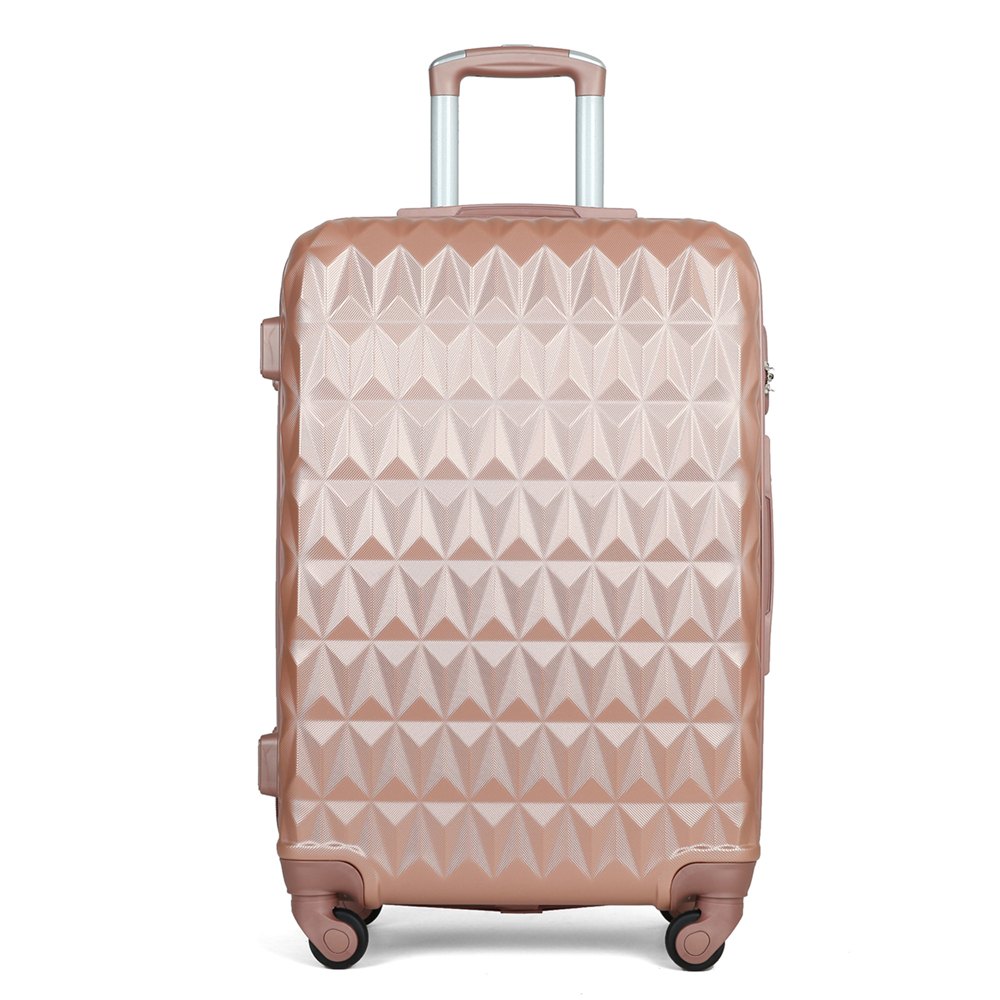
A useful accessories plan begins with the parts that customers touch, pull, open, and replace most often. It also needs to consider the way each component changes weight, outside dimensions, packing space, and repair time. The categories below give buyers a practical way to compare products before they build a collection or approve a sample.
Wheels, Trolley Systems, and Brakes
Wheels are among the most visible luggage accessories because a rough roll is noticed immediately. Spinner wheels support movement in crowded terminals, while wheel housings protect the body when the case is checked. A suitcase with brakes can add control on ramps, train platforms, and hotel floors. Buyers should review wheel diameter, mounting strength, noise, turning resistance, and replacement availability rather than looking only at the wheel color.
Handles, Pull Rods, Locks, and Zippers
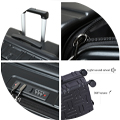
Handles and pull rods carry repeated force, particularly on a full 28 size suitcase. A loose luggage handle may come from a worn screw, a weak base, a bent tube, or a poor fit between the handle and the shell. Locks and zippers have a different role: they protect contents and create the first impression of quality. For OEM luggage, these parts should be checked through repeated pull, twist, open, and close tests.
Why Size Questions Are Really Accessory Questions
Travelers often search for a number, but the number alone does not explain how a suitcase behaves. A product page must connect inch size with wheels, handles, capacity, kilograms, and the intended trip. This is especially important for online buyers who cannot compare a medium case and a large case in person. Clear explanations make a product easier to trust and easier for customer service to support.
What Size Is a Carry On Suitcase?
The question what size is a carry on suitcase usually points to a case around 20 inches, but cabin limits are carrier-specific. Buyers should check the complete outside measurement, including wheels, corner parts, and the extended handle housing. In product copy, explain how to measure a suitcase size: measure height, width, and depth from the outside, then state whether the dimensions include wheels and handles.
24 Inch and Medium Trolley Bag Size
A 24 inch case is often treated as medium checked luggage. A typical 24 inch suitcase weight may be about 3.5-4.5 kg, while capacity often falls near 60-70 L, depending on materials and accessories. This is why many people ask can i hand carry 24 inch luggage? In most travel situations, it is safer to present a 24 inch model as checked luggage rather than cabin luggage.
At Pengteng, our luggage products help buyers build a clear range from cabin-focused cases to medium and larger checked luggage.
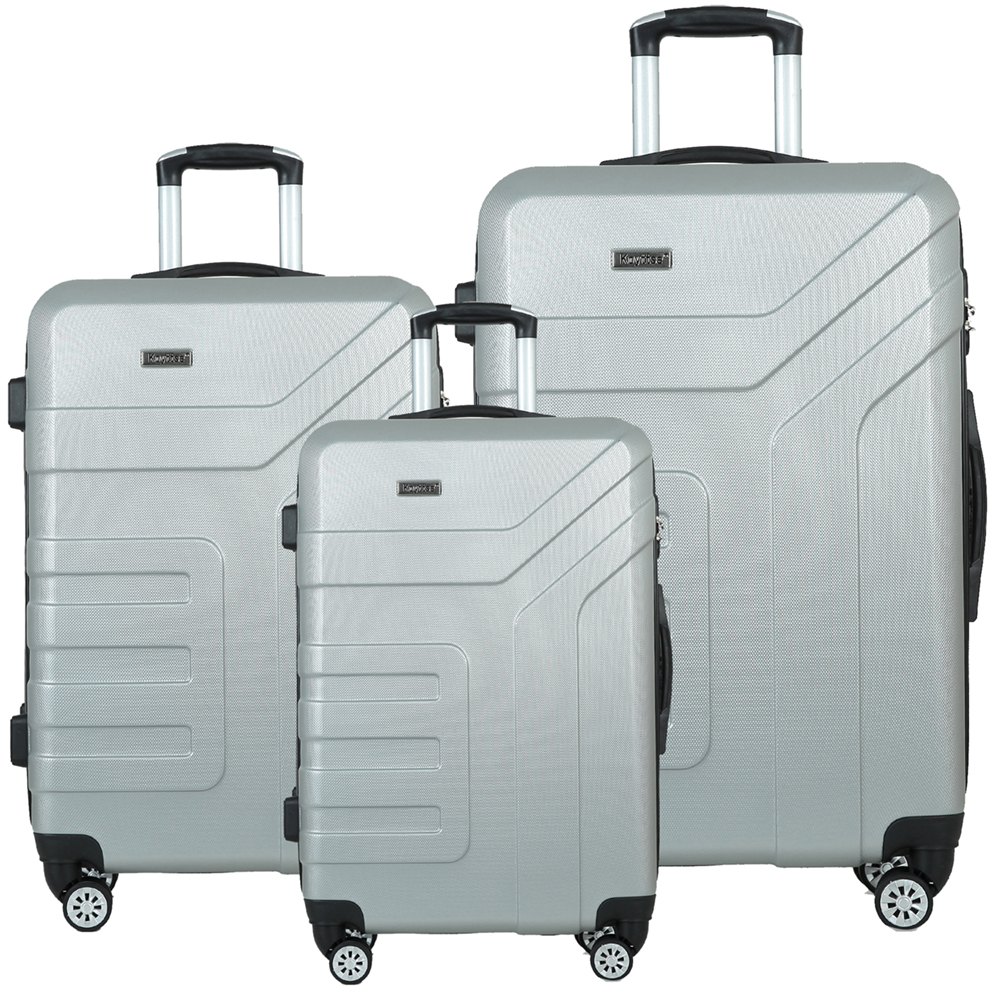
28 Inch vs 32 Inch Luggage: Capacity Has a Cost
People comparing 28 inch vs 32 inch luggage usually look beyond just storage space. A bigger bag holds extra items. However, this extra weight puts heavy stress on the wheels and corner guards. It also strains the trolley tubes and the handle base. Furthermore, travelers might struggle to stay under strict airline weight rules. Therefore, numerous store owners view the 28 size suitcase as an ideal main product. It provides plenty of room for clothes. At the same time, it avoids pushing the attached parts to their breaking point.
The 28 Size Suitcase as a Core Retail SKU
The 28 size suitcase works well for lengthy vacations and family trips. It is also great for long-term visits. The item page needs to display the internal volume in liters. It must also list the empty weight in kilograms and the total outside measurements. Other vital facts include the wheel design, handle length, lock type, and expansion options. Such facts guide buyers in knowing the item before they buy. They also provide service staff with solid facts whenever a buyer compares two big travel bags.
When a 32 Inch Model Makes Sense
A 32 inch case is useful for moving homes or packing massive amounts of gear. Yet, this huge size requires tough hardware and clear weight advice. The bottom wheel area has to remain steady. Meanwhile, the trolley frame must fight off sideways force. The outer shell also requires extra armor at key bumping spots. When a vendor sells this massive option, the web page must clarify the target user. It should point out why a 28 inch case is often simpler to manage during standard journeys.
Loose Handles and Repair-Focused Product Support
Fix-it guides form highly useful website content. These queries pop up after a sale happens. At that moment, the user wants a fast and accurate fix. A helpful help page must spot the difference between a loose top grip and a shaky metal rod inside the tubes. It should also cover a base unit that has broken away from the main body. Every single issue relates to a distinct part or a unique checking method.
How to Fix a Wobbly Suitcase Handle?
Begin by looking for any loose screws. After that, examine the bottom mount, the metal tube straightness, and the top plastic cap. Suppose the metal pole is warped or the bottom mount shows cracks. In that case, simply turning a screwdriver will not fix the fault. Installing a fresh handle or a new trolley kit is often a much safer choice. For merchants, stocking standard luggage repair accessories proves highly beneficial. This habit transforms a minor complaint into a quick support win. It prevents the hassle of a complete item return.
Quality Checks Before Mass Production
Before approving an OEM luggage sample, buyers should test wheel rolling, trolley pull force, handle wobble, zipper travel, lock operation, corner impact points, and carton protection. These checks are simple, but they reveal the parts most likely to create complaints. Pengteng supports product development and production follow-up through its OEM and ODM service, helping buyers review materials, components, samples, packaging, inspection, and repeat-order consistency.
How Pengteng Connects Accessories With Better Product Lines
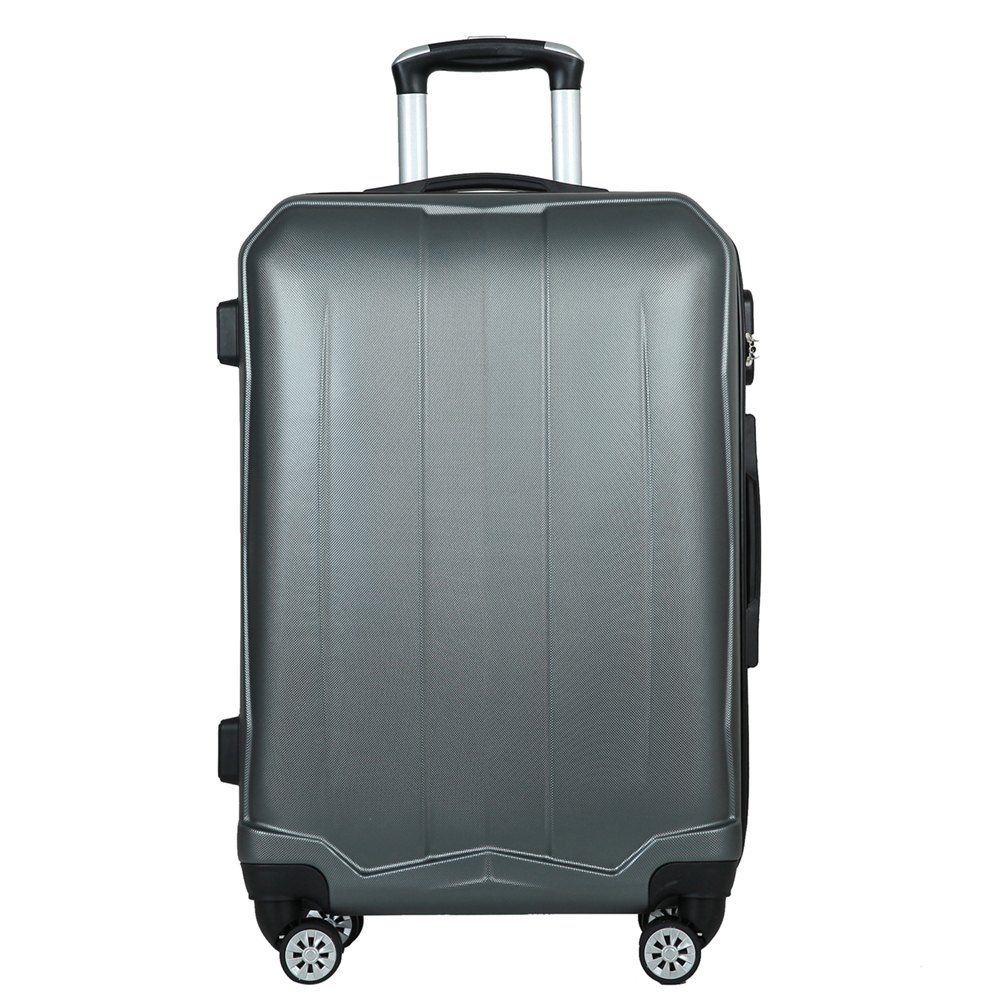
At Pengteng, we treat accessories as part of the product system. The shell, wheels, pull rods, handles, locks, zippers, lining, and packaging should support the same target market and price level. An entry collection may focus on practical ABS construction and reliable core parts. A higher-value collection may add quieter wheels, stronger hardware, a refined interior, or a suitcase with brakes.
Our 20 24 28 inch luggage set gives sellers a simple size ladder for coordinated listings. Buyers can also review Pengteng OEM luggage options when they need private label development, custom colors, logo work, and production support.
List full outside dimensions and state whether wheels and handles are included.
Show empty weight in kilograms and capacity in liters beside inch size.
Describe wheel, handle, pull rod, lock, zipper, and corner protection details.
Keep common replacement parts available for service teams and repeat orders.
Match accessories to the target price, travel use, and expected load.
Conclusion
Luggage accessories are not minor details. They decide how a suitcase rolls, opens, closes, balances, and survives repeated travel. They also affect standard luggage size for airlines, 24 inch suitcase weight, and the real difference between 28 inch vs 32 inch luggage. When product pages explain wheels, handles, locks, pull rods, capacity, liters, kilograms, and repair options in plain language, shoppers can make faster decisions and sellers can reduce avoidable returns. At Pengteng, we connect product design, accessory selection, quality checks, and OEM support so our partners can build luggage collections that are easier to sell, easier to service, and more dependable in daily use.
FAQs
Q: What is a common 24 inch suitcase weight?
A: About 3.5-4.5 kg, with roughly 60-70 L capacity.
Q: Can I hand carry 24 inch luggage?
A: Usually no. It is generally checked luggage.
Q: How can I fix a loose luggage handle?
A: Tighten screws first; replace the base or trolley set if damaged.
 consult
 WHATSAPP
 leave message
 top
top