





Luggage Types and Sizes in 2026: A Practical Guide for Smarter Trips
Everything is changing in the way that we travel. Quick city breaks, long haul family trips and business journeys are booked by people. And then there were days all month long. Airlines are paying attention to cabin dimensions in the mean time. They also verify the weight and size of bags. Have you ever seen a suitcase in any store which looks perfect? Nonetheless, it can still create issues at the boarding gate. This will happen if wheels, handle or stuffed pockets push the bag over allowed.
This guide breaks down the primary types of luggage. It explains how they are measured. It also focuses on the features that make a particular suitcase easier to maneuver. At Pengteng, we design and provide travel cases, luggage accessories & custom solutions. As a result, we see the suitcase from two different views. The traveler in need of a hassle-free travel. We think of the business buyer looking for dependable products as well.
The Main Luggage Types for Today’s Trips
A suitcase with good size is still just one attribute. Shell composition, wheel pattern and handle rigidity also play a factor. Also, the interior structure and repair options influence travel. A specific type of trip fit a single luggage kind. Additionally, practical and repairable designs are becoming more popular with buyers. This insight helps consumers with an apples to apples comparison when it comes bags. It also helps buyers develop a product line for markets.
Carry-On Luggage for Short Trips
Hand luggage goes in the overhead bin. People travel lot so they ask what size for a carry on suitcase. But there is not one global universal standard. Airlines set their own limits on height, width and depth as well as weight. Additionally, these rules frequently vary based on the route or type of ticket class. You measure the bag starting from floor and up until your highest fixed point Make sure it has wheels and handles! Next, cross-check your numbers against the current airline regulations.
Turns out, it’s also extra room to pack alongside a 24-inch case. Nevertheless, the question that can i hand carry a 24 inch luggage necessitates thoughtful consideration. In most scenarios, it was simply too tall for the cabin. Especially when the bag is packed. Use a 24 and-pass model as checked baggage. Only take it on if your airline has written and clearly specified that.
Medium and Checked Luggage
The dimension of a medium trolley bag is generally close to what can be called as compact cabin bags and large family cases. Ideal for a one week holiday or business wardrobes. It is also ideal for a traveler who needs space without having to manage an oversized trunk. A 28-size suitcase still represents a pretty good size for checked luggage. It has a good combination of storage and easy to use.
If you are travelling for longer holidays, then 28 inch vs 32 inch luggage comparison would be a bit of help to you. Keep this in mind for more than just storage capacity points. Thick winter clothes easily fit in a 32-inch case. But it is much more difficult to carry around and easier to overpack. It is also much more likely to be over a limit imposed by the airlines for oversize. A 28-inch case, on the other hand, is handled more safely. At home, it is also significantly easier to store.
Soft, Hard-Shell, and Hybrid Cases
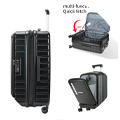
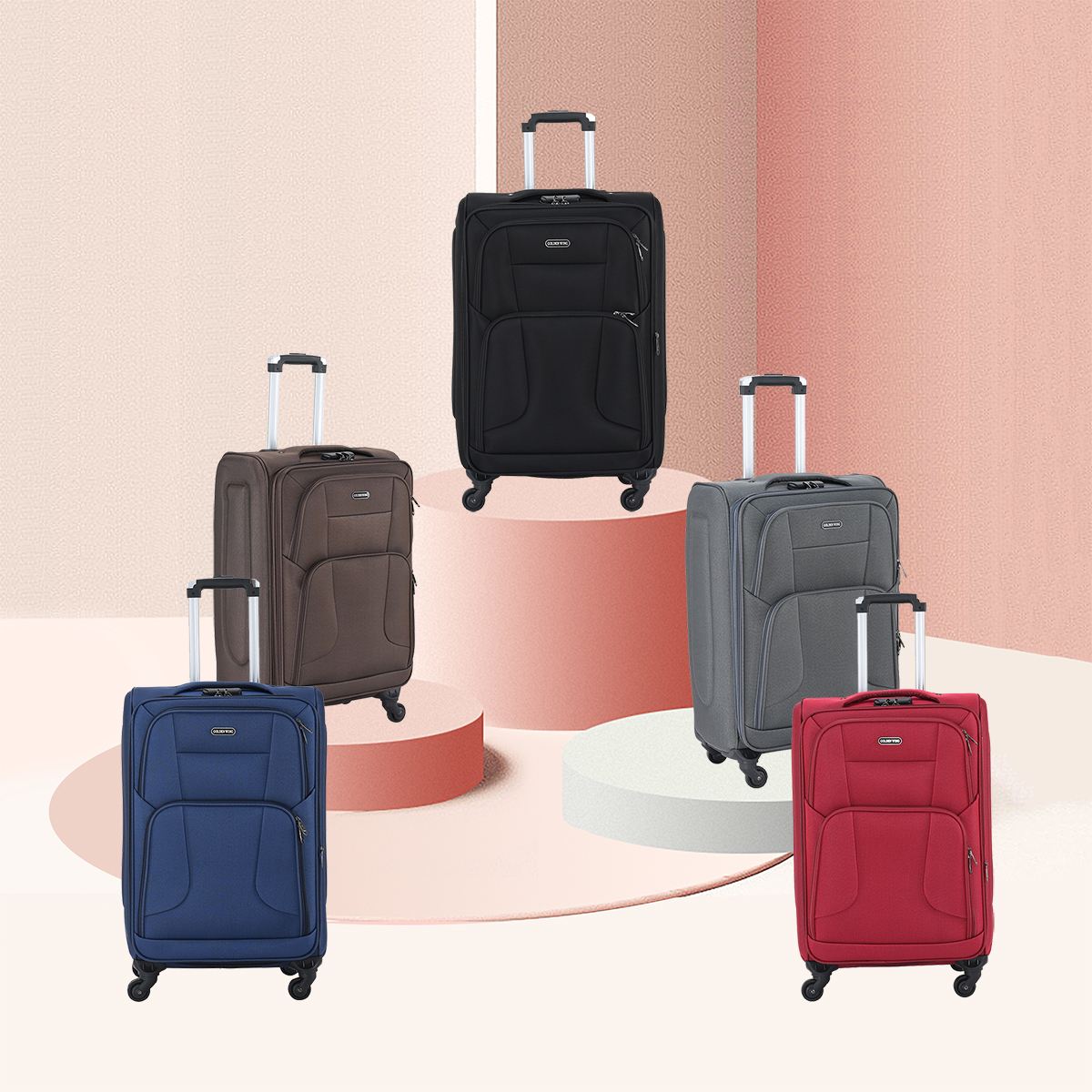
Examples: Soft luggage conforms to irregular shapes. It also often has handy outer pockets. The hard shell luggage, offers a firm outer structure to protect your belongings. There are types with PC+ABS, ABS + PP and PVC as well as aluminum-style materials. The hybrid designs combine a rigid exterior shell with softer, flexible areas. The best option is contingent on your travel plans and the level of baggage handling. Of course this relates to whether you can fix/catapult the casing across your room.
Multiple shell options and sizes are offered in our luggage collections. They’re suitable for travel, business needs and private-label programs. This is where we pay attention to the finish of your surface and corner protection. We also want the wheel to move freely, and we have clever places for all interiors. This prevents the bag from feat thin, unbalanced and wobbling on your back. That keeps the bag feeling stable and balanced once loaded
Measuring Luggage Before You Buy or Ship
A proper measurement will prevent a cabin bag from being denied at the door. And it also keeps you from incurring those surprise fees for oversized checked bags. Moreover, it assists business buyers in comparing product samples more readily for an apple to apples comparison. You need to check the case when it is closed, empty and in an upright position. Next, repeat with a standard travel load. These will change the final dimensions, packed pockets and expansion zippers. The same measuring method enhances product pages and export carton planning.
How to Measure a Suitcase Size Accurately
When people ask how to measure a suitcase size, follow this simple process:
Measure the height straight from the floor. Include the wheels and the fixed handle base.
Measure the width across the widest section. Include any corner guards and side handles.
Measure the depth from the front to the back. Include expansion zippers and front pockets.
Write down the three numbers in a height × width × depth format.
Check the weight of the empty case. After that, weigh it fully packed.
This methodology gives a very precise image. This is far superior to measuring the fabric or shell in isolation. This also facilitates a proper comparison to the dimension of standard luggage for airlines. Airlines usually include wheels, handles and anything else that protrude from the main body in their counting. Airlines count wheels, handles and other parts that protrude from the main body.
Why the 24 Inch Suitcase Weight Matters
Weight of the 24 inch suitcase affects practically all areas, not only luggage fees. An empty bag weighs about as much as a small child, wasting important airline weight allowance. This means that there is less room for your clothes, gifts or gear. Aluminum-style bodies feel very tough. But they are generally heavier than a lightweight polycarbonate blend. Travelers must balance the empty weight with usable space. Wheel quality, and handle strength should be tested as well. Don’t just look for the lightest bag.
Luggage Accessories That Protect the Travel Experience
Small parts are what often meet the fate of whether a suitcase lives up as it gets older. Even the prettiest shell doesn’t repair a broken wheel or jammed handle. Luggage accessories we consider an integral part of the overall product. Using the right parts simplifies it considerably for repairs down the line and long term use. They also aid in ensuring a strong an after sales service plan for retail brands.
Handles, Pull Rods, Wheels, and Locks
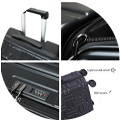
Standard baggage accessories consists of telescopic pull rods, prime handles and facet grips. They have spinner wheels, combination locks, corner guards and an internal zipper as well. The pieces must all fit into the bag and support its projected weight. They’re essentially three wheels that need a stable platform and support rolling friction. And pull rods need straight rails and a really responsive push button. Locks must be simple for executing and protected when fastened.
Our luggage accessories range provides handles, pull rods, wheels, and combination locks. These work well for replacements or brand new production. A buyer might develop a private-label collection. In that case, using the same parts across different sizes builds a uniform brand look. It also lowers the cost and effort of future repairs.
What to Do with a Loose Luggage Handle
A loose luggage handle happens for several reasons. It might be a missing screw, a worn plastic guide, a bent metal rail, or a cracked base plate. First, empty the bag completely. Then, check if the looseness comes from the top button, the side rails, or the bottom mount. You can gently tighten any visible screws. Do not force them, as this can strip the metal threads or break the shell.
The handle might still wobble from side to side. If so, stop pulling the bag with a heavy load. Installing a replacement pull rod or base part is the safest option. Manufacturers and distributors should keep matching spare parts in stock. This strategy stops a minor customer complaint from turning into a full product return.
What Current Luggage Trends Mean for Buyers and Brands
Modern travelers expect much more than just a nice-looking shell. They demand lighter products and clear sizing details. They also want silent wheels, replaceable parts, and smart interior dividers. Business buyers frequently ask about raw materials, product samples, quality inspection, and shipping schedules. Luggage is shifting from a quick, one-time purchase to a long-term product relationship.
Pengteng actively supports this market shift with our ODM and OEM service. Our workflow includes initial design talks and customized physical samples. We also manage supplier quality checks, production line inspections, and final product testing. Finally, we handle the shipping coordination. This structured method helps wholesale luggage suppliers and private-label teams. It also assists retailers who want to test new styles. It builds a smooth path from the first idea to a steady repeat order.
A Practical Packing Decision for Different Travelers
It all depends on personal preferences, there will never be a perfect choice with any of the different choices between luggage. For instance, a weekend traveler may opt for an easy-to-pack, small-sized carry-on. On the other hand, a big family might need to go for 28 inch of case with several compartments. Regular fliers typically want a lightweight body, long-lasting wheels and easy to find or replace parts. When it comes to the business end of things, buyers put an enormous emphasis on stable sizing and regular manufacturing quality.
Use this short checklist before you select a new suitcase:
Compare the total external size against the airline rules. Do not rely solely on the advertised inch measurement.
Check if replacement luggage accessories are available for future repairs.
Request physical samples and quality inspection details before placing a large wholesale order.
Our Pengteng product team provides excellent travel cases, spare accessories, and custom manufacturing. Small, practical details drive positive customer reviews and repeat business. They also give travelers real confidence at the airport.
Conclusion
It allows you to choose a bag better when you evaluate the size, weight materials and accessories together. Just because a case is 24 inches does not mean it automatically qualifies for the cabin. Worse yet, a 32-inch case isn’t usually the most practical option for an extended trip either. Your maximum suitcase size: you need to measure your whole luggage and (look for) airline rules as it is changing all the time. Also, think about how the wheels and handles will hold up after a few trips. Pengteng is a fusion of experience in luggage making with good supplies since 2014. Customization, thorough inspection and shipping assistance also comes with us. And this is a more holistic approach which actually helps travellers travel stress-free. That lets brands craft incredibly functional and repairable luggage lines.
Careful planning before a trip saves money. It is always better than paying a surprise baggage fee or dealing with a broken handle on the road.
FAQs
Q: What Is a Common Carry-On Luggage Size?
A: Most airlines accept bags around 55 × 40 × 20 cm weighing between 7 and 10 kg. However, exact rules vary based on the specific airline and ticket class.
Q: Is a 28 Size Suitcase Suitable for Checked Travel?
A: Yes, it is. A 28-inch suitcase typically holds between 90 and 110 liters of volume. It almost always travels as standard checked baggage.
Q: How to Fix a Wobbly Suitcase Handle?
A: First, check the mounting screws and metal rails. You should replace the entire pull rod if the plastic guide or base plate shows heavy wear.
 consult
 WHATSAPP
 leave message
 top