

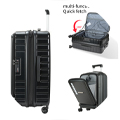
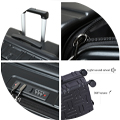




Personal Item vs Carry-On Bag: How Luggage Brands Can Design Smarter Travel Sets
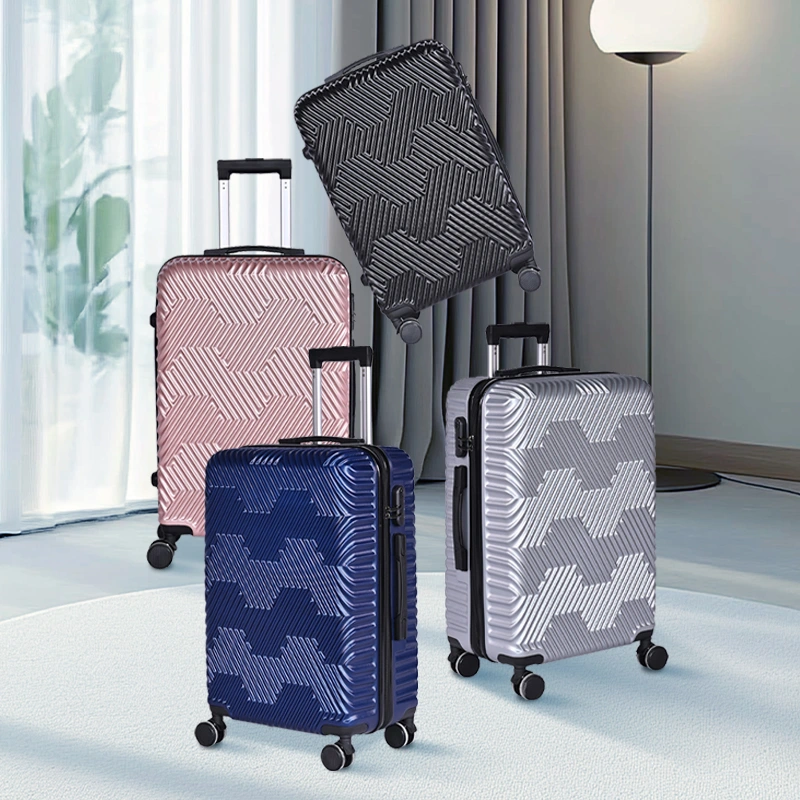
Personal Item vs Carry-On Bag: Why This Difference Matters
For modern travelers, packing is no longer only about placing clothes in a suitcase. Airline rules, cabin space, trip length, and personal habits shape the choices people make. This is why the difference between a personal item and a carry-on bag has become an important topic for luggage brands, retailers, and travel product buyers.
At Pengteng, we work with travel bag buyers who need practical luggage products for different markets. Our products include carry-on luggage, checked luggage, travel suitcases, business bags, daily backpacks, and customized luggage sets. When brands understand how travelers use each bag, they can build travel sets that are easier to sell and better for real travel.
Our Pengteng products include different luggage and bag options, such as fabric luggage, PC+ABS luggage, ABS luggage, PP luggage, luggage accessories, handles, wheels, and combination locks. These product details matter when building complete travel sets for different customer groups.
Personal Item vs Carry-On Bag: Key Differences for Buyers
Travelers often confuse personal items and carry-on bags, but their functions are not the same. A well-designed travel set should give each bag a clear storage role. It should divide tasks clearly.
Size and Storage Position
A personal item is smaller and usually goes under the seat. A carry-on bag is larger and usually goes in the overhead bin. This difference affects shape, weight, and design.
A personal item should be compact and flexible. A carry-on bag should be more structured and protective.
Access During Flight
Travelers can usually reach a personal item during the flight. They may not easily reach a carry-on bag once it is stored above. This means personal items should hold urgent and frequently used things.
A carry-on bag is better for clothes and items that are not needed until arrival.
Product Structure
A personal item may use soft fabric, padded sections, and multiple pockets. A carry-on bag may use ABS, PC, PP, fabric, or PC+ABS materials depending on the market.
At Pengteng ODM/OEM, we support buyers with customization in material, color, size, logo, and style. This helps brands design travel sets with clear product roles instead of only selling single bags.
Customer Pain Points
Personal item users want easy access. Carry-on luggage users want space, safety, and smooth movement. If a travel set solves both problems, it becomes more attractive for business buyers and end customers.
Designing the Personal Item: What Matters Most
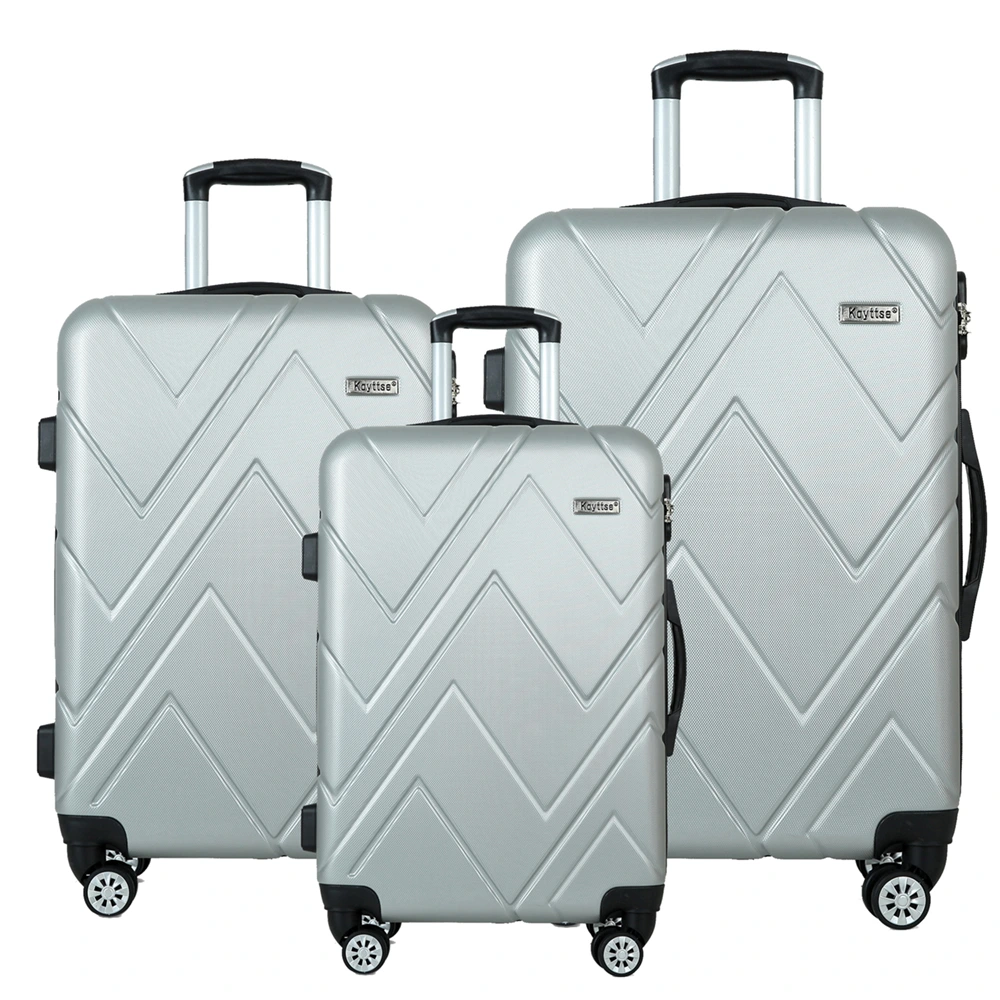
A personal item should be close to the traveler’s body and close to their needs. It should not be too large, too heavy, or too complex. Simple design with smart sections often works best.
Practical Compartments
Travelers need to find small items quickly. A personal item should include sections for electronics, documents, chargers, and daily essentials. Too few pockets make packing messy. Too many pockets make the bag confusing.
Good compartment planning can include:
-
Padded laptop section
-
Front quick-access pocket
-
Side pocket for bottle or umbrella
-
Hidden passport pocket
-
Inner zipper pocket
-
Cable or charger area
Comfortable Carrying
A personal item may be carried for many hours. Soft handles, wide shoulder straps, and light fabric can make a big difference. For business users, a luggage sleeve is also useful because it allows the personal item to sit on top of carry-on luggage.
Visual Match with Carry-On Bag
A personal item and carry-on bag should look like they belong together. Matching color, logo, zipper details, and material tone can make the travel set more professional.
This is especially helpful for private label buyers who want a stronger brand image.
Designing the Carry-On Bag: What Matters Most
Carry-on luggage must balance size, space, weight, and strength. Travelers want enough room, but the bag still needs to feel easy at airports. A good carry-on bag should move smoothly, stand well, and protect items inside.
Lightweight Body
Lightweight luggage is important because travelers may need to lift it into overhead bins. If the suitcase is too heavy before packing, it becomes harder to use. Materials such as PC, ABS, PP, and fabric can serve different price and market needs.
Smooth Wheels
Wheels are one of the most important parts of carry-on luggage. Poor wheels create noise, shaking, and user frustration. Smooth spinner wheels make the bag feel more premium and easier to move.
Strong Trolley Handle
A carry-on bag is pulled through airports, stations, hotels, and streets. A weak handle quickly damages the user experience. Buyers should check handle stability, height, and smooth movement before placing bulk orders.
Secure Lock System
A TSA approved luggage lock can add extra value to carry-on luggage. Even though carry-on bags stay closer to the traveler, many users still want lock protection in hotels, transport, and public spaces.
Pengteng offers luggage accessories including handles, pull rods, wheels, combination locks, and other parts through our product range, helping buyers build stronger and more complete luggage lines.
How to Build a Smarter Travel Set
A smarter travel set should not only look matched. It should work as one system. The personal item should carry daily essentials. The carry-on bag should hold short-trip clothing. Checked luggage can handle longer travel needs.
Match Materials to Market Level
Premium travel sets may use PC or PC+ABS materials. Value-focused sets may use ABS or fabric. Durable checked luggage may use PP. The best choice depends on price, market, and customer use.
Keep the Set Visually Consistent
Color matching is important. A travel set with mixed styles may look less professional. Brands can build stronger recognition by keeping the same design language across personal item, carry-on bag, and checked luggage.
Add Custom Branding
Private label buyers should consider logo position, zipper pull design, lining pattern, packaging, and product tags. These details help a travel set feel like a real brand collection.
At Pengteng, we support custom luggage manufacturing for buyers who need logo, material, color, and style options. Our team works with buyers to turn market needs into practical luggage products.
Product Ideas for Luggage Brands
For brands planning new travel sets, the personal item vs carry-on bag topic can guide product development. The goal is to create products that answer real travel questions.
Useful product ideas include:
-
Carry-on luggage with matching backpack
-
3-piece luggage set with personal item option
-
Business travel set with laptop bag and cabin suitcase
-
Family travel set with checked luggage and small tote
-
Lightweight luggage set for airline travel
-
Hard shell suitcase set with TSA approved luggage locks
For buyers exploring product directions, Pengteng’s solution center gives more context about luggage systems, storage space, luggage details, and customization support.
How Product Pages Should Explain Personal Item and Carry-On Differences
Good product pages should help customers choose faster. If a buyer does not understand the difference between a personal item and a carry-on bag, they may choose the wrong product or leave the page.
A clear product page can include:
-
Bag size
-
Capacity in liters
-
Weight in kilograms
-
Suggested trip length
-
Airline travel use
-
Storage position
-
Main features
-
Material details
-
Lock type
-
Wheel and handle details
For example, instead of saying only “travel bag,” a product page can explain whether it is suitable as a personal item, carry-on luggage, or checked luggage. This improves clarity and helps search engines understand the product purpose.
This is also useful for SEO. Keywords such as personal item, carry-on bag, carry-on luggage, travel sets, airline approved luggage, lightweight luggage, and custom luggage manufacturer can appear naturally when the page answers real buyer questions.
Pengteng accepts OEM and ODM orders and provides support for buyers who need custom luggage solutions.
Why Pengteng Is a Practical Partner for Travel Bag Buyers
At Pengteng, we focus on luggage and bag manufacturing while supporting business buyers with practical product options and customization services. Our experience covers travel suitcases, business bags, daily backpacks, luggage accessories, and different materials such as ABS, PP, Oxford cloth, PVC, PC, and PC+ABS.
Our products are built for different markets, including North America, Southeast Asia, the Middle East, South Asia, South America, Africa, East Asia, and Western Europe. For buyers planning travel sets, we can support material choice, style development, size planning, and bulk order production.
Conclusion
The difference between a personal item and a carry-on bag is more than a luggage rule. It reflects how people travel, pack, move, and choose products. A personal item should keep daily essentials close. A carry-on bag should provide cabin-friendly storage for short trips. When both are designed as one travel set, the product becomes easier to use and easier to sell. For luggage brands, this creates strong value in airline approved luggage, lightweight luggage, and custom travel collections. At Pengteng, we help buyers create practical, market-ready luggage products that match real travel needs and modern customer expectations.
FAQs
Q: What size is common for a personal item?
A: Around 20–30 L is common for under-seat travel bags.
Q: How much capacity does carry-on luggage usually have?
A: Carry-on luggage often holds about 35–45 L.
Q: How heavy should lightweight carry-on luggage be?
A: Most lightweight carry-on luggage is about 2.5–3.5 kg.
 consult
 WHATSAPP
 leave message
 top
top