




Fabric Luggage vs PC+ABS Luggage vs PVC Luggage: Which Collection Should Your Market Choose?
Travel buyers in 2026 want more than a nice-looking suitcase. They want a bag that fits airline rules, keeps weight under control, and holds up after real trips. That is why fabric luggage, PC+ABS luggage, and PVC luggage keep showing up in search terms and buying lists.
For brands and wholesalers, the choice is not only about material. It is also about price band, customer type, and where the suitcase will be sold. At Pengteng, we work with buyers who need practical answers, not vague claims. You can review our products page, check our service page, or start with our homepage to see how we build different luggage lines.
Why This Comparison Matters Now
The luggage market has changed a lot. Airlines are stricter about cabin size. Travelers watch baggage fees more closely. Retailers also want products that are easy to explain in one sentence. A suitcase that is too heavy, too large, or hard to clean can lose value fast.
That is why this comparison matters. Fabric luggage, PC+ABS luggage, and PVC luggage each solve a different need. The better your market match, the easier your product is to sell.
Airline rules are pushing buyers to think smaller and lighter
Carry-on limits now shape buying behavior in a big way. Many travelers check trolley bag sizes before they check the color. They want to know how are suitcases measured, what size is a carry-on suitcase, and whether the bag will fit overhead space without trouble.
This is where material matters. A lighter shell can leave more room for packing. A flexible structure can help with storage. A cleaner surface can make the product feel newer for longer.
Retail buyers need a clear product story
A brand does not need ten confusing suitcase types. It needs a simple ladder. One line for soft travel. One for better shell strength. One for waterproof or easy-clean use. That story is easier for shoppers to follow, and easier for sales teams to present.
When the product story is clear, the suitcase becomes easier to place in retail, online, and wholesale channels.
What Each Material Does Best
Each material brings something different to the table. Fabric luggage is flexible. PC+ABS luggage feels balanced. PVC luggage is practical and easy to clean. The right choice depends on the customer, not just the factory.
Before choosing a collection, it helps to think about how the suitcase will be used. Will it be carried often? Checked more than carried? Sold as a family set? Or listed as a value item for fast-moving retail?
Fabric luggage: flexible, familiar, and easy to pack
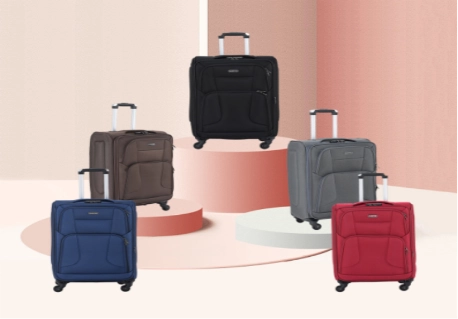
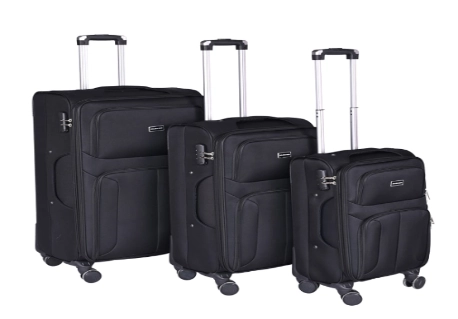
Fabric luggage still has a strong place in the market. It feels soft, moves easily, and often gives buyers more outer pockets and packing space. That makes it useful for business travel, short trips, and family use.
A well-made suitcase set fabric can also sell well in retail because it looks practical and approachable. Buyers often like the softside feel. They can pack a little more, and they can usually organize items faster.
Fabric luggage works best when the market wants:
- flexible packing
- front pockets or quick-access storage
- a softer look and feel
- a suitcase that is easy to lift and move
- a family or short-trip set
If the outer layer is treated well, fabric luggage can also perform well as scratch proof luggage for everyday travel.
PC+ABS luggage: balanced, modern, and good for daily travel
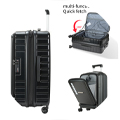
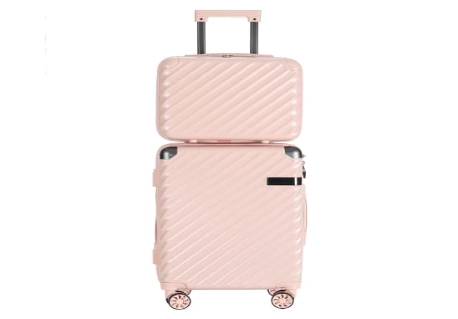
PC+ABS luggage sits in a useful middle space. It gives a cleaner hard-shell look than fabric and a more balanced feel than basic ABS alone. For many brands, this is the safest “all-around” material.
It is a good fit when buyers want a suitcase that feels modern but not too expensive. A textured finish can also help hide small marks. That matters for shoppers who care about how the case looks after airport handling.
PC+ABS luggage is often a strong choice for:
- medium retail price points
- family travel sets
- business travel
- checked and carry-on collections
- buyers who want a neat shell with decent strength
For many markets, PC+ABS luggage becomes the middle option between softside convenience and harder shell protection.
PVC luggage: practical, easy-clean, and useful for value lines
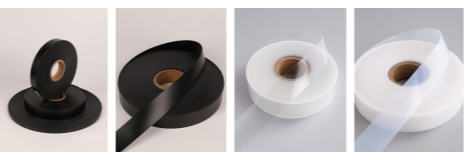
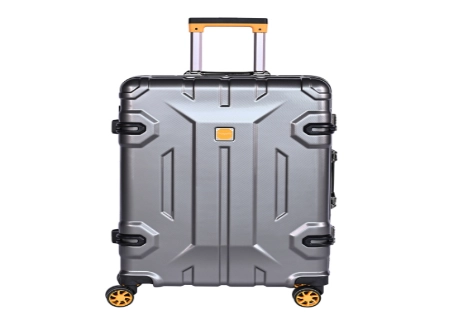
PVC luggage is a good answer when buyers care about water resistance and simple cleaning. It is easy to wipe down. It also works well for travel lines that need clear value and practical use.
This material can be useful in wet climates, busy city markets, and budget-friendly collections. It may not be the first choice for every premium retailer, but it can be strong in everyday travel segments.
PVC luggage works well for:
- easy-clean product stories
- value-focused retail
- markets with rain or humidity
- travel bags that need a practical surface
- buyers who want a simple, direct selling point
How Buyers Should Compare Size, Weight, and Use
Material is only one part of the decision. Size and weight shape the real travel experience just as much. This is where many buyers ask about trolley bag sizes, how are suitcases measured, 24 inch suitcase weight, 24 inch maleta size, and 28 inches bag.
A good product should match the trip. A suitcase for a weekend flight should not behave like a large checked bag. The buyer wants the right fit, and the retailer needs a clear explanation.
Trolley bag sizes and how are suitcases measured
How are suitcases measured? Usually by height, width, and depth, including wheels and handles. That detail matters because a case can look compact but still fail airline limits once the wheels and top handle are counted.
Trolley bag sizes should always be checked in full outer dimensions, not just shell size. This is especially important for carry-on models. A case that is too tall by even a little can become a problem at the gate.
24 inch suitcase weight, 24 inch maleta size, and 28 inches bag
A 24 inch maleta size is often a very useful middle choice. It usually works well for trips of several days and gives buyers a clear medium-travel option. In many collections, the empty 24 inch suitcase weight is kept around 3.5 to 4.8 kg, depending on the material and hardware.
A 28 inches bag is usually a large checked suitcase. It fits longer trips and family packing better. For this size, buyers should think about strength, wheel quality, and how easy the case is to move when fully packed.
As a rough guide:
- 24 inch: medium travel
- 28 inch: large checked travel
- fabric lines: flexible and easy to pack
- PC+ABS: balanced, general-purpose use
- PVC: practical and easy-clean
Why scratch proof luggage still matters
No matter the material, buyers still care about appearance after travel. That is why scratch proof luggage remains a strong search term. People do not expect a suitcase to look perfect forever, but they do want it to stay presentable.
Textured PC+ABS luggage can hide marks well. PVC luggage is easier to clean. Fabric luggage with the right finish can also hold up nicely in daily use. In the end, scratch resistance is part of the product story, not just the shell.
What B2B Buyers Should Ask Before Ordering
For a custom luggage manufacturer or wholesale luggage supplier, the product itself is only part of the job. Buyers also need a factory that can handle samples, quality control, packaging, and stable production.
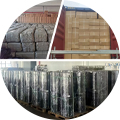
At Pengteng, we have over 20 years of luggage experience, a 3000㎡ factory area, 100+ office and factory employees, and 300000+ monthly output. We also support design, production, and wholesale needs across more than 30 export countries. That makes it easier for buyers to move from idea to order with less friction.
Ask the right factory questions
Before placing an order, buyers should ask:
- Can you make fabric luggage, PC+ABS luggage, and PVC luggage in the same collection?
- Can you support logo, color, size, and packaging changes?
- How long does a sample take?
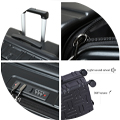
- How do you test wheels, handles, and zippers?
- Can you handle small batches and multiple styles?
These questions help separate a true partner from a simple supplier.
Suitcase set fabric and mixed collections still sell well
A suitcase set fabric collection can still work very well in retail, especially for family buyers and short-trip travelers. Some brands also mix materials in one range. For example, fabric for flexible travel, PC+ABS for the main retail line, and PVC for value or easy-clean use.
That kind of mix gives retailers more price points. It also gives customers a clearer choice.
At Pengteng, our ODM/OEM page helps buyers build those collections. Our service page covers quality checks, sample development, and shipping support. If you want a direct conversation, our contact page is the fastest way to start.
Conclusion
Fabric luggage, PC+ABS luggage, and PVC luggage each have a real place in today’s travel market. Fabric luggage feels flexible and easy to use. PC+ABS luggage gives a balanced hard-shell option. PVC luggage works well for practical, easy-clean collections. The right choice depends on the customer, the price point, and the travel use.
For brands and wholesalers, the best approach is simple: build a clear line, match the size to the trip, and choose the material that fits the buyer’s habits. At Pengteng, we help turn that into a real product plan through our luggage lines, accessories, OEM/ODM support, and one-step service.
FAQs
Q: What size is a carry-on suitcase?
A: Usually 20-22 inches, around 35-50 L.
Q: What is 24 inch suitcase weight?
A: About 3.5-4.8 kg, depending on material and hardware.
Q: How many liters is a 24 inch maleta size?
A: Usually around 60-70 L.
 consult
 WHATSAPP
 leave message
 top
top