





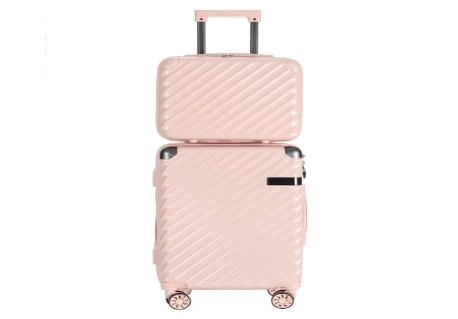
Luggage Accessories Wholesale: Small Parts That Decide Big Suitcase Sales
Airline passengers now watch every inch and kilogram of their bags. They also check every moving part. Checked bag fees continue to climb across various markets. Airport lines often seem endless. Because of this, buyers ask tough questions before making a purchase. They want to know what size is a carry on suitcase. They also ask can a 24 in suitcase be a carry on. Furthermore, they wonder which parts will actually last through multiple trips.
This trend presents a huge opportunity for luggage brands, importers, wholesalers, and online sellers. A suitcase is much more than just a plastic shell. It acts as a complete system. This system includes wheels, handles, pull rods, locks, and corner guards. It also relies on zippers, liners, and tiny structural pieces. Travelers barely notice these luggage accessories when they function perfectly. However, if these parts break, the entire suitcase seems poorly made.
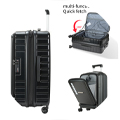
At Pengteng, we partner with luggage buyers. These clients require useful items and a reliable supply chain. They also need parts designed for actual travel conditions. Our products feature complete bags, luggage accessories, and related materials. We serve buyers seeking finished suitcases alongside solid component support.
Why Luggage Accessories Are Now a Serious B2B Category
The travel bag industry has moved past simple price wars. Today, shoppers actively compare wheel noise and handle strength. They also check lock safety, luggage weight, and interior space. Furthermore, they look at repair options before spending their money. For B2B buyers, this shift means luggage accessories wholesale is no longer a minor issue. Instead, it directly impacts customer reviews and return rates. It also changes replacement costs and builds long-term brand loyalty.
Modern travel habits make these add-ons even more vital. Many tourists prefer lighter cases. They do this because expensive checked bag fees hurt their budgets. Other people need larger checked bags. These bigger bags suit family vacations or long-distance flights. Retailers constantly get questions like 28 inch vs 32 inch luggage. They also hear debates about 18 inch vs 20 inch luggage. Shoppers frequently ask about 24 inch suitcase weight. Customers simply want to avoid choosing the incorrect size.
High-quality accessories help fix these common problems effectively:
-
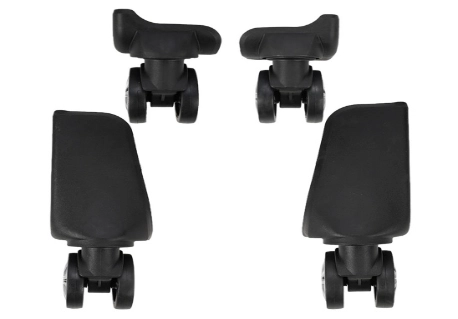
Smooth spinner wheels lower dragging effort across airports and hotels.
-
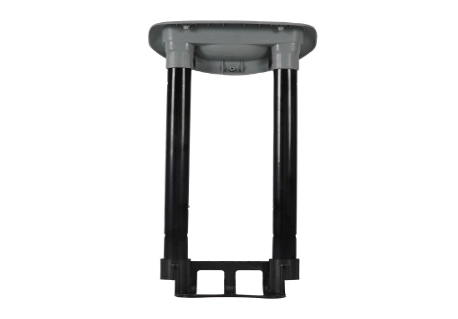
Tough pull rods make heavy bags much easier to steer.
-
Combination locks boost security without requiring extra loose keys.
-
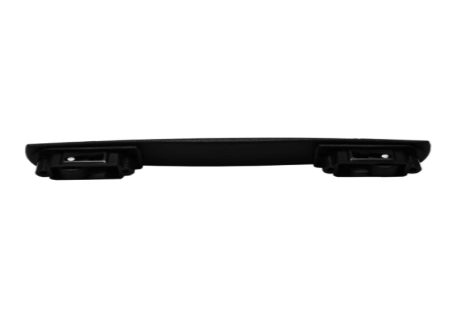
Reinforced handles lower the chance of snapping during heavy lifting.
-
Corner guards defend the outer shell against rough transit impacts.
-
Brake wheels keep bags steady on steep slopes or moving trains.
B2B buyers must pay attention to these small features when building a product line. These specific details often decide if a suitcase becomes a top seller. Otherwise, it might just generate endless customer complaints.
Core Luggage Accessories Buyers Should Evaluate
Buyers must evaluate luggage accessories based on actual function before ordering in bulk. Looking only at visual appeal is a mistake. A glossy handle or a silent wheel might look fantastic in product photos. However, wholesale purchasing requires looking deeper. Buyers must test load-bearing limits and raw material strength. They should also verify fit accuracy, factory assembly quality, and future repair ease.
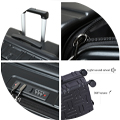
At Pengteng, our luggage accessories supply essential suitcase parts. This collection includes handles, pull rods, wheels, locks, and internal components. These items fully support finished luggage production. They also meet replacement demands for clients serving diverse global markets.
Wheels: The First Part Travelers Feel
Wheels are usually the first thing shoppers test inside a retail store. They are also the primary feature customers complain about online. A travel bag might feature an incredibly tough shell. Yet, the user experience drops rapidly if the wheels shake, jam, or create loud noises.
Light and smooth spinner wheels matter the most for 20 inch carry-on luggage. Buyers need to focus heavily on load capacity for 24 inch and 28 inch luggage. Wheel strength becomes strictly vital for 32 inch luggage. This massive size often holds heavy winter clothes, thick shoes, bulky gifts, or dense business samples.
A suitcase equipped with brakes is growing quite popular across specific regions. This function helps travelers keep their bags perfectly still. It works wonderfully on airport ramps and train platforms. It also secures bags on buses, inside hotel lobbies, and at cruise terminals. This unique addition proves highly useful for traveling families. Older tourists and busy professionals carrying several bags also love this feature.
Handles and Pull Rods: Comfort Meets Strength
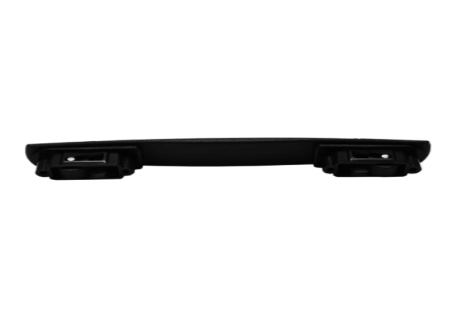
Handles and pull rods seem small, but they deliver a massive impact. Cheap handles tend to crack or loosen over time. They also feel terrible in the hand when the suitcase is fully packed. Weak pull rods often wobble after just a few trips. This flaw makes the entire product feel unsafe and unstable.
Buyers usually care about size compatibility when dealing with luggage handle replacement demand. They also focus on long-lasting material durability. A premium handle must perfectly match the main suitcase body. It should survive repeated heavy lifting while feeling comfortable to grip. Pull rods require smooth upward extension and firm locking mechanisms. They also need adjustable height settings to fit users of varying heights.
This detail remains extremely important for store owners selling various sizes. They often compare 18 inch vs 20 inch luggage. They also stock 24 inch, 28 inch, and 32 inch sets. Different case dimensions naturally require different pull rod lengths. They also demand unique handle structures to maintain balance.
Locks, Zippers, and Corner Protection
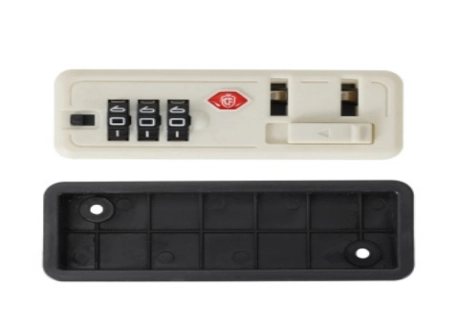
Security acts as another major selling point. A TSA combination lock for luggage gives tourists extra peace of mind. This matters deeply when checking bags for long international flights. Lock quality also affects online product photos for e-commerce sellers. It directly influences listing value and builds initial customer confidence.
Manufacturers must never ignore zippers and corner protection. Zippers handle constant pulling pressure every single day. Corner guards absorb heavy impacts during rough baggage transport. Accessory quality must match the shell’s overall strength and flexibility. This rule applies strongly to hard shell luggage, especially ABS, PC+ABS, and PP cases.
Buyers comparing abs or pp luggage better should not focus solely on the exterior plastic. ABS is widely used for budget-friendly hard cases. It remains highly common in ABS luggage wholesale markets. PP offers superior impact resistance and excellent bending flexibility. However, wheels, locks, handles, and internal frames matter greatly in both situations. These specific parts ultimately decide if the suitcase performs well during daily travel.
Size Questions That Help Buyers Build Better Product Pages
Travelers search size questions because airline rules and travel needs are confusing. If your product page answers these questions clearly, it can attract more organic traffic and reduce pre-sale hesitation. For B2B buyers, these questions also help decide which sizes to stock.
Pengteng offers multiple luggage sizes through our luggage product range, including common travel case sizes for short trips, business travel, and long-distance use.
What Size Is a Carry On Suitcase?
In many markets, a common carry-on suitcase is around 20 inches. Some 18 inch models also work well for short trips, children, or strict cabin limits. A 20 inch suitcase is often more practical for adults because it gives better space while staying easy to lift and move.
The exact answer depends on airline rules. That is why product listings should show outside dimensions, wheel height, handle position, and weight. A suitcase may be called 20 inch, but wheels and handles can affect total measured size.
Can a 24 In Suitcase Be a Carry On?
In most cases, a 24 inch suitcase is not accepted as a standard carry-on. It is usually treated as checked luggage. Some travelers still ask “can a 24 in suitcase be a carry on” because they want more space without paying checked bag fees.
For sellers, this keyword is valuable because it reveals buyer anxiety. A clear answer can guide shoppers to a 20 inch carry-on or a 24 inch checked case. It also helps reduce returns caused by wrong size expectations.
24 Inch Suitcase Weight, Capacity, and Use
A typical 24 inch suitcase is often used for medium trips of about 5 to 7 days, depending on packing habits. Its weight varies by material, wheel system, frame, and inner structure. Many 24 inch hard shell suitcases weigh around 3.5 to 4.5 kg, though exact weight depends on design.
This size works well for travelers who need more room than a carry-on but do not want a very large checked bag. For wholesalers, 24 inch luggage is a strong middle-size product because it balances capacity, shipping cost, and retail demand.
28 Inch vs 32 Inch Luggage: Bigger Cases Need Stronger Parts
Large luggage is useful for long trips, family travel, overseas study, relocation, and wholesale gift markets. But bigger cases also place more pressure on wheels, handles, zippers, locks, and corner structures. A weak wheel on a 20 inch case may be annoying. On a 32 inch case, it can become a serious product failure.
When comparing 28 inch vs 32 inch luggage, buyers should look beyond capacity. A 28 inch case is easier to handle and store. A 32 inch case gives more room but may exceed airline weight limits if fully packed. It also needs stronger accessories and better balance.
For large checked luggage, buyers should check:
-
Wheel base width and load capacity
-
Pull rod thickness and stability
-
Side handle strength
-
Shell flexibility under pressure
-
Lock placement and frame support
-
Corner protection against impact
These points matter for retailers, travel goods stores, and private label buyers who want fewer complaints after delivery.
ABS Luggage Wholesale and Accessory Matching
ABS luggage wholesale remains popular because ABS hard shell suitcases can offer a good mix of price, color options, and style. They are suitable for many retail channels, from online stores to supermarkets and promotional programs.
However, a low-cost shell should not be paired with weak parts. Buyers should ask whether the wheel system, pull rod, handle, and lock match the expected selling price and customer use. A better wheel or stronger handle can improve the perceived value of the whole suitcase.
Pengteng supports wholesale and customization needs through our service, including sample support, quality management, shipping support, and business-friendly purchasing options. For buyers developing private label luggage, we can discuss product structure, material selection, accessory matching, and practical production needs.
What B2B Buyers Should Ask Before Ordering Luggage Accessories
Bulk purchasing is not only about unit price. A low price may look attractive at first, but wrong parts can lead to delays, repairs, poor reviews, and lost customers. Buyers should ask practical questions before confirming an order.
Important questions include:
-
What suitcase sizes does this accessory fit?
-
Can the supplier provide samples before bulk production?
-
Is the part tested for repeated use?
-
Does the color match the suitcase body?
-
Can the part support custom logo or private label needs?
-
What is the normal sample lead time?
-
Can the supplier support long-term repeat orders?
-
Are replacement parts available for after-sales service?
For businesses that need ODM or OEM production, our ODM/OEM service helps buyers create luggage that fits their target market, price range, and brand direction. From ABS luggage wholesale to custom luggage manufacturer projects, the best result comes from matching shell, size, accessories, and packaging from the start.
Conclusion
Luggage accessories may look small, but they carry a large share of product value. Wheels decide movement. Handles decide comfort. Locks decide security. Pull rods decide control. Corner guards, zippers, and internal components decide how the suitcase survives real travel. As travelers ask more questions about what size is a carry on suitcase, 24 inch suitcase weight, 28 inch vs 32 inch luggage, and abs or pp luggage better, B2B buyers need clearer product planning. At Pengteng, we see luggage as a complete system, not a shell with parts attached. For wholesalers, importers, brand owners, and e-commerce sellers, better accessories can mean fewer returns, stronger reviews, and more stable repeat business.
FAQs
Q: What is a common 24 inch suitcase weight?
A: Most 24 inch suitcases weigh about 3.5-4.5 kg and hold around 60-75 L.
Q: Can a 24 in suitcase be a carry on?
A: Usually no. A 24 inch suitcase is normally checked luggage, about 60-75 L.
Q: What size is a carry on suitcase?
A: A common carry-on is 20 inch, around 35-45 L and about 2.5-3.5 kg.
 consult
 WHATSAPP
 leave message
 top
top